
Understanding 1++ Hanwoo: A Complete Guide to Korea’s Premium Beef
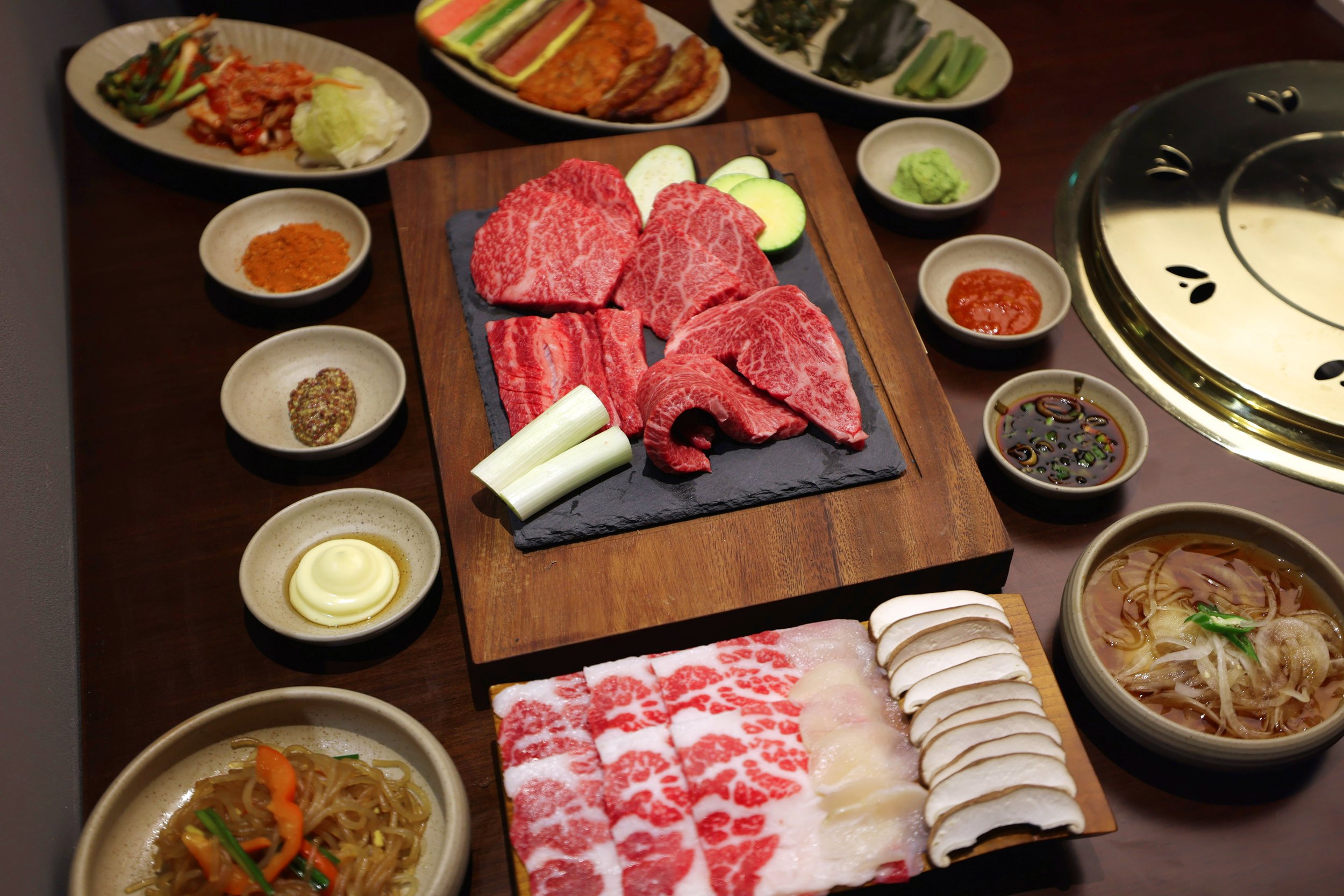
For anyone exploring premium Korean food, 1++ Hanwoo is a term that quickly begins to appear everywhere. It can be found on restaurant menus, at specialist Korean beef restaurants, on butcher displays, and in descriptions of some of Korea’s most highly regarded beef dishes. Yet for international visitors, the meaning behind the grade is not always immediately clear.
What exactly makes Hanwoo 1++? Does the grade simply mean that the beef contains more fat? What is the difference between 1++, 1+, and 1 grade Hanwoo? Why do some packages display 1++(7), 1++(8), or 1++(9)? Most importantly, does every cut of 1++ Hanwoo actually taste the same?
The short answer is no.
1++ is the highest quality grade in Korea’s beef quality grading system, but the classification represents much more than visible marbling alone. Korea’s grading standards also assess characteristics such as meat color, fat color, texture, and maturity, which means that the final grade reflects several aspects of beef quality rather than one visual characteristic. Korea also distinguishes between quality grading and yield grading, which serve different purposes.
Understanding these details makes it much easier to appreciate why one piece of premium Hanwoo can taste completely different from another, even when both carry the same 1++ grade.
This guide explains how the Korean beef grading system works, what 1++ actually tells you, why marbling scores matter, how different cuts express the qualities of premium Hanwoo, and what to look for when experiencing 1++ Korean beef for the first time.
What Is Hanwoo?
Hanwoo, 한우, refers to Korean native cattle and the beef produced from them. It occupies a distinctive place within Korean food culture and is fundamentally different from simply referring to any beef sold or consumed in Korea.
Hanwoo has long been associated with premium dining, family gatherings, gifts, celebrations, and meals where the quality of the ingredient itself is intended to be a central part of the experience. While imported beef is also widely consumed in Korea, Hanwoo has its own domestic grading, distribution, culinary traditions, and cultural identity.
One of the qualities most frequently associated with high-grade Hanwoo is its intramuscular fat, more commonly described as marbling. Instead of appearing only as larger pieces of external fat, marbling is distributed throughout the muscle in fine streaks and flecks. As the meat is heated, this fat begins to render and influences the tenderness, richness, aroma, juiciness, and overall mouthfeel of the beef.
However, an important distinction should be made from the beginning:
Hanwoo is not itself a quality grade.
Hanwoo identifies the Korean cattle and beef, while the grading system evaluates the quality of that beef. This means that not every piece of Hanwoo is 1++, just as not every cut taken from a 1++ carcass will provide exactly the same eating experience.
What Does 1++ Hanwoo Mean?
The designation 1++ is the highest quality grade used within Korea’s beef quality grading system.
Korean beef quality grades are arranged as:
1++ → 1+ → 1 → 2 → 3
with beef that does not satisfy the grading requirements classified separately.
When a restaurant therefore describes its beef as 1++ Hanwoo, the description communicates two separate pieces of information. “Hanwoo” identifies the beef as Korean Hanwoo, while “1++” indicates that the beef has received the highest official quality grade.
This is important because terms such as “premium,” “luxury,” or “high-end” can be used relatively freely in marketing. The 1++ designation, by contrast, belongs to an established Korean beef grading system.
How Is 1++ Hanwoo Evaluated?
A common misconception is that graders simply look at the amount of white marbling visible inside a piece of beef and assign the grade accordingly.
Marbling is certainly important, but it is not the only consideration.
Korea’s beef quality evaluation takes several characteristics into account, including marbling, meat color, fat color, texture, and maturity. The grading system was revised in 2019 partly to reduce the previous emphasis on marbling alone and to strengthen the importance of the other quality characteristics.
This means that highly marbled beef does not automatically receive the highest final grade regardless of its other qualities.
For diners, this distinction matters because 1++ should be understood as a broader quality classification rather than simply meaning “the beef with the most fat.”
Quality Grade vs. Yield Grade: What Is the Difference?
Another source of confusion is the presence of both numbers and letters in Korean beef grading.
The quality grade and the yield grade describe different aspects of the carcass and should not be interpreted as a single ranking system.
Quality Grade
The quality grade is the part most relevant to consumers trying to understand premium beef. It includes:
1++
1+
1
2
3
This grading focuses on characteristics related to meat quality, including marbling and other sensory or visual factors used in the official assessment.
Yield Grade
Yield grading, commonly expressed using A, B, and C, concerns how much usable meat is expected from the carcass. It is therefore measuring something fundamentally different from the eating-quality characteristics represented by the 1++ to 3 system.
An “A” should consequently not be interpreted as being superior to “1++.” They are separate classifications designed to communicate different information.
For a diner researching premium Korean beef, the quality grade—and particularly the distinction between 1++, 1+, and 1—is normally the more relevant part of the label.
Is 1++ the Highest Hanwoo Grade?
Yes. 1++ is Korea’s highest beef quality grade.
However, understanding 1++ properly requires going one level deeper because not every piece of 1++ beef has exactly the same marbling level.
Since the revised beef grading standards took effect in December 2019, the 1++ category has included marbling scores 7, 8, and 9. Korea also requires the specific marbling number to be shown with the 1++ designation so that consumers can distinguish between the different levels within the same quality grade.
As a result, you may encounter labels such as:
1++(7)
1++(8)
1++(9)
All three are 1++ beef, but they are not identical in terms of marbling.
Understanding 1++(7), 1++(8), and 1++(9)
The number shown after 1++ provides additional information about the degree of intramuscular fat.
What Is 1++(7) Hanwoo?
1++(7) sits at the beginning of the current 1++ marbling range. It can still display substantial intramuscular fat and qualify for Korea’s highest quality grade, while potentially providing a different balance between richness and lean beef character than cuts at the highest end of the marbling scale.
For diners who enjoy premium marbling but do not necessarily want the richest possible mouthfeel, this type of balance can be particularly appealing.
What Is 1++(8) Hanwoo?
1++(8) represents a higher level of marbling within the 1++ category. Depending on the cut, this can translate into a softer texture and richer mouthfeel as more intramuscular fat renders during grilling.
The actual dining experience will still depend heavily on where the cut comes from, its thickness, and how it is cooked.
What Is 1++(9) Hanwoo?
1++(9) represents the highest marbling score within Korea’s current 1++ classification. It can display extensive intramuscular fat and may produce an exceptionally rich and tender eating experience when handled properly.
However, a higher marbling score should not be interpreted as meaning that every diner will automatically prefer that beef. Preference for richness, lean meat, texture, and intensity varies significantly from person to person.
The official grading revisions deliberately retained the distinction between scores 7, 8, and 9 within the 1++ category so that consumers could see the difference rather than treating all 1++ beef as identical.
Why Does Marbling Matter in 1++ Hanwoo?
Marbling is one of the defining visual characteristics of premium Korean beef, but its importance extends far beyond appearance.
When intramuscular fat is distributed through the muscle, it begins to melt as the meat is heated. This process influences several sensory characteristics simultaneously.
The rendered fat can contribute to a softer and more succulent mouthfeel, while also carrying aromatic compounds that intensify the smell and flavor of grilled beef. Fine marbling can also change how long the flavor remains on the palate, creating the richness many diners associate with premium Hanwoo.
This is why high-quality Hanwoo often requires relatively little seasoning. When the quality and marbling of the beef are intended to be the focus, aggressive marinades or heavy sauces can easily overpower the characteristics the diner is trying to appreciate.
That does not mean 1++ Hanwoo should always be eaten plain. Instead, tasting at least the first piece with minimal seasoning provides a useful baseline before introducing salt, Korean sauces, garlic, fermented accompaniments, or other flavors.
Does More Marbling Always Mean Better Hanwoo?
Not necessarily, and this is one of the most important ideas to understand when learning about premium Hanwoo.
Marbling influences quality and contributes heavily to the characteristic richness of high-grade Korean beef, but more marbling does not automatically mean that every diner will enjoy the beef more.
Some people strongly prefer beef with abundant intramuscular fat because they value tenderness and a buttery texture. Other diners prefer a clearer balance between lean muscle and fat because they enjoy stronger beef flavor and a slightly firmer bite.
The individual cut also changes the experience dramatically.
A tenderloin and a ribeye may both carry the same quality grade and marbling score, but their muscle structure and natural fat distribution mean they will still taste and feel different.
For this reason, the better question is not simply:
“Which Hanwoo has the most marbling?”
It is:
“Which combination of grade, marbling, cut, and texture best matches the experience I want?”
1++ Hanwoo Is About More Than Marbling
The strong visual appeal of marbled beef can make it easy to assume that 1++ is primarily a measurement of fat.
Korea’s current system is more comprehensive.
The grading reforms introduced in 2019 specifically strengthened the role of other quality characteristics, including meat color, fat color, and texture. Under the revised framework, beef with strong marbling can still receive a lower final grade when other assessed characteristics do not meet the corresponding standard.
This broader approach helps explain why the 1++ designation should be treated as a quality classification rather than a simple marbling contest.
Once that beef reaches a restaurant, additional factors become important as well. Storage, temperature control, trimming, slicing, portioning, handling, and grilling all influence what the diner eventually experiences.
The grade establishes the quality of the raw product, but good preparation is still necessary to preserve that quality at the table.
What Does 1++ Hanwoo Taste Like?
There is no single flavor or texture that accurately describes every cut of 1++ Hanwoo.
Premium Hanwoo is commonly associated with rich beef flavor, fine marbling, tenderness, juiciness, and a smooth mouthfeel. However, the balance between those qualities changes considerably from cut to cut.
A richly marbled piece may begin to soften almost immediately over the grill as its intramuscular fat renders. Another cut with a firmer muscle structure may provide a stronger bite and deeper beef character even though it comes from the same quality grade.
This is precisely why a multi-cut Korean BBQ meal can be one of the most useful ways to understand premium Hanwoo. Instead of repeatedly eating one type of meat, diners can compare how different muscles express the same high-quality beef in different ways.
How Different Cuts Express 1++ Hanwoo
The quality grade provides important information, but the cut determines how that quality is experienced.
At Hanwoojeong in Myeongdong, the current premium 1++ Hanwoo selection includes ribeye, tenderloin, top blade, short rib, short plate, chuck flap tail, and ribeye cap. This range offers a useful example of how one quality grade can produce substantially different textures, richness, and flavor profiles.
Ribeye: A Balance of Marbling and Beef Flavor
Ribeye is one of the most familiar premium beef cuts because it tends to combine marbling, tenderness, and substantial beef flavor within the same piece.
In high-grade Hanwoo, the intramuscular fat melts readily during grilling, enriching the meat without completely removing the character of the muscle itself. This balance makes ribeye an approachable starting point for someone trying 1++ Hanwoo for the first time.
Tenderloin: Premium Beef Does Not Have to Be Extremely Fatty
Tenderloin demonstrates why Hanwoo quality cannot be reduced to visible marbling alone.
Its reputation comes primarily from tenderness rather than extreme richness. A premium Hanwoo tenderloin may therefore feel more delicate and clean than heavily marbled cuts while still offering the texture associated with high-quality beef.
For anyone who assumes 1++ Hanwoo must always be intensely fatty, tenderloin provides an important counterexample.
Top Blade: More Structure and Beef Character
Top blade offers more noticeable structure than some of the softest premium cuts and can provide a satisfying balance between tenderness and a more substantial bite.
When served alongside richer pieces, it helps highlight how muscle structure changes the overall Hanwoo experience.
Short Rib: A Classic Cut for Korean BBQ
Short rib has an especially strong connection with Korean beef cuisine.
The combination of meat, fat, and texture makes it naturally well suited to grilling, while browning over direct heat develops a concentrated savory aroma.
Premium unmarinated short rib also allows diners to experience the natural character of the beef before comparing it with Korea’s familiar marinated galbi preparations.
Short Plate: Richness With More Texture
Short plate can combine generous beef flavor with richness and a slightly more substantial texture.
It therefore provides another useful contrast within a multi-cut Hanwoo tasting, particularly after softer cuts.
Chuck Flap Tail: Rich Marbling and Tenderness
Chuck flap tail, known as 살치살 in Korean, is particularly well known for attractive marbling and tenderness.
When premium Hanwoo marbling is what a diner wants to experience most clearly, chuck flap tail can demonstrate how fine intramuscular fat affects texture as it melts over the grill.
Ribeye Cap: Concentrated Richness
Ribeye cap, or 새우살, is valued for a combination of tenderness, marbling, and concentrated flavor.
Because it can be particularly rich, smaller portions allow the diner to appreciate its characteristics without overwhelming more delicate cuts served during the same meal.
Hanwoojeong currently combines several of these cuts in 400g, 500g, and 600g 1++ Hanwoo sets, while the premium cuts are also available individually in 100g portions. The purpose of mentioning these sets here is not simply to describe a menu; they illustrate a practical way of experiencing how several cuts within the same premium quality category can taste remarkably different.
Is Every 1++ Hanwoo Cut Equally Rich?
No.
A quality grade applies to the evaluated beef, but anatomical differences remain.
Different muscles naturally contain different amounts and distributions of intramuscular and external fat. They are also used differently by the animal, which influences tenderness, fiber structure, and chew.
This is why a diner should not expect ribeye, tenderloin, top blade, short rib, and ribeye cap to provide the same sensory experience simply because all of them are sold as 1++ Hanwoo.
Understanding this distinction also makes premium Korean BBQ more interesting. Instead of viewing the meal as a sequence of similar pieces of expensive beef, diners can begin to recognize the purpose of each cut and how fat distribution interacts with muscle texture.
How Should 1++ Hanwoo Be Grilled?
Premium Hanwoo generally benefits from relatively simple cooking because the quality of the beef is already providing much of the flavor.
Highly marbled pieces can render quickly over strong heat, which means prolonged cooking may cause a significant amount of the fat to leave the meat before it reaches the table. At the same time, insufficient heat can prevent the exterior from developing the browned aromas that make grilled beef particularly appealing.
The ideal approach therefore depends on the cut and thickness rather than following one fixed cooking time.
Richer, Highly Marbled Cuts
Cuts with substantial marbling often benefit from relatively quick grilling. The goal is to develop browning on the exterior while retaining enough rendered fat inside the meat to preserve its characteristic tenderness.
Leaner or More Delicate Cuts
Tenderloin and other comparatively lean pieces can behave differently. Because their appeal is not based entirely on abundant intramuscular fat, overcooking may affect tenderness more noticeably.
Thin Cuts
Thinly sliced beef cooks extremely quickly and should not be treated in the same way as a thick ribeye or short rib.
The broader lesson is simple: the 1++ grade tells you about quality, but the cut determines how the beef should be cooked.
How to Taste 1++ Hanwoo for the First Time
A first Hanwoo tasting does not require elaborate rules, but approaching the meal deliberately can make the differences between cuts much easier to understand.
Begin With the Natural Flavor
Taste at least one piece with little more than salt before using stronger sauces. This gives you a reference point for the flavor of the beef itself.
Compare Texture as Well as Marbling
Rather than looking only at which piece appears fattest, notice how easily each cut breaks down while chewing, how much resistance it provides, and how the texture changes as the fat renders.
Progress From Balanced to Richer Cuts
When several cuts are served, moving gradually toward richer pieces can help preserve the differences between them. Beginning with the most intense cut may make subtler beef seem comparatively mild afterward.
Use Accompaniments to Reset the Palate
Korean BBQ is designed around contrast. Vegetables, kimchi, sauces, rice, soups, and noodles can refresh the palate between richer pieces instead of simply adding more flavor to every bite.
Hanwoojeong’s current menu, for example, pairs its premium Hanwoo selection with dishes such as brisket soybean stew, cold noodles, Hanwoo brisket ramen, rice dishes, and Korean beef specialties. These accompaniments show how premium Hanwoo can form the center of a broader Korean meal rather than being consumed entirely on its own.
Is Hanwoo the Same as Wagyu?
No. Hanwoo and Wagyu are different.
Hanwoo refers to Korean native cattle, while Wagyu refers to Japanese cattle breeds. Both have international reputations for premium beef and can exhibit significant marbling, which explains why travelers frequently compare them.
However, the similarities should not erase their differences.
They originate from different cattle populations, are raised within different national production systems, use different grading frameworks, and belong to different culinary traditions.
Describing Hanwoo simply as “Korean Wagyu” may help someone unfamiliar with Korean beef form a rough initial comparison, but it is not an accurate definition.
Hanwoo should be understood as a premium beef tradition in its own right.
For a detailed comparison of the two, link internally to Hanwoo vs Wagyu: What’s the Difference?
Why Is 1++ Hanwoo Expensive?
The price of premium Hanwoo cannot be explained by the grade alone.
Several factors affect what diners ultimately pay, including the quality grade, individual cut, availability, sourcing, processing, portion size, restaurant service, and the overall dining format.
Cuts with limited yield from each animal may command significantly different prices even when they carry the same quality grade.
That is why two portions of 1++ Hanwoo should not automatically be expected to cost the same.
When comparing premium Hanwoo, it is more useful to consider:
whether the beef is actually Hanwoo;
the quality grade;
the specific cut;
the weight of the serving;
the marbling score where available;
and how the beef is prepared and served.
This provides substantially more information than simply comparing the phrase “premium beef” across different menus.
How Can You Tell What You Are Ordering at a Hanwoo Restaurant?
A restaurant specializing in premium Korean beef should ideally provide enough information for the diner to understand what is being served.
Look for the Hanwoo designation, quality grade, cut name, and portion size rather than relying entirely on generic phrases such as “premium beef.”
For visitors who are unfamiliar with Korean cut names, restaurants that provide Korean and English names together can make the experience significantly easier to understand.
Hanwoojeong’s current 1++ menu, for example, identifies seven individual cuts and serves them in standardized 100g portions unless otherwise noted, while its Hanwoo sets list the individual cuts included in each selection.
Transparency matters because diners should be able to understand the difference between what they are ordering rather than treating every premium cut as interchangeable.
Why Try Several Cuts Instead of Only One?
The most useful way to understand 1++ Hanwoo is often through comparison.
Eating only one cut can demonstrate the quality of that particular piece, but eating several allows you to distinguish how muscle structure, marbling, and tenderness interact.
One cut may emphasize beef flavor.
Another may emphasize softness.
A third may feel significantly richer because of its marbling.
A fourth may offer more chew and texture.
This comparison helps explain why premium Hanwoo dining is about more than chasing the highest possible grade. Once the grade reaches 1++, understanding individual cuts becomes just as important.
Understanding 1++ Hanwoo at Hanwoojeong
At Hanwoojeong in Myeongdong, Seoul, the menu is centered on premium 1++ Korean Hanwoo and is structured to allow diners to explore multiple cuts rather than presenting Hanwoo as one uniform type of beef.
The current premium selection includes ribeye, tenderloin, top blade, short rib, short plate, chuck flap tail, and ribeye cap, alongside curated 400g, 500g, and 600g Hanwoo sets. The menu also includes Korean beef preparations such as Hanwoo yukhoe, beef sashimi, and dishes designed to accompany a Hanwoo Korean BBQ meal.
That approach reflects the central point of this guide: understanding 1++ Hanwoo requires looking beyond the grade itself.
The grade establishes a level of quality. Marbling helps explain richness and texture. The cut determines how those qualities are expressed. Preparation determines whether those characteristics are preserved when the meat reaches the table.
Together, these elements form the complete Hanwoo experience.
-
1++ Hanwoo is Korean Hanwoo beef that has received the highest quality grade in Korea’s beef grading system. The assessment considers marbling as well as characteristics including meat color, fat color, texture, and maturity. 1++ beef may carry marbling scores 7, 8, or 9 under the current grading standards.
-
Yes. The quality-grade scale places 1++ above 1+, 1, 2, and 3, making it the highest Korean beef quality grade.
-
The designation 1++(9) means the beef has received a 1++ quality grade and a marbling score of 9. The current 1++ category includes marbling scores 7, 8, and 9.
-
All three fall within the same 1++ quality category, but the number indicates the marbling score. A higher number represents a higher level of intramuscular fat within the 1++ range. The eating experience can still vary considerably depending on the cut and preparation.
-
No. Hanwoo identifies Korean native cattle and the beef produced from them. Hanwoo can receive several different quality grades, meaning Hanwoo and 1++ Hanwoo are not interchangeable terms.
-
Some 1++ cuts can be highly marbled, especially those with higher marbling scores, but richness also depends heavily on the individual cut. Tenderloin, ribeye, short rib, and ribeye cap can all express the 1++ grade differently.
-
More marbling can increase richness, tenderness, and mouthfeel, but personal preference matters. Some diners prefer intensely marbled beef while others prefer a stronger balance between fat and lean beef flavor. Korea’s quality grading also evaluates characteristics beyond marbling.
-
No. Hanwoo refers to Korean native cattle, while Wagyu refers to Japanese cattle breeds. Both can produce premium marbled beef, but they have different genetics, grading systems, production traditions, and culinary contexts.
-
Ribeye, tenderloin, short rib, top blade, short plate, chuck flap tail, and ribeye cap can all provide distinct Hanwoo experiences. Rather than looking for one universally “best” cut, trying several allows you to compare tenderness, marbling, richness, and beef flavor.
-
Begin with minimal seasoning so you can taste the natural character of the beef, compare several cuts when possible, and use Korean accompaniments between richer pieces. The ideal grilling technique should also be adjusted according to the cut and thickness.
-
Premium Hanwoo restaurants can be found throughout Seoul. Hanwoojeong in Myeongdong specializes in premium 1++ Korean Hanwoo and currently serves individual cuts as well as multi-cut Hanwoo sets for diners who want to compare different textures and levels of richness.
Understanding 1++ Hanwoo Goes Beyond the Grade
The 1++ designation is an important starting point for understanding premium Korean beef, but it should not be treated as the entire story.
A quality grade can tell you where the beef sits within Korea’s grading framework, and a marbling score can provide additional information about intramuscular fat. Neither one, however, completely predicts what a particular piece of Hanwoo will taste like.
The cut still matters.
So does the muscle structure, balance between lean meat and fat, thickness, handling, preparation, and grilling.
That is what makes 1++ Hanwoo more interesting than simply searching for the piece with the most visible marbling. The experience becomes clearer when several cuts are compared and the differences between richness, tenderness, texture, and beef flavor are allowed to emerge.
For diners exploring premium Korean beef for the first time, understanding these distinctions makes the grade more meaningful. Instead of seeing “1++” only as a luxury label, you can understand what the designation represents and how it translates differently from one cut to another.
At Hanwoojeong, that same philosophy is reflected in a 1++ Hanwoo menu built around multiple premium cuts rather than a single style of beef.
The grade tells you the quality. The cut tells you the experience.
VISIT HANWOOJEONG
Address: Myeongdong 3-gil 44 3rd Floor
Nearest Subway Station:
Euljiro-1-ga Station (Line 2) Exit 5, 1-minute walk
Myeongdong Station (Line 4) Exit 6, 10-minutes walk
Follow us on Instagram : @hanwoojeong
