
Hanwoo Cuts Explained: Ribeye, Ribeye Cap, Chuck Flap Tail & Short Rib — Which Should You Order?
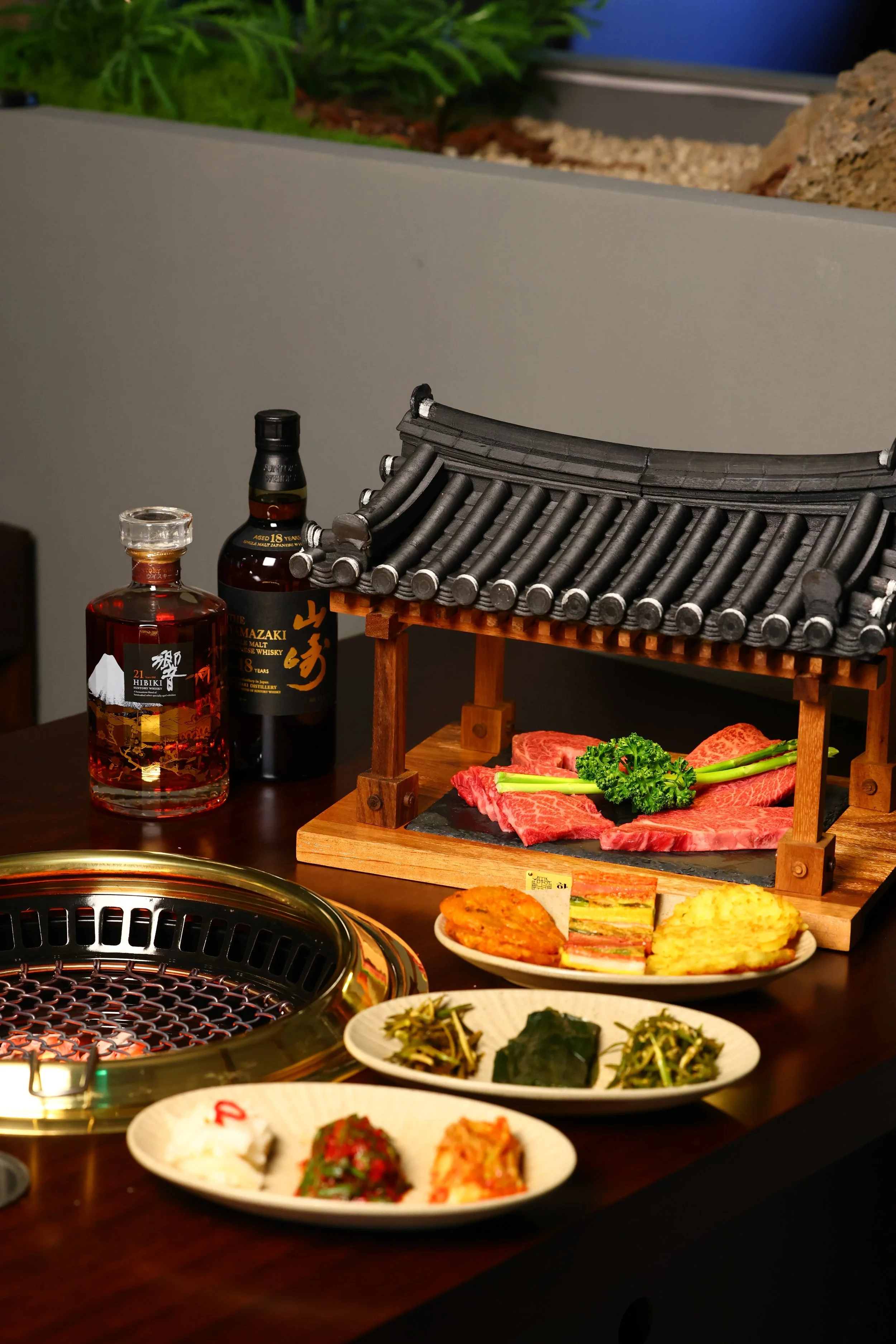
When people first encounter Hanwoo, much of the attention naturally falls on its grading. Terms such as 1++, 1+, marbling score and Korean beef quality standards tend to dominate conversations about premium Korean beef, particularly among international visitors who are discovering Hanwoo for the first time. Grade is certainly important, but it is only one part of the experience. To understand why a Hanwoo meal can feel so varied and nuanced, it is equally important to understand the individual cuts being served.
Two pieces of beef from the same 1++ Hanwoo animal can offer remarkably different experiences. One may be exceptionally tender and delicately marbled, while another may have a deeper beef flavor, firmer texture and a more pronounced structure. The amount and distribution of fat differ from muscle to muscle, as does the way each cut responds to heat. As a result, choosing Hanwoo is not simply a matter of selecting the highest grade. The cut itself plays a fundamental role in determining the flavor, texture and overall character of the meat.
At Hanwoojeong in Myeongdong, this distinction shapes the way we approach premium Korean beef. Rather than serving one cut in isolation, our Hanwoo selections are designed to allow guests to experience several expressions of 1++ Hanwoo within the same meal. Ribeye, ribeye cap, chuck flap tail and short rib each offer their own relationship between marbling, tenderness and beef flavor, creating a progression that reveals how varied premium Hanwoo can be.
For guests who are completely new to Korean beef, we recommend beginning with our guide to what Hanwoo is, which explains the history, identity and characteristics of Korea’s native cattle before exploring the individual cuts in more detail.
Why the Cut Matters as Much as the Hanwoo Grade
Hanwoo is Korea’s native cattle breed and has become one of the country’s most highly regarded food products. Premium Hanwoo is valued for its fine intramuscular marbling, tenderness, clean richness and distinctive beef flavor, but these characteristics are not expressed in exactly the same way across every part of the animal.
Korea’s official beef grading system evaluates quality on a scale from 1++ through 1+, 1, 2 and 3, with 1++ representing the highest quality category. Marbling is an important component of this assessment, but it is considered together with meat color, fat color, texture and maturity. This means that the 1++ label tells diners that the beef has achieved a particularly high level of quality within the Korean grading system, but it does not mean that every cut from that animal will taste or feel identical.
Each muscle performs a different function within the animal, and these differences influence the texture of the meat. Muscles that are used less intensively tend to be softer and more tender, while more active areas often develop a stronger structure and more pronounced beef flavor. Fat distribution also varies naturally across the carcass. Certain cuts develop dense, finely dispersed intramuscular fat, while others offer a more balanced ratio between lean meat and marbling.
This is why experienced Korean beef diners often pay as much attention to the name of the cut as they do to the grade. A piece of 1++ ribeye and a piece of 1++ short rib may both come from premium Hanwoo, yet the sensations they create on the palate can be entirely different.
For readers who would like a deeper explanation of Korea’s grading system, marbling standards and what 1++ actually represents, our complete guide to 1++ Hanwoo provides a more detailed introduction.
The Premium Hanwoo Cuts Served at Hanwoojeong
At Hanwoojeong, our premium Hanwoo set brings together four cuts that each represent a different aspect of Korean beef: ribeye, ribeye cap, chuck flap tail and short rib. The purpose is not simply to present several pieces of highly marbled beef on the same plate. Each cut has been selected because it provides a different balance of tenderness, richness, texture and flavor, allowing guests to appreciate how much variation exists within one quality grade.
This contrast is one of the most interesting parts of a premium Hanwoo meal. Ribeye offers balance and familiarity, ribeye cap emphasizes richness and softness, chuck flap tail introduces a cut particularly appreciated in Korean beef culture, and short rib provides a more substantial texture with deeper beef character. Tasted together, these cuts create a much more complete understanding of Hanwoo than a single steak could provide.
Hanwoo Ribeye: A Balanced Introduction to Premium Korean Beef
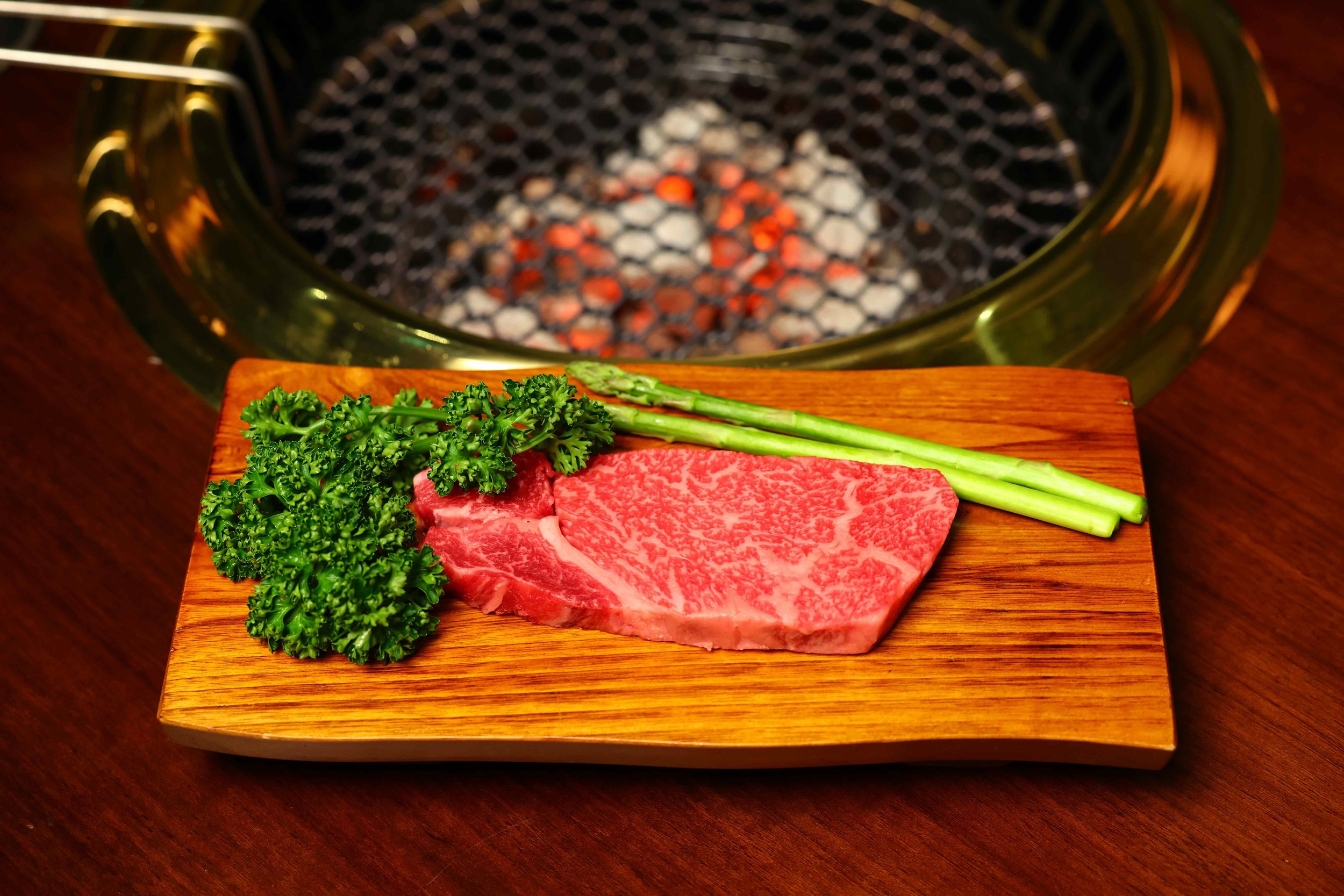
Ribeye is one of the most widely recognized premium beef cuts in the world, which makes it an excellent starting point for diners tasting Hanwoo for the first time. Its appeal comes from balance. A well-marbled Hanwoo ribeye combines tenderness, juiciness, richness and clear beef flavor without allowing any single characteristic to overwhelm the others.
In high-grade Hanwoo, fine intramuscular fat runs throughout the muscle and begins to soften quickly once the meat meets the grill. This melting fat contributes to tenderness and moisture while carrying the aromas created during cooking. At the same time, the underlying muscle retains enough structure to preserve the identity of the beef, producing a mouthfeel that is rich without becoming excessively heavy.
This balance is particularly useful for international guests who are familiar with premium steak but unfamiliar with Korean beef. Because ribeye is already a recognizable cut, it allows diners to focus on the characteristics that make Hanwoo distinctive rather than having to understand an entirely unfamiliar piece of meat at the same time.
The flavor of Hanwoo ribeye is typically rounded and savory, with the marbling contributing a soft richness that develops gradually rather than immediately dominating the palate. When cooked carefully, the exterior develops a light caramelization while the interior remains juicy, allowing the contrast between browned surface and tender center to become part of the experience.
For this reason, ribeye is one of the most approachable ways to begin a premium Hanwoo Korean BBQ experience, particularly for diners who want to understand the relationship between marbling and beef flavor without starting with the richest cut on the plate.
Hanwoo Ribeye Cap: Richness, Tenderness and Fine Marbling
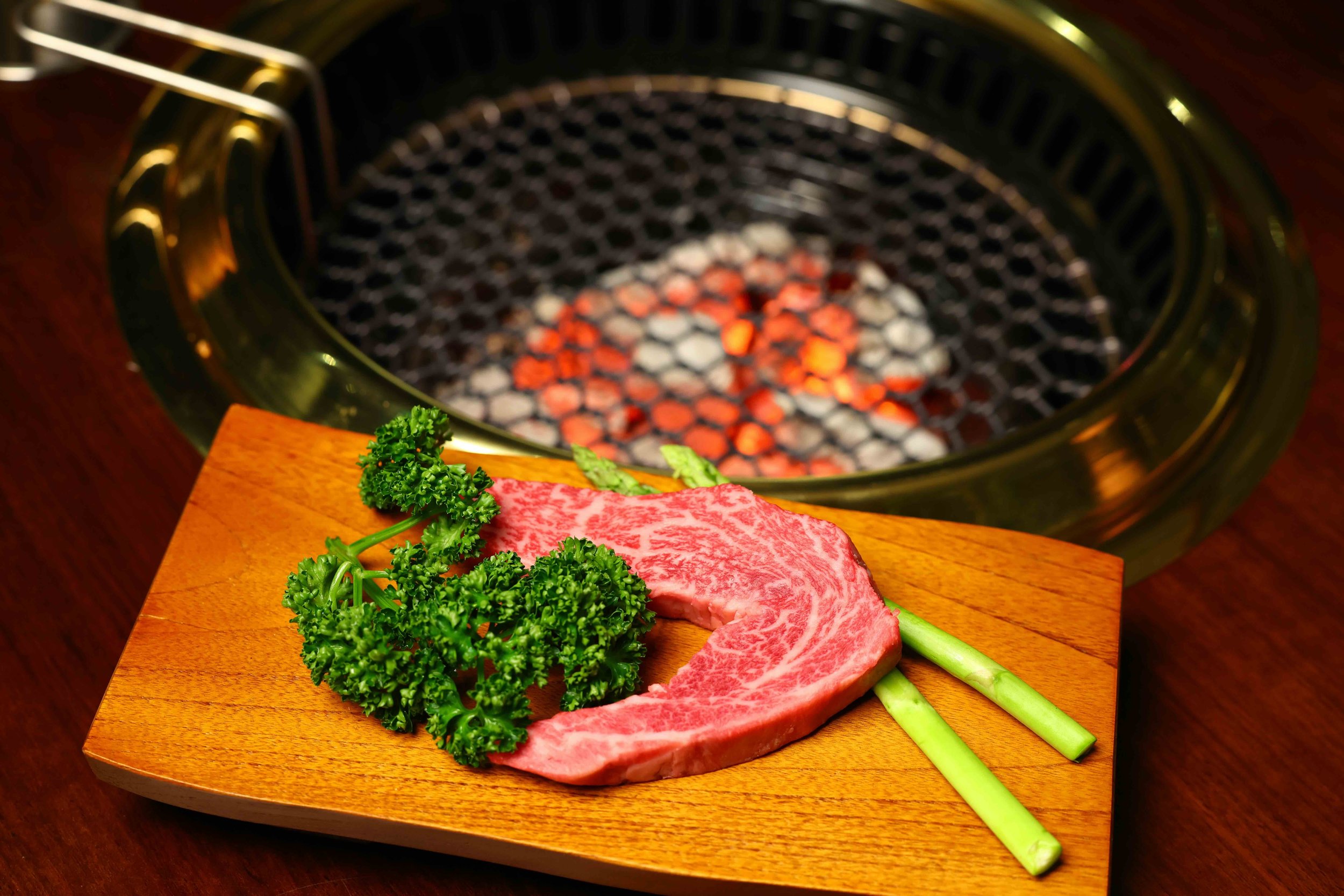
The ribeye cap sits around the outer portion of the ribeye and is often regarded as one of the most desirable sections of the entire rib area. Although it comes from the same general part of the animal, its character can be noticeably different from the central ribeye.
Ribeye cap is usually distinguished by particularly fine marbling, a soft muscle structure and a luxurious mouthfeel. When exposed to heat, the fat dispersed throughout the muscle melts rapidly, creating a texture that can feel almost effortless to chew. The richness is more concentrated than in the central ribeye, and even relatively small portions can leave a lasting impression.
Tasting ribeye and ribeye cap side by side is one of the easiest ways to understand why individual cuts matter. The ribeye tends to feel more balanced and structured, while the ribeye cap moves further toward tenderness and richness. The difference is not simply visual; it becomes obvious in the way the meat behaves in the mouth, how quickly the fat melts and how the flavor develops after each bite.
For diners who particularly enjoy highly marbled beef, ribeye cap is often one of the most memorable cuts of the meal. Its combination of softness and richness appeals to guests who enjoy premium beef with a delicate texture and a pronounced sense of luxury.
It can also be an interesting reference point for diners who are familiar with Japanese premium beef. Hanwoo and Wagyu should not be treated as interchangeable products, but comparing the way marbling expresses itself in each can be educational. Our Hanwoo vs Wagyu guide explores the differences between the two traditions in greater detail, including their grading systems, marbling, texture and dining culture.
Hanwoo Chuck Flap Tail: Understanding Salchisal
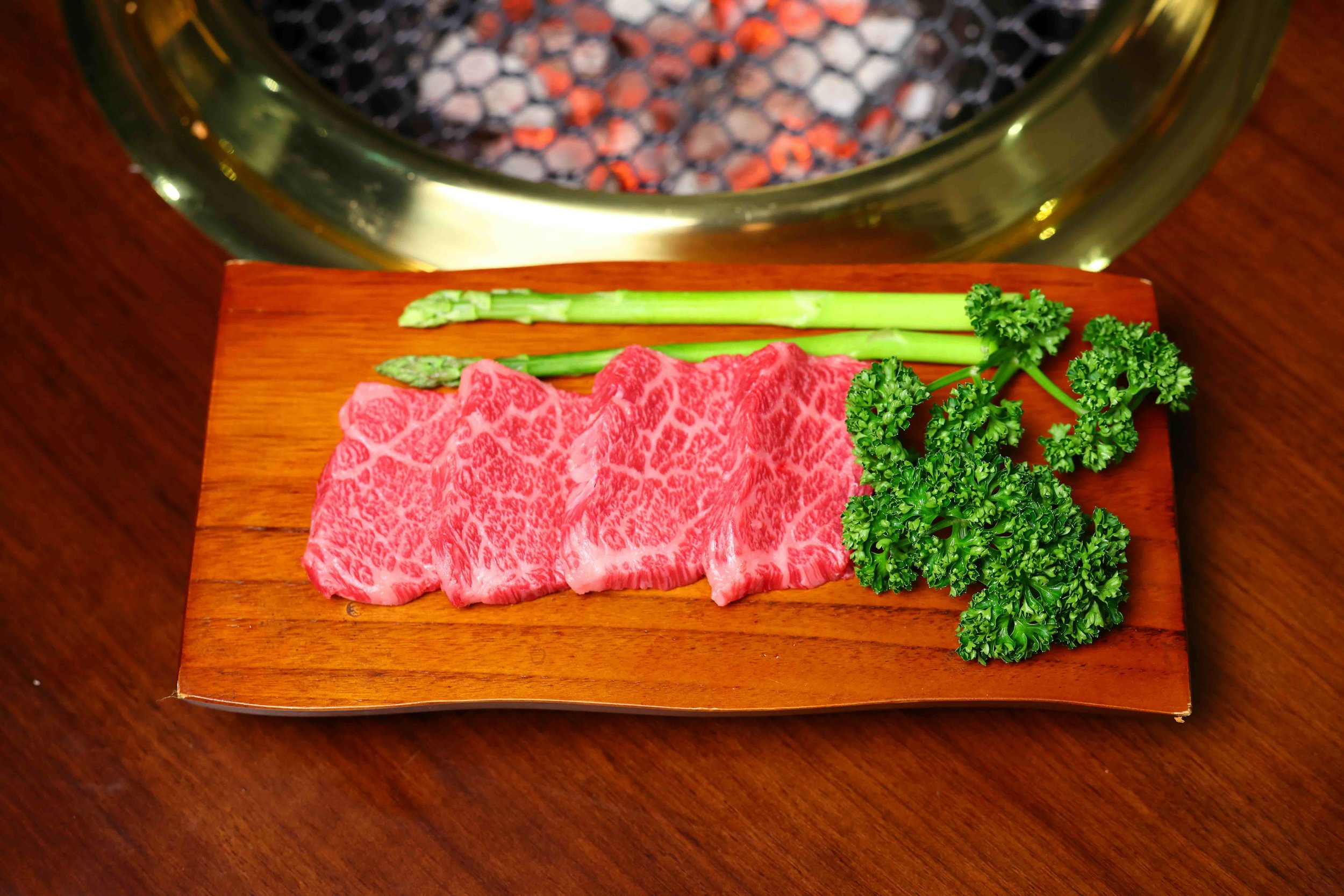
Among the cuts that international guests may encounter for the first time in Korea, chuck flap tail is one of the most interesting. In Korean, it is widely known as 살치살, or salchisal, and it occupies a particularly respected place within Korean beef culture.
Salchisal is known for its attractive marbling, tenderness and deep beef flavor. Visually, premium examples can display striking white intramuscular fat woven through the muscle, making it one of the more immediately impressive cuts on a Hanwoo platter. Yet its appeal goes beyond appearance. The cut offers a distinctive combination of softness and structure, allowing the diner to experience both the richness of the fat and the character of the meat itself.
When grilled, the marbling begins to melt into the muscle while the surface develops a lightly browned crust. The contrast between the exterior and interior can be especially satisfying when the meat is cooked carefully, as the cut retains enough texture to feel substantial without becoming tough.
For international visitors, salchisal is also valuable because it introduces a cut that has particular relevance within Korean dining culture. Many guests arrive already familiar with ribeye or short rib, but salchisal may be completely new. Trying it in Korea offers an opportunity to move beyond the cuts commonly encountered in Western steak culture and discover something that Korean beef enthusiasts specifically seek out.
At Hanwoojeong, chuck flap tail is included in our premium selection because it contributes a character that neither ribeye nor ribeye cap can fully replicate. It is richly marbled, but it also retains a distinct sense of beef flavor, making it especially appealing to diners who want something luxurious without sacrificing the identity of the meat.
For travelers hoping to experience more than generic barbecue during their time in Korea, salchisal is one of the cuts that makes premium Korean beef in Seoul particularly worth exploring.
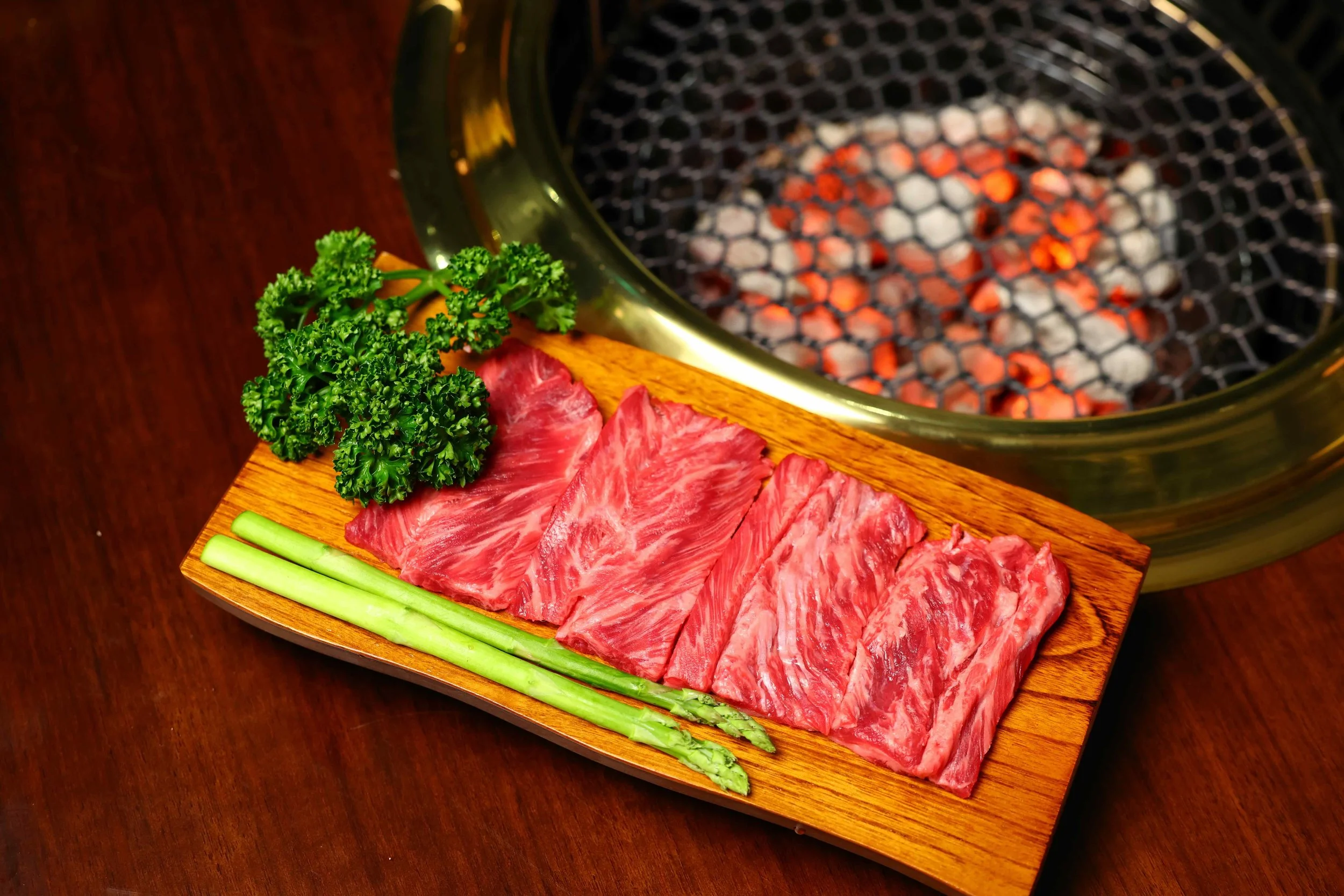
Hanwoo Short Rib: Deeper Beef Flavor & a Substantial Texture
Short rib occupies a familiar place in Korean food culture, largely because of its connection with galbi. However, the idea of Korean short rib extends far beyond sweet soy-based marinades. When the beef itself is of sufficiently high quality, short rib can be appreciated with very little seasoning, allowing the natural character of the meat to remain central.
Compared with extremely soft cuts such as ribeye cap, short rib usually has a more noticeable structure. This does not make it inferior; in fact, the additional texture is an important part of its appeal. Premium beef is not defined by softness alone. A cut can be tender while still providing a satisfying chew, and short rib demonstrates this particularly well.
The flavor is often deeper and more pronounced, with a strong savory quality that becomes especially noticeable after the richer and softer cuts have already been tasted. The marbling contributes juiciness, while the muscle structure gives the beef greater presence on the palate.
This is also where the distinction between fresh premium Hanwoo short rib and marinated galbi becomes important. Marinated galbi is designed around the interaction between meat and seasoning, often incorporating soy sauce, sugar, garlic and other ingredients. Fresh 1++ Hanwoo short rib, by contrast, can be enjoyed with minimal seasoning so that diners can appreciate the beef itself before introducing stronger flavors.
Neither approach is inherently superior, but they offer fundamentally different experiences. For guests who want to understand the natural flavor of Hanwoo, tasting the meat first without heavy seasoning provides a clearer point of reference.
Which Hanwoo Cut Is Best?
The question of which Hanwoo cut is best is understandable, but there is no universal answer. The right cut depends on what the individual diner values most in premium beef.
Ribeye is an excellent choice for guests who want balance. It combines marbling, tenderness and recognizable beef flavor in a way that is approachable even for someone tasting Hanwoo for the first time. Ribeye cap, by comparison, places greater emphasis on softness and richness, making it particularly appealing to those who enjoy heavily marbled beef.
Chuck flap tail offers a different kind of experience. It provides luxurious marbling while retaining enough structure and beef character to prevent the fat from becoming the entire focus of the bite. For diners interested in cuts that hold a particularly important place in Korean beef culture, salchisal is especially worthwhile.
Short rib is ideal for guests who prefer a deeper beef flavor and a more substantial texture. It is still tender when properly prepared, but it does not aim for the almost weightless softness associated with the richest cuts.
Rather than searching for one universally superior piece of beef, the more rewarding approach is to consider which qualities matter most to you and then taste several cuts side by side. The differences become much clearer when experienced directly.
What Order Should You Eat Hanwoo Cuts In?
When several Hanwoo cuts are served during the same meal, the order in which they are eaten can influence how clearly their individual characteristics are perceived. There is no rigid rule that must be followed, but a gradual progression generally creates the most balanced tasting experience.
Beginning with a cut that offers a relatively balanced relationship between marbling and beef flavor allows the palate to establish a reference point. From there, richer or more intensely marbled cuts can be introduced gradually. If the first bite of the meal is extremely fatty or covered in strong sauce, more delicate flavors may become difficult to appreciate afterward.
For this reason, we recommend tasting the first bite of each cut with minimal seasoning. A small amount of salt may be enough. Once the natural flavor and texture have been understood, sauces and Korean accompaniments can be added according to personal preference.
The intention is not to make Korean barbecue overly formal or complicated. It is simply to allow the differences between premium cuts to remain noticeable throughout the meal.
For guests who would like a broader introduction to the customs surrounding Korean grilling, ordering and table etiquette, our guide to eating Korean BBQ in Seoul offers additional context.
How to Taste Premium Hanwoo
Tasting premium Hanwoo does not require elaborate technique. What matters most is paying attention to how each cut changes from the moment it reaches the grill to the final flavor that remains after swallowing.
The first bite is usually most informative when taken without heavy seasoning. This gives the diner a clear sense of the beef’s natural flavor, its tenderness and the quality of the fat. Once that reference point has been established, accompaniments can be introduced to add contrast and variety.
Marbling should also be understood as more than a visual characteristic. The real value of intramuscular fat becomes apparent during cooking, when it begins to soften and integrate with the muscle. Some cuts feel exceptionally rich and delicate, while others provide a cleaner balance between fat and lean meat.
Texture deserves equal attention. Tenderness is not exactly the same as softness. A cut may be extremely tender while still retaining a noticeable muscular structure, while another may feel almost effortless to chew because of its fine fibers and high level of marbling. Neither quality is automatically superior; they simply create different experiences.
The finish is another useful way to compare cuts. Some leave a lingering richness from the fat, while others leave a more pronounced savory beef character. Paying attention to that difference can help diners understand why they instinctively prefer one cut over another.
Does More Marbling Always Mean Better Hanwoo?
Marbling is one of the defining features of premium Hanwoo, but more visible fat does not automatically mean a better eating experience for every diner.
The ideal balance depends partly on the cut and partly on individual preference. A diner who enjoys exceptionally rich beef may naturally gravitate toward heavily marbled ribeye cap, while someone who prefers a stronger sense of meat may favor short rib or another cut with greater structure.
Quality is therefore better understood as a combination of factors rather than a single visual measurement. Marbling matters, but so do texture, beef flavor, fat quality, maturity, cutting technique, storage and cooking.
This is also why the highest level of visible marbling should not be treated as the only objective when choosing premium beef. The best cut is often the one in which fat and muscle complement each other in a way that suits the diner’s own palate.
Readers interested in understanding how marbling contributes to Korea’s official grading system can explore our Understanding 1++ Hanwoo guide for a more detailed explanation.
Hanwoo Cuts and Wagyu Cuts: How Do They Compare?
Guests who have already eaten Japanese Wagyu frequently ask whether Hanwoo provides a similar experience. There are certainly similarities. Premium examples of both can display significant intramuscular marbling, tenderness and richness, and both occupy important positions within the food cultures of their respective countries.
However, Hanwoo and Wagyu come from different cattle populations and are evaluated through different national grading systems. They have also developed within different culinary traditions, which influences the way the beef is cut, cooked and served.
Premium Korean Hanwoo dining frequently emphasizes the comparison of multiple cuts around a shared grill. The progression between ribeye, ribeye cap, chuck flap tail and short rib becomes part of the meal itself. Rather than concentrating solely on the richest piece, diners are encouraged to appreciate the variation between different parts of the animal.
For a detailed explanation of these differences, including grading, marbling, texture and culinary context, our complete Hanwoo vs Wagyu comparison provides a fuller introduction.
How Should Premium Hanwoo Be Cooked?
Premium Hanwoo generally benefits from relatively simple preparation. When the beef already contains substantial intramuscular fat and natural flavor, heavy seasoning or overly complicated cooking can hide the qualities that make the meat distinctive.
A sufficiently hot grill allows the exterior to develop browning while the inside remains moist and tender. Because heavily marbled beef can release fat quickly, overcooking may reduce some of the richness that makes the cut desirable in the first place.
The correct cooking time varies according to thickness, cut and personal preference, so there is no single number that applies to every piece. Attention at the grill is more important than rigid timing. Premium beef can move from undercooked to overdone surprisingly quickly, particularly when cut into smaller pieces for Korean barbecue.
The goal is to create enough heat to develop aroma and surface caramelization while preserving the tenderness and juiciness of the interior.
Why Trying Several Cuts Is the Best Introduction to Hanwoo
A single premium steak can tell you whether you enjoyed that particular cut. A selection of different cuts can teach you what Hanwoo is capable of.
This is why tasting several cuts within the same meal can be more informative than ordering one large portion of a single muscle. Ribeye demonstrates balance. Ribeye cap reveals richness and tenderness. Chuck flap tail introduces a highly regarded Korean cut with its own distinctive combination of marbling and beef character. Short rib adds greater structure and a deeper savory profile.
Experienced side by side, these cuts reveal that premium Hanwoo is not one-dimensional. The appeal lies not simply in high marbling or a luxury grade, but in the variety of textures and flavors produced across the animal.
This philosophy is reflected in the Hanwoojeong 1++ Hanwoo menu, where our selections are designed to allow guests to compare different cuts during the same meal rather than experiencing premium Korean beef through only one expression.
Where to Try 1++ Hanwoo in Myeongdong
For international visitors, Myeongdong remains one of the most convenient areas in central Seoul for dining, shopping and sightseeing. Its location places it close to major hotels, transportation connections and many of the city’s most visited neighborhoods, making it a natural starting point for travelers who want to experience Korean food without venturing far from central Seoul.
Hanwoojeong is located in Myeongdong and specializes in premium 1++ Korean Hanwoo. Our approach is centered on helping guests understand the beef they are eating rather than presenting premium meat as a luxury product without context.
By serving ribeye, ribeye cap, chuck flap tail and short rib together, we aim to show how dramatically texture, marbling and flavor can vary within the same quality grade. Guests can compare each cut throughout the meal and gradually discover which characteristics best suit their own preferences.
For directions, nearby transport and additional information before visiting, see our Hanwoojeong Myeongdong location guide.
Frequently Asked Questions About Hanwoo Cuts
-
There is no single Hanwoo cut that is objectively best for every diner. Ribeye is particularly suitable for those looking for balance, while ribeye cap emphasizes tenderness and richness. Chuck flap tail offers excellent marbling together with pronounced beef character, and short rib is well suited to diners who enjoy deeper flavor and a more substantial texture.
-
Tenderness varies according to the specific animal and section being served, but highly marbled cuts such as ribeye cap are generally known for an exceptionally soft texture. The amount and distribution of intramuscular fat can make the meat feel particularly delicate when properly cooked.
-
Yes. 1++ represents the highest quality category within Korea’s official beef grading system. The grade reflects several characteristics, including marbling, meat color, fat color, texture and maturity. Our complete explanation of 1++ Hanwoo explores the grading system in greater detail.
-
Sauce can certainly be enjoyed with Hanwoo, but for the first bite of a premium cut, we recommend beginning with minimal seasoning. This allows the natural flavor, texture and quality of the fat to be appreciated before stronger accompaniments are introduced.
-
Ribeye is an excellent starting point because it offers a balanced combination of marbling, tenderness and recognizable beef flavor. However, the most complete introduction to Hanwoo comes from tasting several cuts and comparing their different characteristics within the same meal.
-
No. Hanwoo and Wagyu are separate cattle traditions originating in Korea and Japan respectively. Both can produce highly marbled premium beef, but they come from different cattle populations and are evaluated using different grading systems. Hanwoo should therefore be understood as Korea's own premium beef rather than as a Korean form of Wagyu.
Experience Premium Hanwoo Cuts at Hanwoojeong
Understanding premium Korean beef begins with the grade, but it becomes far more interesting once the individual cuts are considered.
Ribeye demonstrates balance between marbling and beef flavor. Ribeye cap brings greater richness and tenderness. Chuck flap tail reveals why certain lesser-known cuts hold such an important place in Korean beef culture, while short rib adds a deeper, more substantial character to the progression.
None of these cuts needs to replace the others. Their differences are precisely what make the meal worthwhile.
At Hanwoojeong in Myeongdong, we specialize in premium 1++ Hanwoo and serve a selection of cuts designed to highlight the variety that exists within Korean beef. Whether you are tasting Hanwoo for the first time or already familiar with premium beef, understanding the relationship between grade, cut, marbling and texture allows each part of the meal to become more meaningful.
Explore the Hanwoojeong 1++ Hanwoo menu, learn more about Hanwoojeong in Myeongdong, or make a reservation at Hanwoojeong for your next visit to Seoul.
Address: Myeongdong 3-gil 44 3rd Floor
Nearest Subway Station:
Euljiro-1-ga Station (Line 2) Exit 5, 1-minute walk
Myeongdong Station (Line 4) Exit 6, 10-minutes walk
Follow us on Instagram : @hanwoojeong
