
Korean Raw Beef (Yukhoe) Explained: What Is Hanwoo Yukhoe?
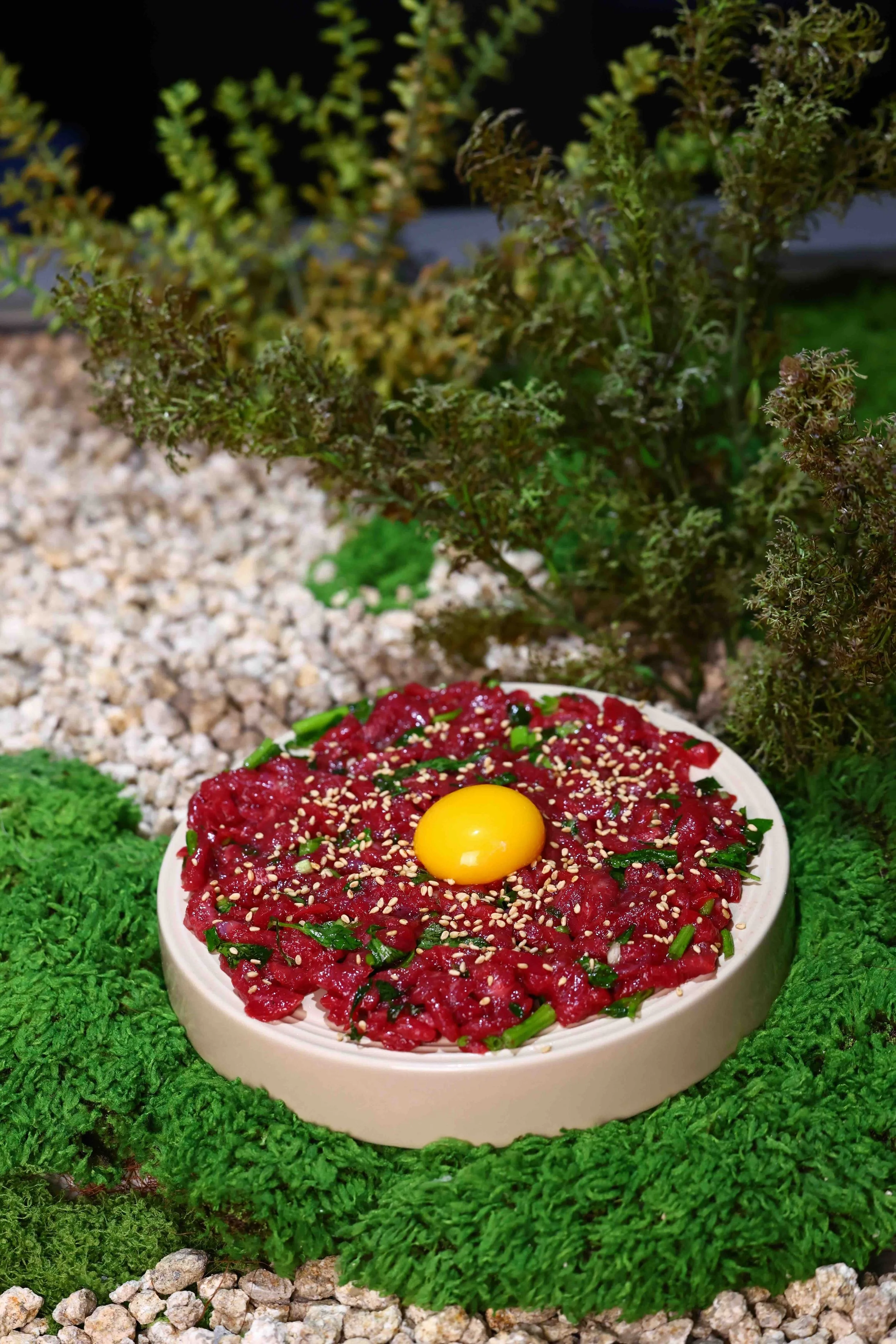
Korean cuisine is best known internationally for dishes such as Korean barbecue, kimchi, bibimbap and fried chicken, but anyone who spends enough time exploring Korean food will eventually encounter another dish that occupies a particularly interesting place in Korean dining culture: yukhoe.
Yukhoe, written 육회 in Korean, is a traditional dish made from raw beef that is carefully sliced or cut and seasoned before serving. For diners who are familiar with steak tartare, yukhoe may look somewhat familiar at first, but the flavor, texture and way it is eaten are distinctly Korean. The beef is usually seasoned lightly so that the meat remains the focus, while ingredients such as sesame oil, soy-based seasoning, garlic, sesame seeds or Korean pear may be used to create balance.
When premium Hanwoo is used, the dish takes on another dimension. The tenderness, marbling and natural beef flavor associated with high-quality Korean beef can make yukhoe particularly delicate, which is why Hanwoo yukhoe is commonly found in restaurants specializing in premium Korean beef.
At Hanwoojeong in Myeongdong, yukhoe is part of our broader approach to presenting premium Korean beef in more than one form. While grilled 1++ Hanwoo remains central to the Korean BBQ experience, raw preparations allow guests to understand the texture and flavor of the beef before it ever reaches the grill.
For international visitors who have never encountered raw Korean beef before, yukhoe can feel unfamiliar. The best way to understand it is not to think of it simply as “uncooked meat,” but as a distinct Korean dish with its own preparation style, flavor balance and place within Korean dining culture.
If you are completely new to Korean beef, start with our guide to what Hanwoo is before exploring raw preparations in more detail.
What Is Yukhoe?
Yukhoe literally refers to a raw meat preparation, although in modern Korean dining it is most commonly associated with raw beef.
The dish is usually prepared by cutting fresh beef into thin strips or fine slices before seasoning it lightly. The purpose of the seasoning is not to hide the flavor of the beef but to complement it.
Traditional versions may include sesame oil, soy-based seasoning, garlic, sesame seeds and a small amount of sweetness. Thin strips of Korean pear are also commonly served with yukhoe because the crisp, juicy sweetness creates contrast with the soft texture and savory character of the raw beef.
Some versions are finished with an egg yolk, which adds richness and creates a smoother texture when mixed with the beef.
The result is quite different from cooked Korean barbecue. Grilling creates browning, smoke, caramelization and rendered fat, while yukhoe allows the diner to experience the beef in a much cleaner and more direct form.
Texture becomes especially important.
Without heat changing the structure of the meat, tenderness, freshness and cutting technique are immediately noticeable. High-quality beef therefore matters considerably in a raw preparation.
This is one reason premium Hanwoo is particularly suited to yukhoe.
What Is Hanwoo Yukhoe?
Hanwoo yukhoe is simply yukhoe prepared using Hanwoo beef.
Hanwoo is Korea’s native cattle breed and one of the country’s most highly valued premium food products. The beef is known for its tenderness, marbling and distinctive balance between rich fat and pronounced beef flavor.
Not every yukhoe served in Korea is made from Hanwoo.
Some restaurants use other domestic beef or imported beef, so diners who specifically want to experience Hanwoo should look for restaurants that clearly identify the origin of the meat.
When premium Hanwoo is used, the quality of the beef itself becomes a central part of the dish.
The texture can feel exceptionally delicate, while the natural sweetness and richness of the meat work well with restrained seasoning. Because the beef is served raw, there is nowhere for poor texture or excessive toughness to hide.
This is why the quality of the starting ingredient becomes so important.
At Hanwoojeong, our focus is premium Korean beef, including 1++ Hanwoo served across several preparations. Guests who want to understand how Hanwoo changes depending on cooking method can compare raw preparations such as yukhoe with grilled cuts during the same meal.
For more background on Korea’s highest beef grade, see our complete guide to 1++ Hanwoo.
What Does Yukhoe Taste Like?
The flavor of yukhoe is much more subtle than many first-time diners expect.
People who hear the phrase “raw beef” sometimes imagine an extremely intense or bloody flavor. Properly prepared yukhoe is generally much cleaner and more delicate.
The first sensation is usually texture.
The beef should feel tender and smooth rather than chewy. Light seasoning adds saltiness and nuttiness, while sesame oil contributes aroma and richness.
If Korean pear is served alongside the beef, its crisp texture and gentle sweetness create an immediate contrast. This combination is particularly important because the pear refreshes the palate while the beef provides richness and savory depth.
Garlic may introduce a sharper note, while sesame seeds add a lightly toasted character.
When egg yolk is included, the overall dish becomes richer and more rounded.
The exact flavor varies from restaurant to restaurant because each kitchen has its own seasoning balance, but good yukhoe should still taste clearly of beef.
If the seasoning is so strong that the meat disappears completely, the main ingredient loses much of its purpose.
Yukhoe vs Steak Tartare: Are They the Same?
Yukhoe is sometimes described as Korean steak tartare, which is useful as a quick explanation for diners who have never encountered the dish before. However, they are not exactly the same.
Both dishes use raw beef, but the seasoning, cutting style and cultural context are different.
European-style steak tartare is often finely chopped and may include ingredients such as mustard, capers, onion, Worcestershire sauce and egg yolk. The seasoning can be relatively assertive and is often mixed directly through the meat.
Yukhoe is generally cut into thin strips rather than being minced into a paste-like texture. Its seasoning tends to reflect Korean flavor profiles, with ingredients such as sesame oil, soy-based seasoning, garlic, sesame and pear.
The eating experience is therefore different.
Steak tartare often feels like a composed raw beef dish in which the seasoning and meat become one mixture. Yukhoe tends to preserve more of the beef’s original texture, allowing individual pieces to remain distinct.
This difference becomes particularly noticeable when high-quality Hanwoo is used.
The texture of the meat remains one of the central features of the dish rather than simply becoming a carrier for seasoning.
Yukhoe vs Beef Sashimi: What Is the Difference?
Another common source of confusion is the difference between yukhoe and beef sashimi.
Although both are served raw, they are not the same preparation.
Yukhoe is seasoned. The beef is generally cut into strips and combined with ingredients that add saltiness, nuttiness, sweetness and aroma.
Beef sashimi, often called yuk-sashimi or 육사시미 in Korea, is usually served in larger, cleaner slices with much less seasoning applied directly to the meat.
The purpose of beef sashimi is to allow the diner to experience the natural texture and flavor of the beef with as little interference as possible.
Yukhoe, by comparison, is more of a composed dish.
The seasoning is part of the experience.
At Hanwoojeong, these two styles allow guests to experience raw beef in different ways. Yukhoe emphasizes balance between meat and seasoning, while beef sashimi places even greater emphasis on the natural quality of the beef itself.
Why Hanwoo Works So Well for Raw Beef
Premium raw beef requires qualities that become immediately obvious when no cooking is involved.
Tenderness is one of the most important.
Cooking can soften certain muscles and render fat, but raw beef relies more heavily on the natural texture of the cut and the precision with which it is prepared.
Hanwoo can work particularly well because high-grade beef tends to combine tenderness with fine marbling and strong natural flavor.
Marbling also affects mouthfeel.
When beef is grilled, intramuscular fat melts dramatically. In raw beef, the fat remains cooler and firmer, creating a subtler form of richness.
This makes the experience very different from eating the same animal grilled.
For diners interested in understanding premium Korean beef in greater depth, trying both raw and grilled preparations can reveal how much cooking method influences flavor and texture.
Our Hanwoo Cuts Guide explains how different parts of the animal vary in tenderness, marbling and beef character.
How Is Yukhoe Traditionally Seasoned?
There is no single universal recipe for yukhoe, but several ingredients appear frequently in Korean preparations.
Sesame oil is one of the most important because it gives the dish its characteristic nutty aroma. A small amount of soy-based seasoning may be used to add saltiness and umami without overwhelming the beef.
Garlic adds sharpness, while sesame seeds provide a subtle toasted flavor.
Some recipes include sugar or another source of sweetness, but the sweetness should remain restrained.
Korean pear is one of the most recognizable accompaniments. Its sweetness is mild and refreshing rather than heavy, while its crisp texture contrasts beautifully with tender raw beef.
An egg yolk may also be placed on top of the dish. When mixed into the yukhoe, it creates a richer texture and rounds out the stronger savory flavors.
The ideal seasoning should enhance the beef rather than completely transform it.
That principle is similar to the way we approach premium Korean barbecue. High-quality Hanwoo does not need to be buried under strong sauces to be enjoyable.
For a detailed look at how different condiments work with grilled beef, see our Korean BBQ Sauces & Banchan Guide.
How Do You Eat Yukhoe?
There is no complicated technique required to eat yukhoe.
The easiest approach is to begin with a small bite of the beef itself, particularly if the seasoning has been kept relatively light.
This allows you to understand the texture and natural character of the meat.
If pear is served alongside it, try the next bite with a piece of pear. The combination demonstrates why sweetness and crispness are so commonly paired with raw beef in Korea.
If the dish includes egg yolk, it can be gently mixed through the beef to create a richer and smoother texture.
Some diners prefer to eat the dish exactly as it arrives, while others gradually combine the components.
There is no need to mix everything aggressively from the beginning.
As with premium Korean BBQ, starting simply gives you a better understanding of what each ingredient contributes.
Is Yukhoe Served Cold?
Yes. Yukhoe is normally served chilled.
Temperature is important because it helps preserve the desired texture of the beef and keeps the dish refreshing rather than heavy.
Cold beef also allows the fat to remain firmer than it would be in a grilled preparation.
This contributes to the clean, delicate mouthfeel associated with well-prepared yukhoe.
Because the dish is raw, proper handling, storage and preparation are particularly important. Reputable restaurants should treat raw beef with considerable care from sourcing through service.
Is Yukhoe Safe to Eat?
Raw meat always carries a higher food-safety risk than thoroughly cooked meat.
That applies to yukhoe just as it applies to steak tartare, beef sashimi and other raw meat dishes.
Restaurants serving raw beef should use appropriate sourcing, refrigeration, storage and preparation procedures, but no raw meat dish can be described as completely risk-free.
People who are pregnant, elderly, very young, immunocompromised or otherwise at increased risk from foodborne illness are generally advised to avoid raw or undercooked meat.
For most diners who choose to eat yukhoe, selecting a reputable restaurant that specializes in high-quality beef and maintains proper food handling practices is important.
Premium grade alone does not eliminate food-safety risk; handling is equally important.
Why Is Korean Pear Served With Yukhoe?
Korean pear is not simply decorative.
Its role is functional as well as traditional.
The pear is extremely crisp and juicy, which creates a strong textural contrast with soft raw beef. Its mild sweetness also balances the savory seasoning of the yukhoe without turning the dish into something noticeably sweet.
The high water content refreshes the palate between bites, making the dish feel lighter.
This balance between soft meat and crisp fruit is one of the characteristics that separates yukhoe from many Western raw beef preparations.
For first-time diners, eating the beef and pear together is one of the easiest ways to understand the logic behind the dish.
Why Is Egg Yolk Sometimes Served With Yukhoe?
Egg yolk is commonly used because it adds richness without introducing an aggressive flavor.
When mixed through the beef, it creates a silkier texture and softens the sharper elements of garlic, soy-based seasoning or other ingredients.
The yolk also visually emphasizes the dish’s luxurious character, especially when placed at the center of neatly arranged beef and pear.
Not every yukhoe preparation includes egg yolk, so its presence should not be treated as a requirement.
Different restaurants create slightly different interpretations while maintaining the basic identity of seasoned raw beef.
Is Yukhoe Spicy?
Usually, yukhoe is not particularly spicy.
Unlike many Korean dishes internationally associated with chili, traditional yukhoe tends to emphasize sesame, savory seasoning, sweetness and the flavor of the beef itself.
Some restaurants may introduce chili or stronger seasonings, but heat is not the defining characteristic of the dish.
This makes yukhoe a good introduction to Korean cuisine for diners who enjoy Korean flavors but prefer dishes that are not heavily spicy.
Is Yukhoe Expensive?
The price of yukhoe varies widely depending on the type of beef, restaurant and portion.
Yukhoe made with premium Hanwoo is generally more expensive than versions prepared with lower-cost beef because Hanwoo itself commands a significant premium in Korea.
The cut used, grade of beef and restaurant positioning also influence the price.
At premium Korean beef restaurants, yukhoe is often presented as a specialty rather than simply a side dish.
This reflects both the cost of the raw ingredient and the careful handling required for serving beef uncooked.
For diners wondering why premium Korean beef carries a higher price more broadly, our upcoming guide to why Hanwoo is expensive will explore the factors behind Hanwoo pricing in greater detail.
Where Is Yukhoe Popular in Korea?
Yukhoe can be found throughout Korea, from traditional markets to specialty beef restaurants.
Seoul is particularly well known for raw beef dishes because diners can experience everything from traditional market-style yukhoe to premium Hanwoo versions served in refined restaurants.
Different environments create different experiences.
Market-style yukhoe tends to emphasize tradition, generous portions and a lively atmosphere, while premium Hanwoo restaurants may place more attention on beef origin, grade, cutting technique and presentation.
Neither style is inherently more authentic than the other.
They simply represent different ways in which the dish exists within modern Korean food culture.
Yukhoe as Part of a Korean BBQ Meal
Yukhoe can work particularly well at the beginning of a Korean BBQ meal.
Before the grill becomes hot and the richer aromas of cooked beef fill the table, raw beef provides a cleaner and more delicate introduction.
The contrast becomes even more interesting once grilled Hanwoo begins arriving.
The same ingredient changes dramatically.
Raw beef emphasizes tenderness and freshness, while grilling introduces caramelization, rendered fat and deeper roasted flavors.
Experiencing both during the same meal can make the characteristics of Hanwoo much easier to understand.
At Hanwoojeong, this progression is part of what makes premium Korean beef interesting. Guests can move from raw preparations into grilled cuts and experience how texture and flavor evolve throughout the meal.
Explore our Hanwoojeong 1++ Hanwoo menu to see the current selection of premium Korean beef dishes.
How Is Yukhoe Different From Grilled Hanwoo?
The difference is much larger than temperature alone.
Grilling changes the chemistry of beef. Heat creates browning on the surface and releases aromas that do not exist in raw meat.
Fat also changes dramatically.
In highly marbled 1++ Hanwoo, intramuscular fat begins to soften and render during grilling, creating the rich mouthfeel associated with premium Korean barbecue.
In yukhoe, the fat remains comparatively firm and restrained.
The natural texture of the muscle is therefore much more obvious.
This is why someone who has eaten Hanwoo only as Korean BBQ has not necessarily experienced the full range of what the beef can offer.
Raw preparations reveal another side entirely.
Is Yukhoe the Best Way to Taste Hanwoo?
There is no single best way to eat Hanwoo.
Raw and grilled preparations reveal different characteristics.
Yukhoe highlights tenderness, freshness and natural texture, while grilled Hanwoo emphasizes marbling, caramelization and aroma.
Beef sashimi goes even further toward purity by minimizing seasoning.
For someone who wants to understand premium Hanwoo as completely as possible, trying several preparations is more useful than choosing only one.
This is the same philosophy behind tasting multiple grilled cuts rather than eating one large steak.
Variety reveals differences.
Our Hanwoo Cuts Guide explains why ribeye, ribeye cap, chuck flap tail and short rib each produce distinct eating experiences even when they share the same premium grade.
What to Drink With Yukhoe
Yukhoe can pair well with several styles of Korean alcohol.
Traditional distilled spirits can complement the savory flavor of the beef without introducing excessive sweetness.
Soju is another familiar option, particularly for diners who want a classic Korean combination.
More aromatic traditional liquors can create interesting pairings depending on their strength and flavor profile.
Wine can also work, although very heavy reds may overwhelm the delicacy of raw beef. Lighter or more restrained styles are often easier to pair.
The best choice depends on how strongly the yukhoe itself has been seasoned.
At Hanwoojeong, our beverage selection is designed to complement premium Korean beef across both raw and grilled preparations.
Where to Try Hanwoo Yukhoe in Myeongdong
Myeongdong is one of the most convenient areas in Seoul for international visitors, with direct access to hotels, shopping streets, department stores and major sightseeing areas.
For travelers who want to experience premium Korean beef without leaving central Seoul, Hanwoojeong specializes in 1++ Hanwoo Korean BBQ and premium beef dishes in a refined, hanok-inspired setting.
Raw preparations such as yukhoe give guests another way to experience Korean beef beyond the grill.
Rather than treating yukhoe as an isolated novelty, we recommend viewing it as part of the broader Hanwoo experience. Tasting raw beef before moving into grilled cuts makes the differences in texture, fat and aroma much more noticeable.
For directions and transportation information, see our Hanwoojeong Myeongdong location guide.
Frequently Asked Questions About Korean Raw Beef and Yukhoe
-
The best-known Korean raw beef dish is called yukhoe, written 육회 in Korean. It is made by cutting raw beef into strips and seasoning it with ingredients such as sesame oil, soy-based seasoning, garlic and sesame. Korean pear and egg yolk are also commonly served with it.
-
Hanwoo yukhoe is yukhoe prepared using Korean Hanwoo beef. Because Hanwoo is a premium Korean cattle breed known for tenderness, marbling and beef flavor, it is particularly well suited to high-quality raw beef dishes.
-
No. Both use raw beef, but they have different seasoning styles and textures. Steak tartare is often finely chopped and seasoned with European ingredients such as mustard, capers and onion, while yukhoe is usually cut into strips and flavored with Korean ingredients such as sesame oil, garlic and pear.
-
Yukhoe is seasoned raw beef, while beef sashimi is generally served in cleaner slices with much less seasoning. Yukhoe emphasizes the balance between beef and seasoning, while beef sashimi focuses more strongly on the natural texture and flavor of the meat.
-
Yukhoe is generally not very spicy. Its traditional flavor profile is more savory, nutty and slightly sweet, with sesame oil, garlic and soy-based seasoning playing a greater role than chili.
-
Yes, Korean pear is commonly served with yukhoe. Its crisp texture and gentle sweetness contrast with the tender raw beef and help refresh the palate.
-
Egg yolk adds richness and creates a smoother texture when mixed with the raw beef. It also softens stronger seasonings and makes the dish feel more luxurious.
-
Eating raw beef carries a higher food-safety risk than eating thoroughly cooked beef. Proper sourcing and handling reduce risk but do not eliminate it. People at higher risk from foodborne illness should avoid raw or undercooked meat.
-
Yes. Yukhoe works especially well as an opening dish before grilled beef because its clean, chilled texture provides a contrast to the richer flavors that develop once Hanwoo is grilled.
-
Premium Hanwoo restaurants throughout Seoul may serve yukhoe. Hanwoojeong in Myeongdong specializes in premium Korean beef and offers raw and grilled preparations as part of the Hanwoo dining experience.
Experience Hanwoo Beyond the Grill at Hanwoojeong
Korean raw beef is much more than a novelty for adventurous travelers.
Yukhoe represents a different way of understanding premium Korean beef.
Where Korean BBQ transforms Hanwoo through heat, browning and rendered fat, yukhoe preserves the natural texture of the meat and combines it with restrained Korean seasoning. Pear adds freshness, sesame contributes aroma and the tenderness of the beef remains completely exposed.
When premium Hanwoo is used, the quality of the meat becomes particularly noticeable.
For diners visiting Seoul, trying yukhoe alongside grilled Hanwoo provides a much broader perspective on Korean beef culture than experiencing Korean BBQ alone.
At Hanwoojeong in Myeongdong, our approach is centered on premium 1++ Hanwoo served in ways that allow guests to appreciate its different characteristics. From raw preparations to ribeye, ribeye cap, chuck flap tail and short rib cooked at the table, each dish reveals another side of Korea’s premium beef tradition.
Explore the Hanwoojeong 1++ Hanwoo menu, learn the fundamentals in our What Is Hanwoo? Guide, understand Korea’s grading system through our Understanding 1++ Hanwoo Guide, compare individual cuts in our Hanwoo Cuts Guide, or reserve a table at Hanwoojeong in Myeongdong for your next Korean beef experience.
Address: Myeongdong 3-gil 44 3rd Floor
Nearest Subway Station:
Euljiro-1-ga Station (Line 2) Exit 5, 1-minute walk
Myeongdong Station (Line 4) Exit 6, 10-minutes walk
Follow us on Instagram : @hanwoojeong
