
How Much Does Hanwoo Cost in Seoul? 2026 Premium Korean BBQ Price Guide
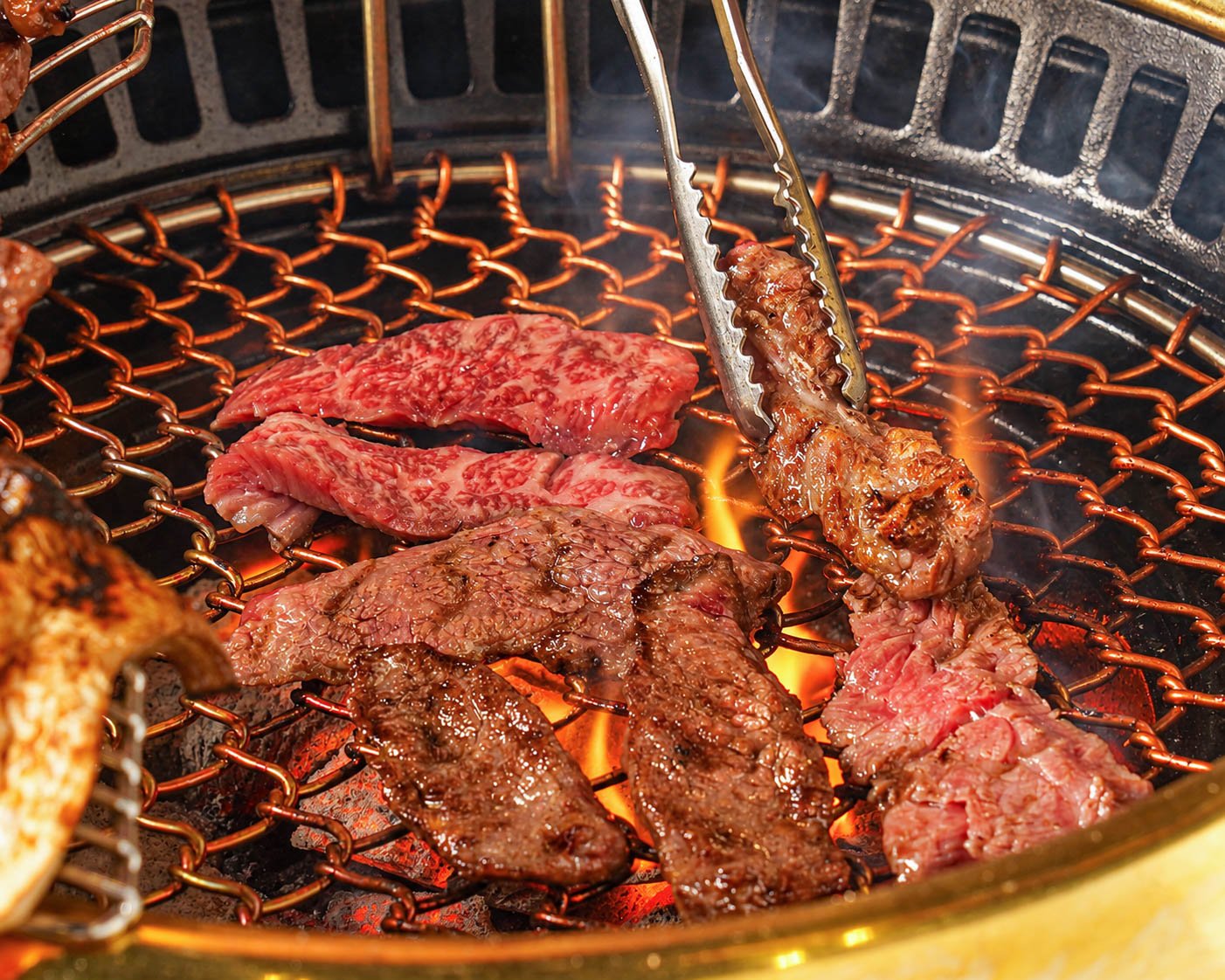
For travelers exploring Seoul's dining scene, few ingredients capture the distinction of Korean cuisine quite like Hanwoo. Celebrated for its delicate marbling, remarkable tenderness, and rich yet beautifully balanced flavor, Korean Hanwoo beef has earned its place among the country's most highly regarded culinary experiences. Whether served at an intimate Korean barbecue restaurant or presented as part of an elaborate tasting menu, Hanwoo represents a side of Korean dining where the quality of the ingredient takes precedence over almost everything else.
Yet for many international visitors, one question naturally arises before making a reservation: How much does Hanwoo cost in Seoul, and is premium Korean beef worth the price?
Unlike everyday Korean BBQ, where pork belly or imported beef may be served in generous portions at relatively accessible prices, Hanwoo occupies a different category. The final cost depends on several factors, including the beef's quality grade, the individual cut, the serving size, the restaurant's approach to preparation, and the overall dining experience.
In 2026, diners seeking premium Hanwoo Korean BBQ in Seoul can encounter substantial differences in price between restaurants, even when the menus appear similar. Understanding those differences makes it easier to choose a dining experience that suits both your expectations and your budget.
At Hanwoojeong, a premium Korean BBQ restaurant in Myeongdong, we believe that an exceptional Hanwoo meal should offer more than beautifully marbled beef. It should provide an opportunity to discover the character of individual cuts, appreciate the subtle influence of charcoal grilling, and enjoy the warmth of Korean hospitality in a setting that feels both traditional and considered.
This 2026 guide explores the cost of Hanwoo in Seoul, explains what influences premium Korean beef prices, compares individual cuts and tasting sets, and provides a detailed look at what to expect when dining at Hanwoojeong in Myeongdong.
How Much Does Hanwoo Cost in Seoul in 2026?
The price of Hanwoo in Seoul varies considerably depending on where it is served, the grade of the beef, the cut being ordered, and the type of restaurant.
At a butcher shop, customers generally pay for the raw beef itself, while a butcher-restaurant may add separate charges for table service, accompaniments, or grilling facilities. At a dedicated premium Korean BBQ restaurant, the price reflects the prepared dining experience as well as the meat, including factors such as sourcing, individual cuts, service, and the restaurant environment.
This distinction is important because two establishments advertising 1++ Hanwoo may offer quite different experiences, even if they use the same official beef grading terminology.
For a concrete 2026 pricing reference, Hanwoojeong in Myeongdong lists its premium 1++ Hanwoo cuts at ₩39,000 to ₩49,000 per 100 g, depending on the selection. For guests who would prefer to experience several cuts during one meal, curated Hanwoo sets range from ₩165,000 for 400 g to ₩220,000 for 600 g, with one side dish included in each set.
These are Hanwoojeong's published restaurant prices rather than a market-wide average for Seoul. Prices at other restaurants can be lower or higher, depending on the grade, sourcing, preparation, portion size, and service format.
When planning your dining budget, the most reliable approach is to compare restaurants using the same serving weight and to check whether additional dishes or services are included.
A menu that appears less expensive at first glance may use smaller portions or charge separately for items included elsewhere. Conversely, a higher-priced restaurant may emphasize specific cuts, more attentive preparation, or a dining format designed around the character of premium beef.
Ultimately, understanding the cost of Hanwoo begins with understanding what you are ordering.
What Is Hanwoo, and Why Is Korean Beef Expensive?
Hanwoo, written 한우 in Korean, refers to Korea's native cattle breed, which has become one of the country's most celebrated sources of premium beef.
Its significance extends well beyond modern restaurant culture. Hanwoo cattle were historically valued for their role in Korean agriculture, particularly during periods when cattle were essential for farming and transportation. As Korea's agricultural economy developed and livestock production became increasingly specialized, Hanwoo gradually evolved into a breed primarily associated with meat production.
Today, premium Hanwoo reflects decades of selective breeding, livestock management, quality evaluation, and changing consumer preferences.
The breed is particularly associated with its ability to develop fine intramuscular fat, commonly known as marbling. These delicate white streaks distributed throughout the meat influence its tenderness, juiciness, aroma, and richness when cooked.
However, not all Hanwoo is identical, and the name alone does not guarantee a particular level of quality.
The price of premium Hanwoo is influenced by several interconnected factors. Raising cattle requires substantial resources, including feed, land, labor, veterinary care, and time. Beef production also involves processing, grading, distribution, refrigeration, and careful handling before the meat eventually reaches the restaurant.
In addition, the most desirable grilling cuts represent only a portion of each animal. A restaurant cannot obtain unlimited quantities of ribeye cap, chuck flap tail, or tenderloin from a single carcass, and demand for these specific cuts can influence their price.
Korean consumers also place considerable cultural value on Hanwoo, particularly for celebrations, family gatherings, meaningful occasions, and premium dining experiences.
For visitors unfamiliar with the breed, our comprehensive guide to What Is Hanwoo? Understanding Korean Beef, Grades, Marbling and Cuts explores the history and characteristics of Korea's native beef in greater detail.
Understanding Hanwoo Beef Grades: What Does 1++ Mean?
One of the most important factors affecting the cost of Hanwoo is its official Korean beef quality grade.
Korea uses a standardized grading system that evaluates beef according to characteristics including marbling, meat color, fat color, texture, and maturity. The principal quality-grade categories are 1++, 1+, 1, 2, and 3, with 1++ representing the highest official quality grade.
For diners, this system provides a useful starting point when comparing premium Korean beef.
1++ Hanwoo: Korea's Highest Beef Quality Grade
Beef classified as 1++ has achieved the highest category within Korea's official quality grading system. It is particularly associated with substantial intramuscular marbling, although the evaluation considers additional characteristics beyond fat distribution.
Within this category, the beef may carry a marbling score of 7, 8, or 9, commonly displayed as 1++(7), 1++(8), or 1++(9).
These numbers provide a more detailed indication of the marbling assessed during grading. They should not be confused with percentages of fat or treated as a universal prediction of how every individual cut will taste.
Higher marbling can contribute to a particularly tender, rich eating experience, but the quality of a meal also depends on the cut, preparation, cooking, and individual preference.
1+ and Grade 1 Hanwoo
Although 1++ attracts considerable attention among premium beef enthusiasts, 1+ and Grade 1 Hanwoo can also offer excellent dining experiences.
Some diners genuinely prefer beef with slightly less marbling, particularly when they enjoy a firmer texture or a more pronounced lean-beef character.
A higher grade does not mean that every guest will necessarily prefer every piece of that beef. Personal preference remains an essential part of premium dining.
At Hanwoojeong, our menu centers on 1++ Hanwoo, allowing guests to explore the highest official quality-grade category through several carefully selected cuts.
For a deeper explanation of Korea's grading system and the significance of marbling scores, explore our Understanding 1++ Hanwoo: A Complete Guide to Korea's Premium Beef.
Hanwoo Price Per 100 g: What Do Different Cuts Cost?
When comparing Hanwoo prices in Seoul, the individual cut is just as important as the quality grade.
Even within the same 1++ category, ribeye, tenderloin, short rib, chuck flap tail, and ribeye cap differ in muscle structure, tenderness, fat distribution, and flavor. Their availability and demand also vary, which helps explain why one cut may command a higher price than another.
At Hanwoojeong, the current premium 1++ Hanwoo menu offers the following individual selections, each priced per 100 g.
Hanwoo Ribeye — ₩43,000 per 100 g
Ribeye, known as deungsim (등심), is among the most recognizable premium beef cuts and provides an excellent introduction to Korean Hanwoo.
It is appreciated for its balance of marbling, tenderness, and distinctive beef flavor. When properly grilled, the surface develops a delicate roasted aroma while the interior remains juicy, allowing the richness of the intramuscular fat to complement rather than conceal the character of the beef.
For first-time Hanwoo diners, ribeye offers familiarity without sacrificing the qualities that make premium Korean beef distinctive.
Hanwoo Tenderloin — ₩39,000 per 100 g
Tenderloin, known as ansim (안심), is prized for its naturally tender texture.
Compared with heavily marbled cuts, tenderloin typically offers a more delicate expression of beef, with softness taking precedence over intense richness.
It is particularly suitable for diners who appreciate tenderness but prefer a lighter, more restrained eating experience.
Hanwoo Short Rib — ₩40,000 per 100 g
Short rib, or galbisal (갈비살), offers a satisfying combination of tenderness, pronounced beef flavor, and a more substantial texture.
Although short rib is often associated with Korea's traditional marinated galbi dishes, premium Hanwoo short rib can also be enjoyed without heavy seasoning. This allows the natural flavor of the meat to remain central to the experience.
For guests who enjoy beef with depth and character, short rib is an appealing choice.
Hanwoo Chuck Flap Tail — ₩49,000 per 100 g
Chuck flap tail, known in Korean as salchisal (살치살), is one of the most visually distinctive cuts commonly associated with premium Hanwoo.
Its abundant marbling creates a particularly rich texture, while the underlying muscle contributes the savory depth that makes the cut so highly regarded.
When grilled carefully, the fat softens quickly, creating a tender and flavorful bite that is both indulgent and unmistakably beef-forward.
Salchisal is especially worthwhile for guests who want to discover a cut closely associated with Korean premium beef culture.
Hanwoo Ribeye Cap — ₩49,000 per 100 g
Ribeye cap, known as saewoo-sal (새우살), is another highly prized selection.
Located along the outer portion of the ribeye, this cut is known for its fine marbling, tenderness, and rich mouthfeel. Its distinctive structure creates an experience that differs noticeably from the central ribeye, even though the two cuts come from the same general area.
For diners who appreciate beautifully marbled beef with a soft texture, ribeye cap can become one of the most memorable selections of the meal.
Hanwoojeong also offers Top Blade (부채살) at ₩39,000 per 100 g and Short Plate (업진살) at ₩43,000 per 100 g, providing further opportunities to explore different expressions of premium Korean beef.
To understand how these selections compare in texture, flavor, and marbling, read our Hanwoo Cuts Guide: Ribeye, Ribeye Cap, Chuck Flap Tail and Short Rib.
Hanwoo Tasting Sets in Seoul: A More Complete Korean Beef Experience
For visitors trying Hanwoo for the first time, ordering an assortment of premium cuts can be more rewarding than selecting a single portion.
A tasting set allows diners to experience the differences between cuts while keeping the meal cohesive. Rather than relying entirely on visual marbling or unfamiliar Korean names, guests can discover their preferences through the texture and flavor of each selection.
At Hanwoojeong, our curated Hanwoo sets are designed around this approach, presenting multiple cuts of premium 1++ Korean beef in portions that can be shared around the table.
Hanwoo 400 Set — ₩165,000
The Hanwoo 400 Set includes 400 g of premium 1++ Hanwoo, consisting of four individual 100 g portions.
Guests can experience ribeye, short rib, chuck flap tail, and ribeye cap, creating a balanced introduction to some of the most distinctive cuts in our selection.
The set includes one side dish and offers an opportunity to appreciate how marbling, tenderness, and flavor differ between the cuts.
For two guests, the 400 g set provides approximately 200 g of raw beef per person before cooking, making it a suitable starting point for a meal accompanied by Korean side dishes or additional specialties, depending on appetite.
The set price works out to ₩41,250 per 100 g, or ₩82,500 per person when shared equally between two guests, before additional orders.
Hanwoo 500 Set — ₩195,000
The Hanwoo 500 Set expands the experience to five premium cuts, adding top blade to the four selections included in the 400 g set.
It includes 100 g each of ribeye, short rib, chuck flap tail, ribeye cap, and top blade, together with one side dish.
This selection offers greater variety while maintaining a thoughtful balance between richly marbled beef and cuts with a more pronounced texture.
For two diners, the 500 g set provides approximately 250 g of raw beef per person before cooking.
At ₩195,000, the equivalent price is ₩39,000 per 100 g, or ₩97,500 per person when shared by two guests, before any additional food or drinks.
For couples and travelers who want a fuller introduction to Korean Hanwoo, this set offers an especially considered balance of variety and portion size.
Hanwoo 600 Set — ₩220,000
The Hanwoo 600 Set offers a broader tasting experience with six different cuts.
Alongside ribeye, short rib, chuck flap tail, ribeye cap, and top blade, the set includes short plate, bringing the total to 600 g of premium 1++ Hanwoo.
Each cut contributes a different relationship between tenderness, marbling, texture, and flavor, allowing diners to explore a greater range of the beef's characteristics during one sitting.
The set also includes one side dish.
At ₩220,000, the effective meat price is approximately ₩36,667 per 100 g, making it the lowest per-gram price among the three currently listed Hanwoojeong sets.
Shared between two guests, the base price is ₩110,000 per person, while three guests sharing equally would pay approximately ₩73,333 each before additional dishes or drinks.
The larger set can be an attractive choice for diners who enjoy comparing cuts or for groups who want a shared premium Korean BBQ experience.
You can explore the complete selection and latest published prices on our Hanwoojeong Premium 1++ Hanwoo Menu.
How Much Should Two People Budget for Hanwoo Korean BBQ in Seoul?
For couples or two friends planning a premium Hanwoo dinner in Seoul, it is helpful to think about the complete meal rather than focusing exclusively on the starting price of the beef.
At Hanwoojeong, two guests sharing the 400 g Hanwoo set would begin at ₩165,000, equivalent to ₩82,500 per person before extras.
If both guests would prefer a slightly more generous tasting experience, the 500 g set is priced at ₩195,000, equivalent to ₩97,500 each.
For diners who want to explore all six cuts included in our largest assortment, the 600 g set costs ₩220,000, or ₩110,000 per person.
These amounts include the selected Hanwoo set and its one accompanying side dish, but additional dishes and beverages will increase the final bill.
For example, two guests ordering the 500 g set, an additional ₩9,000 brisket soybean stew, and two ₩2,500 soft drinks would have an estimated total of ₩209,000, or ₩104,500 per person.
This is an illustrative menu-based calculation rather than a fixed dining package. Guests can naturally spend more or less depending on their chosen cuts, appetite, drinks, and additional dishes.
The value of planning a premium Hanwoo dinner this way is that you can decide how extensive you want the experience to be without arriving at the restaurant uncertain about the likely cost.
How Much Does Hanwoo Cost for Three or Four People?
Group dining introduces another consideration: how much beef each guest would like to eat.
For three people, a 600 g Hanwoo set provides approximately 200 g of raw beef per person before cooking. Depending on appetite, this may be enjoyed alongside shared appetizers, banchan, rice, noodles, and additional Korean dishes.
The base cost of ₩220,000 works out to approximately ₩73,333 per guest before extras.
For four guests, a single 600 g set provides only 150 g of raw beef per person before cooking, so guests planning a meat-focused dinner may prefer to add individual cuts or another set.
This is one reason there is no universal answer to the question of how much a Hanwoo meal should cost per person. The appropriate quantity depends on the appetites of the diners and whether beef is intended to be the sole focus of the meal or part of a broader Korean dining experience.
At a premium Korean BBQ restaurant, ordering thoughtfully is often more satisfying than choosing the largest quantity without considering the cuts being served.
Why Are Certain Hanwoo Cuts More Expensive Than Others?
At first glance, it may seem surprising that two cuts from the same animal, both carrying the same 1++ grade, can be sold at noticeably different prices.
The explanation lies partly in anatomy and partly in the way premium beef is selected and enjoyed.
Every cut comes from a different muscle, and each muscle develops its own structure, texture, and fat distribution. Some naturally offer exceptional tenderness, while others develop particularly attractive marbling or a stronger beef flavor.
The quantity available from each carcass also varies.
Highly sought-after specialty cuts cannot simply be produced in greater quantities when demand increases. Their availability is determined by the anatomy of the animal, the size of the carcass, and the way the beef is butchered.
A heavily marbled ribeye cap may therefore attract a different level of demand from a leaner cut, even though both originate from high-grade Hanwoo.
However, the highest price does not automatically identify the cut that every diner will enjoy most.
A guest who loves richly marbled beef may prefer salchisal or ribeye cap, while someone who values tenderness without excessive richness may find tenderloin more appealing. Another diner might choose short rib for its more substantial texture and pronounced beef character.
Understanding these distinctions allows guests to select premium Korean beef according to their preferences rather than assuming that the most expensive item must always be the best.
Premium Hanwoo Korean BBQ vs. Regular Korean BBQ: What Is the Difference?
Korean BBQ is not a single price category or dining format.
Across Seoul, restaurants serve everything from casual pork belly and affordable imported beef to premium domestic Hanwoo and carefully composed tasting menus.
Regular Korean BBQ can be an excellent introduction to Korean dining culture, particularly for visitors who enjoy lively, casual meals centered around grilled meat, shared side dishes, and conversation.
Premium Hanwoo Korean BBQ places greater emphasis on the origin, grading, and specific characteristics of the beef itself.
Instead of choosing a large assortment based primarily on quantity, guests may select individual cuts according to marbling, tenderness, or flavor. The meal often proceeds more gradually so that each piece can be enjoyed immediately after grilling.
The role of service can also differ between restaurants.
At some Korean BBQ establishments, guests cook the meat themselves. At others, staff prepare the beef at the table, allowing diners to concentrate on the meal while the grilling is handled for them.
Neither format is inherently superior. They serve different preferences, budgets, and dining occasions.
For travelers interested specifically in premium Korean beef, the essential question is not simply whether a restaurant serves Korean BBQ, but what kind of beef experience the restaurant is designed to provide.
Why Charcoal Grilling Matters for Premium Hanwoo
The quality of the beef is central to a Hanwoo meal, but the way it is cooked has an equally important influence on the final experience.
At Hanwoojeong, premium Korean beef is grilled over real charcoal, with our staff preparing the meat at the table.
Charcoal creates an environment of direct, intense heat that can develop a flavorful exterior while allowing the inside of a carefully cooked piece of beef to retain its tenderness and juiciness.
This is particularly relevant for richly marbled Hanwoo, where the fat softens during cooking and contributes to the texture and aroma of the meat.
Different cuts also respond differently to heat.
A delicate, heavily marbled selection may require a different approach from a firmer cut with more pronounced muscle structure. Careful attention to cooking helps preserve those distinctions rather than treating every portion identically.
Is Hanwoo Worth the Price? Understanding the Value of Premium Korean Beef
For travelers comparing Korean BBQ restaurants in Seoul, the difference between standard beef and premium Hanwoo can initially seem substantial. After all, Seoul offers an extraordinary variety of barbecue restaurants, including affordable pork belly establishments, all-you-can-eat concepts, and traditional neighborhood restaurants where a satisfying meal can be enjoyed for considerably less.
However, these experiences serve different purposes, and comparing them solely by portion size overlooks much of what makes premium Hanwoo distinctive.
An all-you-can-eat restaurant is designed around variety, generosity, and the freedom to enjoy additional servings, while a premium Hanwoo restaurant places greater emphasis on the specific quality and character of each cut. Neither approach is inherently superior, but the dining experiences are fundamentally different.
With premium 1++ Hanwoo, the appeal lies in the intricate relationship between marbling, tenderness, natural beef flavor, and precise grilling. The quality becomes apparent not only in the appearance of the raw meat but also in the way the fat renders over heat, how the surface develops its aroma, and how the texture changes between individual cuts.
The experience becomes particularly interesting when several cuts are enjoyed together. A beautifully marbled chuck flap tail offers a different expression of richness from a tenderloin, while a carefully grilled short rib provides its own balance of texture and flavor.
At Hanwoojeong, this appreciation for individual cuts forms the foundation of our dining philosophy. Rather than treating Korean beef as a single ingredient with a single flavor, we invite guests to discover the subtle distinctions that make each selection worth experiencing.
For visitors planning one special meal during their time in Korea, premium Hanwoo offers something that is difficult to replicate elsewhere: an opportunity to experience a native Korean ingredient within the culinary tradition that has made it so highly regarded.
Hanwoo vs. Wagyu: Is Korean Beef More Expensive?
Among international travelers, one of the most common comparisons involves Korean Hanwoo and Japanese Wagyu.
Both are associated with premium beef, beautiful marbling, and carefully developed cattle breeds, yet they represent different culinary traditions and should not be regarded as interchangeable.
Japanese Wagyu, particularly A5-grade beef, is internationally recognized for its distinctive marbling and luxurious texture. Korean Hanwoo has developed its own reputation through the characteristics of Korea's native cattle, its national grading system, and a dining culture that places particular importance on charcoal grilling and the natural flavor of beef.
The price of either can vary widely according to quality, cut, availability, import costs, and the restaurant serving it. It would therefore be misleading to suggest that Hanwoo is always more expensive than Wagyu, or vice versa.
Their grading systems also differ. Korean 1++ and Japanese A5 are both prestigious quality classifications within their respective systems, but they are not directly equivalent.
For travelers visiting Seoul, Hanwoo is especially appealing because it offers the opportunity to experience premium Korean beef close to its domestic production and culinary traditions.
Rather than approaching the meal as a competition between two kinds of beef, we recommend appreciating Hanwoo on its own terms, taking time to notice its natural flavor, marbling, texture, and the way each cut responds to grilling.
For a more detailed comparison, explore our Hanwoo vs. Wagyu Guide: Understanding the Differences Between Korean and Japanese Premium Beef.
Why Charcoal Grilling Matters When Eating Premium Hanwoo
The quality of the beef is essential, but the method of preparation plays an equally important role in how it is experienced.
Korean barbecue has long been associated with the interaction between meat, heat, and the dining table, and charcoal remains one of its most recognizable traditional grilling methods.
At Hanwoojeong, premium 1++ Hanwoo is prepared over real charcoal, with our staff assisting guests through the grilling process.
Charcoal grilling introduces an element of precision that is particularly valuable when working with highly marbled beef. The heat encourages the surface of the meat to develop a delicate roasted character while the intramuscular fat begins to soften and render.
Because different cuts vary in thickness, structure, and marbling, they do not necessarily benefit from identical grilling times. A leaner cut may require a different approach from a richly marbled ribeye cap, while smaller pieces can change texture remarkably quickly when exposed to high heat.
This is why table-side grilling is an important part of our service.
Rather than asking guests to manage every piece of beef themselves, our staff help prepare the meat at the table, allowing each cut to be enjoyed with attention to its individual characteristics.
For international visitors unfamiliar with Korean premium beef, this also creates a more approachable dining experience. Guests can appreciate the process without having to worry about overcooking an unfamiliar cut.
The result is a style of Korean BBQ in which the cooking becomes part of the experience, but the emphasis remains firmly on the quality of the ingredient.
What Should You Eat With Premium Hanwoo?
Although Hanwoo is undoubtedly the centerpiece of a premium Korean BBQ meal, the accompanying dishes contribute significantly to its balance and enjoyment.
Korean dining rarely treats meat as something that must be eaten entirely on its own. Instead, different flavors and textures are brought together around the table, allowing each guest to create combinations that suit their preferences.
When trying a premium cut for the first time, a small amount of salt is often an excellent starting point. This allows the natural richness and flavor of the beef to remain prominent without being overwhelmed by stronger seasonings.
As the meal progresses, traditional Korean accompaniments introduce a different dimension.
Fresh vegetables offer a welcome contrast to marbled beef, while fermented side dishes contribute acidity, depth, and complexity. Ssamjang, Korea's savory dipping sauce traditionally made with fermented soybean paste and chili paste, adds a more pronounced flavor for guests who enjoy the classic Korean barbecue experience.
Side dishes also help create a natural rhythm throughout the meal. A bite of richly marbled Hanwoo may be followed by something refreshing or savory, allowing the palate to appreciate the next cut without becoming overwhelmed by richness.
At Hanwoojeong, guests can complement their Korean beef with dishes such as brisket soybean stew, mul naengmyeon, bibim naengmyeon, Hanwoo brisket ramyeon, yukhoe bibimbap, and other Korean specialties from our menu.
For those who enjoy exploring Korean food beyond barbecue, these additions provide another opportunity to experience the variety of flavors that define the country's cuisine.
Our Korean BBQ Sauces and Banchan Guide offers further reading on the traditional accompaniments that make Korean barbecue such a distinctive dining experience.
How to Choose a Premium Hanwoo Restaurant in Seoul
With so many restaurants advertising Korean BBQ in Seoul, selecting a premium Hanwoo restaurant can be challenging, particularly for first-time visitors.
A beautifully designed interior or an impressive photograph of marbled beef may capture attention, but there are several more meaningful details worth considering before making a reservation.
Look for Clearly Identified Hanwoo Beef Grades
The first consideration is whether the restaurant clearly identifies the beef being served.
The term "premium beef" does not necessarily mean that a restaurant uses Korean Hanwoo, and not every restaurant offering Hanwoo specializes in the highest quality grade.
Look for menus that specifically identify Korean Hanwoo and, where relevant, its official quality grade.
At Hanwoojeong, our principal beef selections are identified as 1++ Hanwoo, giving guests a clearer understanding of the ingredient they are ordering.
Compare Prices Using the Same Serving Weight
One of the easiest mistakes when comparing Korean BBQ restaurants is focusing on the menu price without checking the portion size.
Some restaurants list beef per 100 g, while others may use different serving weights or offer larger sets containing multiple cuts.
Always check the stated weight before deciding whether one restaurant is less expensive than another.
A ₩35,000 serving of beef weighing 80 g, for example, has a different effective price from a ₩39,000 serving weighing 100 g.
The same principle applies to tasting sets. Comparing the total weight, cut selection, and included dishes provides a more reliable understanding of their value.
Consider the Variety of Cuts Available
A premium Hanwoo restaurant should allow guests to appreciate more than the appearance of marbling.
For travelers who want a meaningful introduction to Korean beef, a menu offering several distinct cuts creates the opportunity to compare their characteristics.
Hanwoojeong's selection includes ribeye, tenderloin, short rib, chuck flap tail, ribeye cap, top blade, and short plate, allowing guests to explore different levels of marbling, tenderness, and richness.
Understand the Service Style
In some Korean BBQ restaurants, guests cook their own meat, while others provide table-side grilling.
Both approaches have their place within Korean dining culture, but staff-assisted grilling can be particularly valuable when ordering expensive, highly marbled cuts.
For diners unfamiliar with Hanwoo, professional assistance at the grill can make the meal more comfortable and help them appreciate how the individual cuts are intended to be served.
Choose the Right Atmosphere for Your Occasion
Finally, consider the experience you want beyond the food itself.
A lively neighborhood barbecue restaurant can be ideal for an informal evening, while a more intimate premium setting may be better suited to anniversaries, celebrations, dates, or travelers planning a special dinner in Seoul.
Hanwoojeong takes inspiration from traditional Korean design, incorporating warm wood tones and a considered dining environment that complements the richness of the food without making the occasion feel unnecessarily formal.
Experience Premium Hanwoo Korean BBQ in Myeongdong
For visitors staying in central Seoul, Myeongdong offers one of the most convenient locations for incorporating a premium Korean BBQ dinner into a wider travel itinerary.
Known internationally for its shopping streets, Korean beauty stores, department stores, cafés, and street food, Myeongdong attracts travelers throughout the year. Its central location also provides convenient access to nearby areas such as Euljiro, City Hall, and Jongno.
After an afternoon exploring the neighborhood, enjoying premium Hanwoo creates a welcome contrast to the energy of the shopping streets.
Located on the third floor of 44 Myeongdong 3-gil, Jung-gu, Seoul, Hanwoojeong offers a dining experience centered on premium 1++ Korean beef, traditional charcoal grilling, and attentive table-side service.
The restaurant's design draws inspiration from the warmth and architectural character of traditional Korean spaces, creating an atmosphere where guests can settle into their evening and enjoy the meal at their own pace.
Whether visiting Korea for the first time, celebrating a special occasion, or returning to Seoul with a deeper appreciation of Korean cuisine, dining at Hanwoojeong offers an opportunity to experience Hanwoo through carefully selected cuts and thoughtful preparation.
For transportation information and directions, visit our Hanwoojeong Myeongdong Location Guide.
Frequently Asked Questions About Hanwoo Prices in Seoul
-
Hanwoo prices in Seoul depend on the beef's quality grade, cut, portion size, and restaurant. As a concrete example, Hanwoojeong in Myeongdong lists individual premium 1++ Hanwoo cuts between ₩39,000 and ₩49,000 per 100 g, while its curated tasting sets range from ₩165,000 for 400 g to ₩220,000 for 600 g. These are restaurant-specific prices rather than a citywide market average.
-
Premium Hanwoo prices reflect several factors, including cattle breeding, raising costs, production time, quality grading, processing, distribution, and demand for desirable cuts. The most sought-after grilling cuts are also available in limited quantities from each animal. Restaurants may additionally charge for the service, preparation, and environment associated with premium dining.
-
1++ is the highest official quality grade within Korea's beef grading system. Within this category, marbling scores of 7, 8, or 9 provide further information about the beef's intramuscular fat. However, the final price also depends on the cut and market conditions, so a higher quality grade does not automatically determine the price of every individual serving.
-
Not necessarily. Hanwoo and Wagyu prices vary according to their respective grading systems, cuts, availability, and restaurant settings. Both can occupy premium positions in the beef market, but Korean 1++ Hanwoo and Japanese A5 Wagyu should not be considered identical grades. Diners are better served by comparing specific cuts, portions, and dining experiences rather than assuming one type of beef is always more expensive.
-
Ribeye is an excellent introduction because it offers a familiar balance of tenderness, marbling, and rich beef flavor. For diners who prefer a particularly soft texture, tenderloin may be appealing, while chuck flap tail and ribeye cap are excellent choices for those interested in discovering richly marbled Korean beef cuts. A tasting set offers the opportunity to compare several selections during one meal.
-
Hanwoojeong is a premium Korean BBQ restaurant located at 3F, 44 Myeongdong 3-gil, Jung-gu, Seoul. The restaurant specializes in 1++ Hanwoo, offering individual beef cuts and curated tasting sets with charcoal grilling and table-side service. Its central location makes it convenient for travelers staying in Myeongdong and nearby areas.
-
Reservations are recommended when planning a particular dinner time, especially for weekends, holidays, celebrations, and larger groups. Although availability depends on the restaurant and date, arranging your visit in advance can help make the dining experience more convenient.
Guests planning to dine at Hanwoojeong can review the restaurant's current booking information through the official Hanwoojeong reservations page.
Final Thoughts: Discovering the Value of Hanwoo in Seoul
Understanding how much Hanwoo costs in Seoul is about more than comparing the prices printed beside different cuts of beef. It is also about recognizing the qualities that make Korean Hanwoo distinctive, from its native origins and official grading system to the careful preparation that allows each cut to express its individual character.
A premium Hanwoo dinner should feel considered rather than excessive. The pleasure lies in discovering the differences between cuts, appreciating the craftsmanship involved in grilling them, and allowing the meal to unfold naturally through conversation, traditional accompaniments, and the quiet enjoyment of exceptional ingredients.
For some visitors, a single serving of beautifully marbled ribeye may be enough to satisfy their curiosity. Others may prefer a carefully composed tasting set that introduces several cuts, each bringing its own balance of tenderness, richness, and flavor.
At Hanwoojeong, our approach is rooted in the belief that premium Korean beef deserves thoughtful preparation and a dining environment that honors its character.
From our 1++ Hanwoo selections to charcoal grilling and table-side service, every element is intended to create an experience in which the beef remains the focus.
If you are planning a special dinner in Seoul, exploring Korean cuisine for the first time, or searching for premium Korean BBQ in Myeongdong, we invite you to discover the distinctive qualities of Hanwoo at Hanwoojeong.
HANWOOJEONG — Where Hanwoo Meets Tradition
Premium 1++ Hanwoo Korean BBQ
3F, 44 Myeongdong 3-gil, Jung-gu, Seoul, South Korea
