
Myeongdong Food Guide 2026: What to Eat, Where to Go & Dinner Recommendations
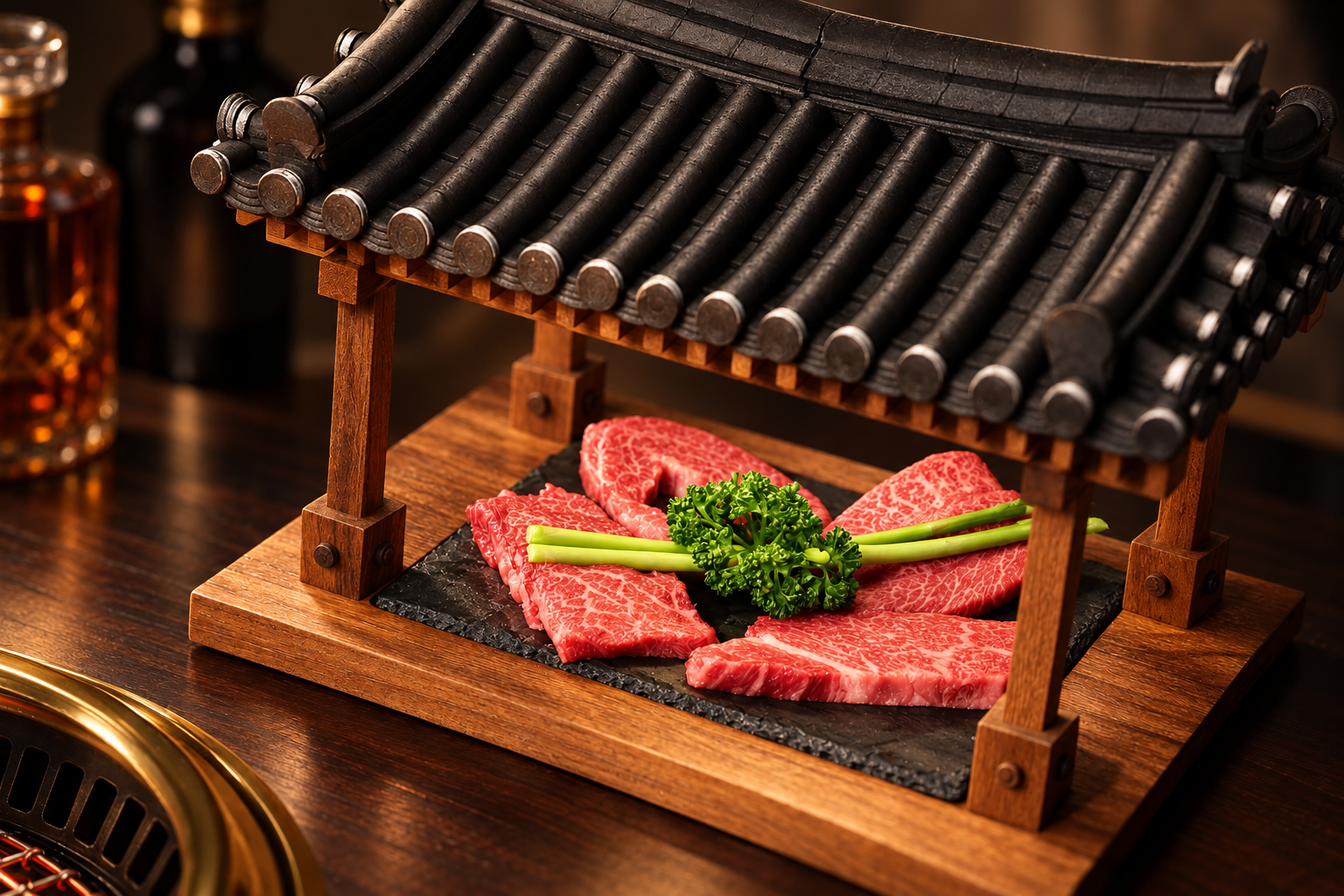
For many travelers visiting Seoul, Myeongdong is where their introduction to Korean food begins. Situated in the heart of the city, this lively neighborhood brings together some of the experiences that make Seoul such a rewarding culinary destination, from the unmistakable aroma of freshly prepared Korean street food to traditional noodle restaurants, contemporary cafés, and premium Korean BBQ establishments.
As evening approaches, Myeongdong takes on a different character. Shopping streets become busier, food stalls begin preparing their specialties, and visitors gather around counters filled with everything from spicy rice cakes and freshly baked egg bread to grilled seafood and Korean desserts. Just beyond the main pedestrian streets, restaurants offer a more relaxed setting to discover the richness and diversity of Korean cuisine.
Although Myeongdong is internationally recognized for shopping and Korean beauty products, its food scene deserves just as much attention. Visitors who explore beyond the street food stalls will discover that the neighborhood offers a wide range of dining experiences, including comforting Korean soups, handmade noodles, traditional rice dishes, and some of the country's most prized ingredients.
Among these, Korean Hanwoo beef holds a particularly distinguished place. For travelers looking to experience a more refined side of Korean dining, premium Korean BBQ offers an opportunity to appreciate the quality, preparation, and traditions behind one of Korea's most celebrated culinary specialties.
Whether you are visiting Seoul for the first time, staying near Myeongdong Station, planning an afternoon of shopping, or searching for a memorable dinner in central Seoul, this Myeongdong Food Guide 2026 will help you discover what to eat, where to go, and how to make the most of the neighborhood's diverse food scene.
Why Myeongdong Is One of the Best Areas for Food in Seoul
Myeongdong has long been one of Seoul's most recognizable neighborhoods, attracting visitors with its concentrated shopping streets, department stores, beauty retailers, hotels, and convenient public transportation.
Its location in Jung-gu places it close to several important attractions, including Myeongdong Cathedral, Namsan, N Seoul Tower, and the historic streets of central Seoul. Travelers can spend an entire afternoon exploring the neighborhood before sitting down to dinner without needing to make a lengthy journey across the city.
What makes Myeongdong especially appealing for food lovers is the variety available within a relatively compact area.
A casual afternoon might begin with a steaming bowl of Korean noodle soup before continuing through the shopping streets, where smaller snacks provide an introduction to familiar Korean flavors. As evening arrives, visitors can choose between bustling street food stalls, traditional Korean restaurants, or a more considered dining experience centered around premium ingredients.
For international travelers, this variety makes Myeongdong an approachable introduction to Korean food. Many restaurants in the area regularly welcome overseas visitors, while photographs, translated menus, and familiar dishes can make ordering easier than in less tourist-oriented neighborhoods.
However, Myeongdong's popularity also means that not every food experience is necessarily exceptional. Some stalls focus primarily on visually striking snacks, while certain restaurants cater almost entirely to passing tourist traffic.
The best way to explore the neighborhood is to understand which Korean dishes are genuinely worth trying and to choose a combination of casual discoveries and more memorable meals.
What to Eat in Myeongdong: 10 Korean Foods Worth Trying
Myeongdong offers an impressive introduction to Korean cuisine, but arriving without a plan can make choosing between the many available foods surprisingly difficult.
Rather than attempting to sample everything in one visit, consider exploring a selection of dishes that showcase different aspects of Korean cooking, from street food and traditional comfort dishes to carefully prepared Korean barbecue.
1. Tteokbokki (떡볶이) — Korea's Famous Spicy Rice Cakes
Few foods are as closely associated with Korean street food as tteokbokki.
Made with chewy rice cakes typically simmered in a sweet, savory, and spicy gochujang-based sauce, tteokbokki is one of the most recognizable dishes visitors encounter while exploring Seoul.
The appeal lies in the contrast between its pleasantly chewy texture and its bold sauce, which combines sweetness with the distinctive heat of Korean red chili paste.
Depending on the stall, tteokbokki may be served alongside fish cakes, boiled eggs, or other additions that complement the rice cakes.
For first-time visitors, it is worth remembering that the spice level can vary considerably. A dish that appears relatively mild may still feel hot to someone unfamiliar with Korean chili-based cooking.
Tteokbokki is particularly suitable as an afternoon snack while exploring Myeongdong Shopping Street. A smaller portion allows you to experience one of Korea's most familiar street foods without becoming too full for dinner.
2. Gyeranppang (계란빵) — Korean Egg Bread
Gyeranppang, commonly translated as Korean egg bread, is among the most approachable snacks for visitors who prefer something warm, savory, and only mildly sweet.
The dish consists of a small, soft bread baked with an egg, creating a comforting combination of fluffy texture and delicate richness.
Unlike heavily seasoned Korean street foods, gyeranppang is relatively simple, making it particularly enjoyable on cooler days when a freshly baked snack feels especially inviting.
The aroma of warm bread often draws visitors toward the stalls before they even see what is being prepared.
For travelers visiting Seoul during autumn or winter, egg bread is a lovely introduction to the quieter, more comforting side of Korean street food.
3. Hotteok (호떡) — Sweet Korean Pancakes
For anyone with a preference for dessert, hotteok deserves a place on the Myeongdong food itinerary.
These Korean pancakes are traditionally filled with ingredients such as brown sugar, cinnamon, and chopped nuts before being cooked on a hot surface until the outside becomes lightly crisp and the filling softens.
A freshly prepared hotteok offers a wonderful contrast between the warm, slightly chewy dough and its rich, sweet interior.
Although hotteok can be enjoyed throughout the year, it is particularly associated with colder weather, when warm street snacks become even more appealing.
The filling can be extremely hot immediately after cooking, so allowing it to cool slightly is usually worthwhile.
For visitors hoping to experience a classic Korean dessert rather than a trend-driven novelty, hotteok remains an excellent choice.
4. Eomuk (어묵) — Korean Fish Cake Skewers
Eomuk, sometimes referred to as odeng, is a familiar sight at Korean street food stalls.
Thin sheets of processed fish cake are folded onto skewers and gently heated in a savory broth, creating a simple but satisfying snack.
Unlike richer fried street foods, eomuk offers a lighter texture and is often enjoyed with the accompanying warm broth, particularly during cooler months.
The flavor is generally mild and savory, making it a convenient choice between spicier dishes.
Visitors who have already tried tteokbokki may find that eomuk provides a pleasing contrast, especially when enjoyed as part of the same street food experience.
Because fish cake commonly contains seafood and other ingredients, travelers with allergies or dietary restrictions should confirm the ingredients before ordering.
5. Korean Corn Dogs — A Modern Street Food Favorite
Korean corn dogs have become internationally recognizable through social media, but they remain a popular choice for visitors exploring Seoul's street food culture.
Unlike conventional American corn dogs, Korean versions may contain sausage, mozzarella cheese, or a combination of the two. Their coating can also vary, with some featuring breadcrumbs or diced potatoes that create a particularly crisp exterior.
The result is a snack defined by contrasts: crunchy coating, a soft interior, melted cheese, and a combination of sweet and savory seasonings.
While Korean corn dogs are not unique to Myeongdong, the neighborhood is a convenient place to try one during an evening walk.
They are also relatively filling, so travelers planning a substantial Korean BBQ dinner may prefer to share one rather than order several street food items beforehand.
6. Dakgangjeong (닭강정) — Korean Sweet and Crispy Chicken
Korean fried chicken is one of the country's most internationally recognized foods, and dakgangjeong offers a particularly approachable variation.
Usually prepared as small pieces of fried chicken coated in a sticky, sweet, and savory sauce, dakgangjeong is appreciated for its crisp texture and rich glaze.
Some versions introduce additional spice, while others emphasize sweetness or garlic.
For visitors who enjoy Korean fried chicken but do not necessarily want to sit down for a full restaurant meal, this style of chicken can be a satisfying snack while exploring the neighborhood.
The combination of crisp coating and flavorful sauce makes it easy to understand why Korean fried chicken has become so popular internationally.
7. Kalguksu (칼국수) — Traditional Korean Knife-Cut Noodles
Beyond the street food stalls, one of the most rewarding things to eat in Myeongdong is kalguksu.
Kalguksu is a traditional Korean noodle dish made with wheat-flour noodles that are rolled and cut rather than extruded. The noodles are served in broth, although the ingredients and flavor vary according to the restaurant's regional style and recipe.
A well-prepared bowl offers a comforting combination of tender noodles, aromatic broth, and satisfying warmth.
Myeongdong is particularly associated with this dish because of the long-established restaurant Myeongdong Kyoja, known for its kalguksu and Korean dumplings.
For travelers looking for an approachable lunch before exploring the shopping streets, kalguksu offers an alternative to heavier Korean BBQ meals.
It is also a valuable reminder that some of Korea's most memorable foods are built around relatively simple ingredients prepared with consistency and care.
8. Mandu (만두) — Korean Dumplings
Mandu are Korean dumplings that can be filled with various combinations of meat, vegetables, tofu, and seasonings.
They may be steamed, boiled, pan-fried, or served in soup, depending on the restaurant and regional preparation.
For travelers familiar with Chinese dumplings or Japanese gyoza, mandu provide an interesting opportunity to explore the similarities and differences between East Asian dumpling traditions.
In Myeongdong, mandu are particularly well suited to a casual lunch alongside a bowl of kalguksu.
Their comforting filling and soft wrapper make them approachable for first-time visitors, while the different preparations offer enough variety to remain interesting for travelers already familiar with Korean food.
9. Bibimbap (비빔밥) — Korea's Traditional Mixed Rice Dish
Bibimbap is another essential introduction to Korean cuisine.
The dish usually consists of rice topped with a selection of vegetables and other ingredients, which are mixed together before eating. Depending on the version, it may include beef, egg, gochujang, and sesame oil.
What makes bibimbap particularly appealing is the variety of textures and flavors within one bowl.
Fresh or seasoned vegetables provide contrast, while the rice brings the ingredients together into a satisfying meal.
Bibimbap also offers considerable flexibility, making it a useful option for diners who prefer rice dishes to noodles or grilled meat.
However, vegetarian travelers should not assume every bibimbap is meat-free, as some versions contain beef or animal-based sauces and broths.
For visitors looking to experience Korean cuisine beyond the country's most familiar barbecue dishes, bibimbap offers a well-balanced and recognizable introduction.
10. Korean BBQ (한국식 바비큐) — A Must-Try Dining Experience in Seoul
Although street food introduces visitors to the lively and spontaneous side of Korean eating culture, Korean barbecue reveals a different aspect of the country's culinary traditions.
Unlike conventional restaurant meals where each person receives an individually prepared main course, Korean BBQ is centered around a shared grill, carefully selected meat, accompanying side dishes, and conversation.
Depending on the restaurant, guests may cook the meat themselves or have the grilling handled by experienced staff.
Korean BBQ restaurants also differ considerably in the ingredients they specialize in. Some focus on pork belly, others serve imported beef, while premium Korean beef restaurants center their menus around Hanwoo, Korea's native cattle breed.
For international travelers planning one memorable dinner during their Seoul trip, premium Hanwoo Korean BBQ offers the opportunity to discover an ingredient that holds particular significance within Korean dining culture.
At Hanwoojeong in Myeongdong, the focus is on premium 1++ Korean Hanwoo, real charcoal grilling, and attentive table-side service in a refined setting inspired by traditional Korean architecture.
For visitors unfamiliar with Korean BBQ, our Myeongdong Korean BBQ Guide for First-Time Visitors explains how the dining experience works, what to order, and how to enjoy different cuts of Korean beef.
Myeongdong Street Food vs. Korean Restaurants: Which Is Better?
One of the most common questions travelers ask when planning a Myeongdong food itinerary is whether they should focus on street food or book a proper restaurant.
The answer depends on what you want from the experience.
Myeongdong street food is best approached as a way to explore small portions, discover unfamiliar flavors, and enjoy the energy of the neighborhood. It is spontaneous, informal, and particularly convenient for visitors who want to try several snacks without committing to a full meal.
Restaurants offer a different kind of experience, particularly when the food requires careful preparation or benefits from being enjoyed slowly.
A bowl of handmade noodles can provide a comforting lunch, while a Korean barbecue dinner allows guests to explore different cuts of meat, traditional side dishes, and the shared dining culture that makes Korean BBQ so distinctive.
For visitors with limited time in Seoul, we recommend experiencing both.
Spend part of the afternoon trying a few carefully chosen street foods, then reserve your appetite for a substantial Korean dinner. This approach allows you to appreciate Myeongdong's culinary variety without feeling that you need to choose between casual street food and a restaurant experience.
Where to Go for Food in Myeongdong
Myeongdong's compact layout makes it easy to explore several different dining areas on foot, but understanding the neighborhood's general geography can help you plan your visit more efficiently.
Myeongdong Shopping Street: Best for Korean Street Food
The main pedestrian shopping streets are where visitors encounter the greatest concentration of familiar Myeongdong street food stalls.
The atmosphere is particularly lively from late afternoon into the evening, when vendors prepare snacks and shoppers move between cosmetics stores, fashion retailers, and cafés.
This is the area to explore if your priority is sampling traditional Korean street foods such as tteokbokki, gyeranppang, hotteok, and eomuk, alongside contemporary snacks and desserts.
The selection varies by day, season, and individual vendor, so there is no need to plan every purchase in advance.
Instead, walk through the area first, compare the available options, and choose the dishes that genuinely appeal to you.
Around Myeongdong Cathedral: Best for a More Relaxed Walk
Myeongdong Cathedral provides a quieter contrast to the busiest shopping streets.
The surrounding area offers smaller streets, cafés, restaurants, and places to pause between sightseeing and shopping.
For travelers who want to combine a cultural landmark with a meal, this part of Myeongdong is particularly convenient.
Rather than rushing directly from one food stall to another, take time to explore the nearby streets and discover how the atmosphere changes away from the main pedestrian routes.
The cathedral is also a useful landmark when navigating central Myeongdong, particularly for visitors who are unfamiliar with the neighborhood.
Euljiro 1-ga: Best for Restaurants and Dinner After Shopping
The area around Euljiro 1-ga Station sits immediately beside northern Myeongdong and offers access to department stores, restaurants, hotels, and the wider business district.
For visitors arriving on Seoul Subway Line 2, this is a convenient entry point into Myeongdong.
It is particularly suitable for travelers who have spent the afternoon shopping at Lotte Department Store or exploring the surrounding streets and would prefer a more substantial dinner.
Hanwoojeong is located approximately one minute on foot from Euljiro 1-ga Station Exit 5, making it convenient for guests looking for premium Korean BBQ near the northern side of Myeongdong.
If you are planning to arrive by subway, our Korean BBQ Near Euljiro 1-ga Station Guide provides further information about the area.
Near Lotte Department Store: Best for Shopping and a Proper Dinner
Lotte Department Store is one of the most recognizable shopping destinations around Myeongdong, making it a natural reference point for tourists planning an afternoon in central Seoul.
The surrounding streets offer access to shopping, cafés, hotels, and restaurants, allowing visitors to move from retail therapy into dinner without traveling to another neighborhood.
If your day includes an extended shopping itinerary, reserving a restaurant nearby can be a welcome alternative to making another journey across Seoul after several hours on foot.
For visitors looking for a Korean culinary experience beyond the department store food halls, premium Korean BBQ is particularly well suited to an evening meal.
Namdaemun Market: Best for Traditional Market Food
Travelers who want to experience a different side of Seoul's food culture can also explore nearby Namdaemun Market.
Located within central Seoul, Namdaemun offers a more traditional market atmosphere, where small food establishments and market stalls form part of a long-established commercial district.
The market is particularly associated with traditional Korean dishes, including kalguksu and other comforting meals that reflect everyday Korean food culture.
It provides an interesting contrast to Myeongdong's more internationally oriented shopping streets.
For travelers spending a full day in central Seoul, visiting both neighborhoods offers a broader view of the city's food culture, from contemporary tourist favorites to traditional market dining.
Where to Eat Dinner in Myeongdong: Choosing the Right Restaurant
While Myeongdong offers an abundance of snacks, a memorable dinner deserves a little more consideration.
For some travelers, dinner is simply a convenient stop between sightseeing activities. For others, it becomes one of the defining experiences of their visit to Seoul.
The most useful approach is to choose the type of meal you want before selecting the restaurant.
For a Casual Korean Dinner
Traditional noodle dishes, rice bowls, stews, and Korean comfort foods are ideal for visitors looking for something satisfying without planning an elaborate evening.
Kalguksu, mandu, bibimbap, and Korean soups are approachable options that allow guests to experience familiar Korean flavors in a relaxed setting.
These dishes are particularly practical for solo travelers or visitors who prefer a straightforward restaurant meal.
For Friends and Families
Korean BBQ is one of the most enjoyable dining formats for groups because the food is designed to be shared.
Rather than ordering completely separate dishes, guests gather around the grill and enjoy different meat selections alongside banchan, sauces, rice, noodles, and other accompaniments.
The experience encourages conversation and creates a natural rhythm as different cuts are prepared throughout the meal.
For groups visiting Korea together, it can also become an enjoyable introduction to Korean dining customs.
For Couples and Special Occasions
Travelers celebrating an anniversary, planning a date night, or simply looking for a special dinner may prefer a restaurant with a more intimate atmosphere and a focus on premium ingredients.
In Korea, Hanwoo is particularly associated with meaningful dining occasions because of its quality, reputation, and cultural significance.
A premium Korean BBQ restaurant provides an opportunity to enjoy beautifully marbled Korean beef while experiencing a style of dining that remains warm, social, and distinctly Korean.
For visitors who want to experience this side of Seoul's food culture, Hanwoojeong offers premium Hanwoo in a setting inspired by traditional Korean design.
Why Premium Hanwoo Korean BBQ Is Worth Trying in Myeongdong
Many international visitors arrive in Korea already familiar with Korean BBQ, but fewer have experienced Hanwoo.
Hanwoo, written 한우 in Korean, refers to Korea's native cattle breed and is particularly valued for its marbling, tenderness, and distinctive beef flavor.
While Korean BBQ can involve many types of beef and pork, premium Hanwoo occupies a special place within the country's culinary traditions.
One of the most interesting characteristics of Hanwoo is the variety offered by its individual cuts.
Ribeye provides a familiar balance of marbling and beef flavor, while ribeye cap is prized for its exceptionally tender texture. Chuck flap tail, known as salchisal in Korean, offers another expression of richness, and short rib provides a slightly more substantial texture with pronounced savory depth.
These differences become especially noticeable when several cuts are tasted during the same meal.
Premium Hanwoo is also commonly appreciated with relatively simple seasonings, allowing the natural flavor of the beef to remain central to the experience.
For travelers who want to understand why Korean beef occupies such a distinguished position in Korea, our What Is Hanwoo? Complete Guide to Korean Beef explores its origins, grading system, marbling, and culinary significance.
You can also explore the differences between individual selections through our Hanwoo Cuts Guide.
Where to Try Premium 1++ Hanwoo Korean BBQ in Myeongdong
For visitors searching for premium Korean BBQ in Myeongdong, Hanwoojeong offers a dining experience centered around Korea's highest official beef quality-grade category, 1++ Hanwoo.
Located in the heart of Myeongdong, the restaurant brings together carefully selected Hanwoo cuts, charcoal grilling, and attentive table-side service within an interior inspired by traditional Korean architectural elements.
Warm wood tones, considered details, and a calm dining atmosphere create a setting that feels connected to Korean heritage while remaining comfortable for contemporary diners.
Rather than relying on elaborate presentation alone, the experience focuses on the quality of the ingredient and the care taken in its preparation.
At Hanwoojeong, staff assist with grilling the beef over real charcoal, allowing guests to enjoy each cut without needing to manage the cooking process themselves.
This is particularly valuable for international visitors who may be unfamiliar with the differences between Korean beef cuts or how quickly highly marbled Hanwoo can cook.
For those experiencing premium Korean beef for the first time, a tasting set provides an opportunity to compare several cuts during one meal.
Hanwoojeong's Premium Hanwoo Tasting Sets
The restaurant's current menu includes three curated 1++ Hanwoo tasting sets.
The Hanwoo 400 Set, priced at ₩165,000, includes 400 g of premium Korean beef across four cuts: ribeye, short rib, chuck flap tail, and ribeye cap, together with one side dish.
The Hanwoo 500 Set, priced at ₩195,000, expands the selection to five cuts by adding top blade, providing a broader comparison of textures and flavors.
For guests who prefer a more extensive tasting experience, the Hanwoo 600 Set, priced at ₩220,000, features six different Hanwoo cuts, including short plate, together with one side dish.
Each selection allows diners to explore premium Korean beef through a carefully considered progression of marbling, tenderness, and richness.
Guests can also order individual Hanwoo cuts and additional Korean dishes according to their preferences.
Explore the complete selection through our Hanwoojeong Premium Korean BBQ Menu.
For visitors planning their dining budget, our 2026 Hanwoo Price Guide in Seoul explains how beef grades, cuts, portion sizes, and tasting sets influence the cost of premium Korean BBQ.
What to Order With Korean BBQ in Myeongdong
Korean barbecue is not simply about grilled meat. The accompanying dishes are an essential part of the experience, bringing different textures, temperatures, and flavors to the table.
Traditional Korean banchan, or side dishes, may include kimchi, vegetables, pickles, jeon, japchae, and other preparations that contrast with the richness of the meat.
Seasonings also play an important role.
With premium Hanwoo, a small amount of salt is often enough to enhance the beef's natural flavor, while ssamjang, garlic, and other condiments allow guests to explore different combinations.
For a more detailed explanation of these accompaniments, read our Korean BBQ Sauces and Banchan Guide.
At Hanwoojeong, diners can also complete their meal with a selection of Korean specialties.
Brisket soybean stew offers a comforting, savory finish, while mul naengmyeon provides a refreshing contrast through its chilled broth and noodles. Guests who prefer a stronger flavor may enjoy spicy bibim naengmyeon, while dishes such as truffle Jjapagetti, Hanwoo brisket ramen, and short rib kimchi fried rice introduce more contemporary interpretations of familiar Korean flavors.
For adventurous food lovers, Hanwoo yukhoe, or Korean beef tartare, offers another way to appreciate Korean beef beyond the grill.
Our Korean Raw Beef and Yukhoe Guide explains the dish's traditional preparation and place within Korean dining culture.
Myeongdong Food Itinerary: How to Spend One Perfect Food-Focused Day
A thoughtfully planned day in Myeongdong allows you to experience several different aspects of Korean food without making the afternoon feel like an endless sequence of meals.
Late Morning: Arrive in Myeongdong and Explore the Neighborhood
Begin your visit in the late morning, when the shopping streets are generally more comfortable to explore than during the busiest evening period.
Take time to walk through the neighborhood, visit Myeongdong Cathedral, and become familiar with the main shopping areas before the food stalls become more active later in the day.
If you are hungry, consider a light Korean breakfast or coffee and pastry from one of the neighborhood's cafés.
Lunch: Enjoy Traditional Korean Comfort Food
For lunch, choose a Korean dish that offers a satisfying introduction without being excessively heavy.
Kalguksu and mandu are excellent choices, particularly for visitors who appreciate traditional noodle dishes and comforting flavors.
Alternatively, bibimbap or a Korean stew can provide a balanced meal before an afternoon of shopping and sightseeing.
Afternoon: Discover Myeongdong Shopping Street
Spend the afternoon exploring Myeongdong's cosmetics stores, fashion retailers, department stores, and smaller shopping streets.
As the street food vendors begin operating, take time to sample one or two snacks that interest you.
A freshly prepared hotteok, gyeranppang, or small portion of tteokbokki offers an enjoyable introduction to Korean street food without taking away your appetite for dinner.
Evening: Enjoy Premium Korean BBQ
After several hours of shopping and sightseeing, a proper Korean BBQ dinner provides a satisfying conclusion to the day.
For travelers interested in premium Korean cuisine, a Hanwoo tasting experience offers a contrast to the more casual foods enjoyed earlier.
At Hanwoojeong, guests can discover several cuts of 1++ Korean beef, prepared over charcoal by staff at the table, while enjoying traditional accompaniments in a refined dining environment.
After Dinner: Experience Myeongdong at Night
If you still have energy after dinner, continue exploring the neighborhood after dark.
Myeongdong's illuminated streets, cafés, shops, and nearby central Seoul attractions create an enjoyable evening atmosphere.
For visitors staying locally, the convenience of returning to a nearby hotel makes Myeongdong particularly appealing as a dinner destination.
How Much Does Food Cost in Myeongdong in 2026?
One of the reasons Myeongdong attracts such a broad range of travelers is that it offers food at very different price points.
Street food is generally the most flexible option, allowing visitors to purchase individual snacks without committing to a complete restaurant meal.
Traditional noodle dishes, rice dishes, and Korean comfort foods usually occupy a more accessible price range than premium meat-focused restaurants.
Korean BBQ prices vary much more significantly because the type of meat makes a considerable difference.
A casual pork belly restaurant, an all-you-can-eat barbecue restaurant, and a premium 1++ Hanwoo restaurant should not be compared as though they offer the same ingredients or dining experience.
For reference, Hanwoojeong's current premium 1++ Hanwoo tasting sets range from ₩165,000 to ₩220,000, with individual cuts available separately.
The most sensible approach to budgeting for Myeongdong food is to decide which experiences matter most to you.
If premium Korean beef is one of your culinary priorities, setting aside a larger portion of your food budget for a considered Hanwoo dinner may be more rewarding than spending the same amount across several unrelated snacks.
Practical Tips for Eating in Myeongdong as a Tourist
Understanding a few practical details can make your dining experience considerably more enjoyable.
Street food availability changes throughout the day, with many vendors becoming more active during the late afternoon and evening. Exact operating times vary according to the stall, weather, season, and individual business.
For restaurants, popular dinner periods can become busy, particularly on weekends and public holidays. If there is a specific restaurant you want to experience, checking availability and making a reservation in advance is often worthwhile.
Travelers should also be aware that Korean food can contain ingredients that are not immediately visible, including seafood-based broths, fermented sauces, sesame, soy, and other common allergens. If you have dietary restrictions, confirm ingredients directly with the restaurant rather than relying only on the appearance of the dish.
For visitors who do not speak Korean, having the restaurant name and address saved in Korean can make navigation easier. Local map applications may also be useful when locating entrances to restaurants situated above street level.
Finally, remember that good Korean food does not always require an elaborate itinerary. A simple bowl of noodles, a warm street snack, and a memorable Korean BBQ dinner can reveal very different sides of Seoul's culinary culture in a single day.
Frequently Asked Questions About Food in Myeongdong
-
Myeongdong is particularly famous among international travelers for its lively street food scene, where visitors can try Korean snacks such as tteokbokki, gyeranppang, hotteok, eomuk, Korean corn dogs, and fried chicken. The neighborhood also offers traditional Korean noodle restaurants, rice dishes, cafés, and Korean BBQ restaurants, including establishments specializing in premium Hanwoo beef.
-
For your first visit, consider trying tteokbokki for a classic spicy Korean street food experience, gyeranppang or hotteok for a warm snack, and kalguksu or mandu for a traditional Korean lunch. For dinner, Korean BBQ offers a more complete introduction to Korea's shared dining culture, particularly if you are interested in tasting different cuts of premium Korean beef.
-
Yes. Myeongdong is a convenient area to experience Korean BBQ because it is centrally located and easily accessible from major tourist attractions and shopping districts. Restaurants offer different styles of barbecue, from casual dining to premium beef experiences. Hanwoojeong specializes in 1++ Korean Hanwoo, charcoal grilling, and table-side service in central Myeongdong.
-
Hanwoojeong is a premium Korean BBQ restaurant located at 3F, 44 Myeongdong 3-gil, Jung-gu, Seoul. The restaurant specializes in 1++ Korean Hanwoo beef, offering curated tasting sets and individual cuts prepared over real charcoal. Guests can review the current menu and make reservations through the restaurant's official website.
-
The streets surrounding Myeongdong Station offer numerous restaurants, cafés, and street food vendors. Hanwoojeong is located farther north within the Myeongdong area, approximately a ten-minute walk from Myeongdong Station Exit 6 and about one minute from Euljiro 1-ga Station Exit 5.
-
Hanwoo is Korea's native cattle breed and is particularly valued for its marbling, tenderness, and characteristic beef flavor. Premium 1++ Hanwoo represents the highest official quality-grade category within Korea's beef grading system. It is commonly enjoyed through Korean BBQ, where different cuts are grilled and shared with traditional side dishes.
-
At Hanwoojeong, premium 1++ Hanwoo cuts are individually priced according to the selection, while curated tasting sets currently start at ₩165,000 for 400 g. A 500 g set costs ₩195,000, and a 600 g set costs ₩220,000. Each tasting set includes one side dish. The final amount depends on additional dishes and beverages ordered.
-
Hanwoojeong is located at 3F, 44 Myeongdong 3-gil, Jung-gu, Seoul. The nearest subway access is Euljiro 1-ga Station on Line 2, Exit 5, approximately one minute away on foot. Visitors arriving from Myeongdong Station on Line 4 can use Exit 6 and walk approximately ten minutes. Detailed directions are available on the Hanwoojeong Location and Directions page.
Discover the Best of Myeongdong Food in 2026
Myeongdong's appeal lies in its ability to bring together many different expressions of Korean food within one neighborhood.
A single afternoon can introduce visitors to the warmth of freshly prepared egg bread, the bold flavors of tteokbokki, the comfort of traditional Korean noodle soup, and the lively atmosphere of Seoul's street food culture.
Yet the neighborhood's culinary character extends well beyond its outdoor stalls.
For those willing to explore further, Myeongdong offers an opportunity to appreciate the depth of Korean cuisine through traditional dishes, carefully selected ingredients, and dining experiences that encourage guests to slow down and enjoy the moment.
Among these experiences, premium Korean Hanwoo BBQ remains a particularly meaningful introduction to the country's food culture. The distinction lies not simply in the quality of the beef, but in the care given to its preparation, the variety of individual cuts, and the shared experience around the Korean dining table.
At Hanwoojeong, we bring these elements together through premium 1++ Korean Hanwoo, traditional charcoal grilling, attentive table-side service, and an atmosphere inspired by Korea's architectural heritage.
Whether you are planning your first Seoul food itinerary or returning to discover a more refined side of Korean dining, we invite you to explore everything Myeongdong has to offer.
HANWOOJEONG — Where Hanwoo Meets Tradition
Premium 1++ Hanwoo Korean BBQ in Myeongdong, Seoul
Address: 3F, 44 Myeongdong 3-gil, Jung-gu, Seoul, South Korea
Nearest Station: Euljiro 1-ga Station, Line 2, Exit 5
Opening Hours: Daily, 11:30 AM – 2:00 AM
➝ Explore the Hanwoojeong Menu
