
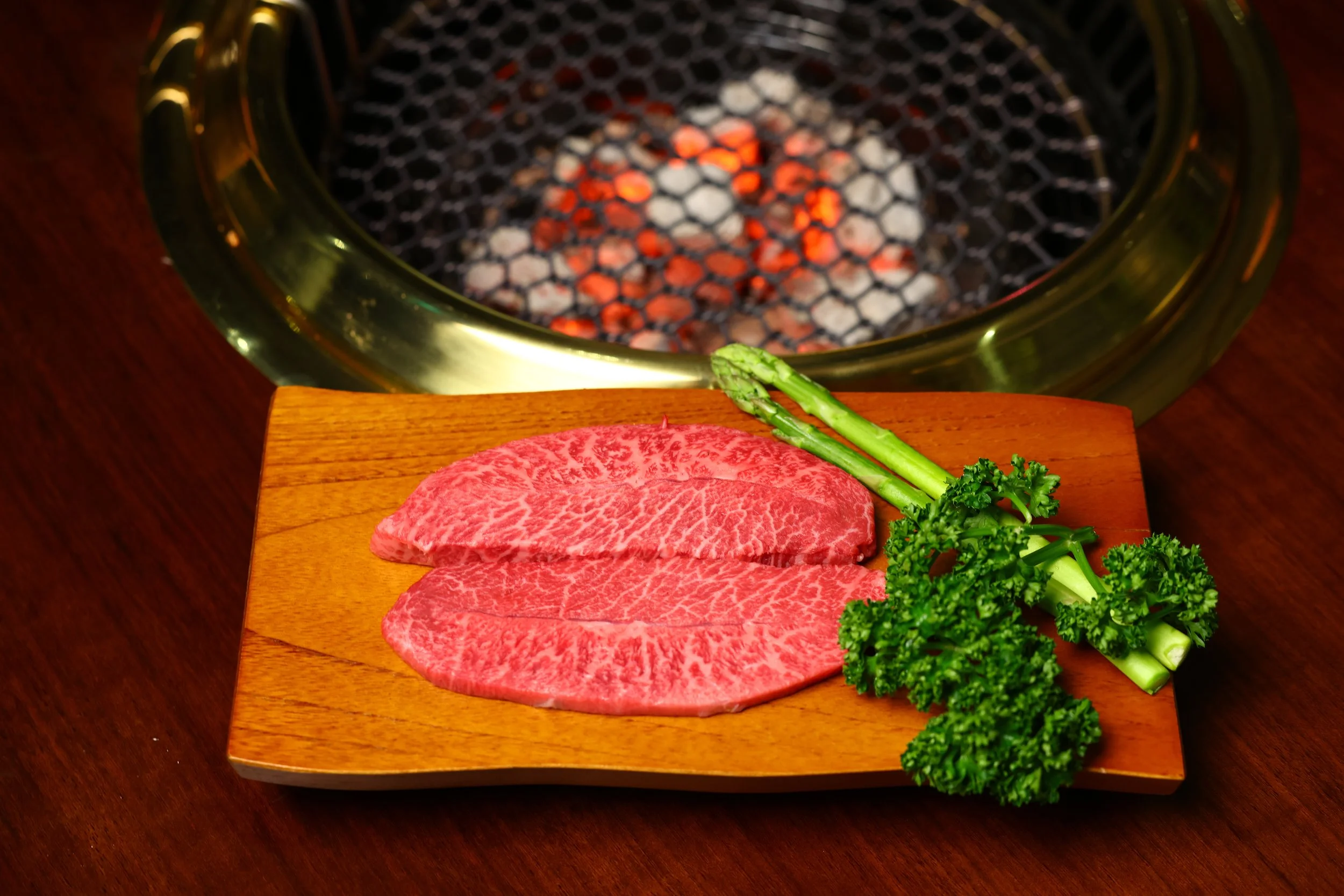
For many first-time visitors to Seoul, Myeongdong is one of the first neighborhoods they experience. The area is centrally located, easy to reach by subway and filled with shopping streets, cosmetics stores, department stores, hotels, cafés and restaurants. It is also within easy reach of landmarks such as Myeongdong Cathedral, Namsan and N Seoul Tower, making it a natural base for travelers who want to explore central Seoul without spending much of their day moving between distant neighborhoods.
Among the many things visitors want to experience in Korea, Korean BBQ is usually high on the list. The appeal is easy to understand. Meat is grilled directly at the table, several dishes are shared rather than individually plated, banchan fills the table, and diners can change the flavor of each bite using sauces, vegetables and seasonings. Unlike a conventional steak dinner, Korean BBQ is interactive and constantly changing throughout the meal.
However, walking into a Korean BBQ restaurant for the first time can also be confusing. Menus may contain unfamiliar cuts, different grades of Korean beef, raw beef dishes and terms such as Hanwoo, salchisal, yukhoe and ssamjang. Some restaurants specialize in pork, others in imported beef, and premium Korean beef restaurants may focus specifically on Hanwoo. The grilling process can also vary, with guests cooking their own meat at some restaurants while staff handle the grill at others.
If you are searching for Myeongdong Korean BBQ during your first trip to Seoul, understanding a few basics before you sit down can make the experience much more enjoyable. This guide explains what Korean BBQ actually involves, what to order, how premium Hanwoo differs from ordinary beef, what sauces and side dishes to expect, and how to approach the meal without feeling as though there is a complicated set of rules to follow.
Why Myeongdong Is a Convenient Place to Try Korean BBQ
Myeongdong is particularly convenient for visitors because dining can easily be combined with the rest of a Seoul itinerary. Many travelers spend the afternoon shopping along Myeongdong’s main streets, visiting Myeongdong Cathedral or exploring nearby department stores before looking for somewhere to eat in the evening. Rather than traveling across the city specifically for dinner, Korean BBQ can fit naturally into the end of the day.
The neighborhood is served by Myeongdong Station on Line 4 and is also closely connected to Euljiro 1-ga Station on Line 2, giving visitors several ways to reach the area. This makes Myeongdong Korean BBQ convenient not only for travelers staying locally but also for guests arriving from areas such as Seoul Station, Dongdaemun, Seongsu or other parts of central Seoul.
Hanwoojeong is located on the third floor of 44 Myeongdong 3-gil in Jung-gu, within the wider Myeongdong shopping district and close to Euljiro 1-ga Station. For guests planning their route in advance, our Hanwoojeong Myeongdong location and directions page provides information about nearby subway stations, landmarks and access to the restaurant.
The central location also makes Korean BBQ suitable for both lunch and dinner. A premium Korean beef meal can become the main event of the evening, but it can just as easily be incorporated into a shopping day or sightseeing itinerary before continuing elsewhere in Seoul.
What Exactly Is Korean BBQ?
Korean BBQ is a style of dining in which meat is grilled at or immediately beside the table and eaten together with a selection of sauces, banchan and other dishes. The exact format varies considerably depending on the restaurant.
Some Korean BBQ restaurants focus almost entirely on pork belly, known as samgyeopsal, while others specialize in beef, pork ribs or marinated meats. Premium Korean beef restaurants may center the experience around Hanwoo, Korea’s native cattle, while more casual restaurants frequently serve imported beef alongside domestic products.
This distinction is important because “Korean BBQ” describes a dining style rather than one specific meat.
A restaurant specializing in premium 1++ Hanwoo provides a very different experience from an inexpensive pork belly restaurant, even though both technically fall under the Korean BBQ category.
At Hanwoojeong, the focus is premium 1++ Hanwoo Korean BBQ, with different beef cuts served progressively so guests can compare marbling, tenderness, texture and flavor throughout the meal. Staff grill the meat at the table, which is particularly useful for international visitors who may be unfamiliar with how quickly highly marbled beef cooks.
If you are interested in understanding the fundamentals of Korean beef before choosing a cut, our What Is Hanwoo? guide provides a detailed introduction.
What Is Hanwoo and Why Should First-Time Visitors Know About It?
Hanwoo, written 한우 in Korean, refers to Korea’s native cattle. It is one of the country’s most highly regarded food products and occupies a premium position within Korean dining culture.
Not all beef served in Korea is Hanwoo.
This distinction is particularly important for international travelers, because the words “Korean BBQ” do not automatically mean that the restaurant serves Korean beef. Imported beef from countries such as Australia or the United States is common in Korea and can be found across many different types of barbecue restaurants.
Hanwoo is valued for its tenderness, marbling and characteristic balance between rich fat and recognizable beef flavor. At the highest quality levels, the marbling can be extensive, although the Hanwoo experience should not be reduced to visible fat alone. Different cuts provide very different textures, and many Korean beef enthusiasts pay close attention to the specific cut rather than simply ordering whatever appears most heavily marbled.
For a first-time visitor, this distinction helps explain why the price of Korean BBQ can vary so dramatically from one restaurant to another. A casual pork barbecue meal and a premium 1++ Hanwoo dinner are fundamentally different experiences with different ingredients, service styles and price points.
What Does 1++ Hanwoo Mean?
If you begin researching premium Korean BBQ in Seoul, you will quickly encounter the term 1++ Hanwoo.
Korea uses its own beef quality-grading system, and 1++ represents the highest quality category. Although marbling plays an important role in the evaluation, it is not the only characteristic considered. Meat color, fat color, texture and maturity are also part of the assessment.
For diners, the most important thing to understand is that the grade and the cut tell you different things.
The 1++ designation indicates that the beef has achieved the highest quality category within Korea’s grading system, but it does not mean that every 1++ cut will taste identical. Ribeye, ribeye cap, chuck flap tail and short rib can all have noticeably different textures and levels of richness even when they come from premium-grade Hanwoo.
This is why a multi-cut Hanwoo meal can be much more informative than ordering one large portion of a single steak.
Our Understanding 1++ Hanwoo guide explains Korea’s beef-grading system in greater detail for visitors who want to know what the label actually represents.
Which Korean BBQ Meat Should a First-Time Visitor Order?
There is no single correct order because Korean BBQ can range from pork belly to premium Hanwoo. The right choice depends largely on what kind of experience you want.
If your main goal is to have a casual, social Korean BBQ experience, pork belly and other pork cuts are approachable and widely available. If your priority is premium beef and you specifically want to experience a product that is closely connected with Korea, Hanwoo is the more distinctive option.
Within Hanwoo itself, first-time diners do not necessarily need to choose only one cut.
A curated set that includes several cuts allows diners to experience the differences directly. Ribeye can provide a balanced introduction, ribeye cap emphasizes tenderness and richness, chuck flap tail offers another combination of marbling and beef character, while short rib tends to provide a slightly more substantial texture and pronounced savory flavor.
This progression makes the meal easier to understand because each cut becomes a point of comparison for the next.
For a detailed breakdown of these differences, our Hanwoo Cuts Guide explains the characteristics of the premium cuts commonly served at Hanwoojeong.
Hanwoo Ribeye: A Good Starting Point
Ribeye is an excellent starting point for international visitors because it is already familiar to many diners.
Premium Hanwoo ribeye typically combines visible intramuscular marbling with a recognizable beef texture, producing a balanced experience that is neither solely about fat nor solely about lean meat. When cooked correctly, the surface develops browning while the interior remains tender and juicy.
Because many travelers have eaten ribeye in their home countries, tasting a Hanwoo version provides a useful reference point. You can focus on how the fat, tenderness and flavor differ rather than simultaneously trying to understand an unfamiliar cut.
For diners who do not know where to begin with premium Korean beef, ribeye is therefore one of the easiest introductions.
Ribeye Cap: For Diners Who Prefer Richness
Ribeye cap is generally richer and softer than the central ribeye, making it especially appealing to diners who enjoy highly marbled premium beef.
The fine intramuscular fat contributes to a particularly tender mouthfeel, and relatively small portions can feel quite luxurious. Because of this richness, ribeye cap is often more interesting when tasted alongside other cuts rather than eaten as the only meat during the entire meal.
The comparison between ribeye and ribeye cap is also a simple way for first-time diners to understand why the cut matters even when the overall beef grade remains the same.
Chuck Flap Tail: Discovering Salchisal
Chuck flap tail is known as salchisal, or 살치살, in Korean and is one of the cuts international visitors may first encounter specifically through a Korean beef restaurant.
Premium salchisal can display striking marbling while retaining enough structure to preserve a strong beef character. It is particularly interesting for visitors who want to go beyond cuts they already recognize from Western steakhouse menus.
Trying salchisal in Korea also introduces diners to the way Korean beef culture categorizes and values individual parts of the animal. Rather than viewing beef simply as steak, Korean diners often develop strong preferences for particular cuts because each provides a different balance of texture, fat and flavor.
Short Rib and the Difference Between Fresh Hanwoo and Marinated Galbi
International diners are often familiar with Korean short rib through galbi, which may be marinated with soy sauce, garlic, sweetness and other seasonings.
Premium Hanwoo short rib can also be enjoyed with far less seasoning, allowing the flavor of the beef itself to remain central.
This creates a very different experience from conventional marinated galbi. The texture of the cut becomes more noticeable, and the relationship between marbling and muscle structure becomes easier to appreciate.
For first-time visitors, trying both styles at different points during a trip can help illustrate how diverse Korean beef cuisine actually is.
Should You Order a Hanwoo Set?
For travelers trying Hanwoo for the first time, a curated set is often one of the most practical ways to order.
Rather than committing to a large portion of one cut, several diners can share different cuts and compare their characteristics throughout the meal.
At Hanwoojeong, the current menu includes curated 1++ Hanwoo sets as well as individual cuts, allowing guests to choose between a broad introduction and a more targeted order. Visitors who want to plan their meal in advance can explore the Hanwoojeong 1++ Hanwoo Menu.
A set is particularly useful for couples, families or small groups because Korean BBQ is inherently designed around sharing. Each cut can be divided around the table, giving everyone an opportunity to taste the same progression.
Do You Grill Korean BBQ Yourself?
This depends entirely on the restaurant.
At casual Korean BBQ restaurants, customers may be expected to handle the grill themselves. At other restaurants, particularly those specializing in premium meat, staff may grill the beef directly at the table.
At Hanwoojeong, staff handle the table-side grilling so that different Hanwoo cuts can be prepared according to their thickness, marbling and texture.
This is especially useful with 1++ Hanwoo because heavily marbled beef can cook quickly. Leaving a delicate cut over high heat for too long can change the texture and render away more fat than intended.
For international visitors who may be nervous about Korean BBQ etiquette or cooking technique, staff grilling also removes much of the uncertainty. Guests can concentrate on tasting the beef rather than constantly wondering when to turn it.
How Well Done Should Hanwoo Be?
There is no universal doneness that every diner must follow, and personal preference remains important.
However, premium highly marbled beef is generally not intended to spend a long time on the grill. The objective is to develop flavor and browning on the exterior while keeping the interior tender and juicy.
Because Korean BBQ pieces are often smaller than Western steaks, the difference between properly cooked and overcooked can occur quickly.
This is another reason table-side grilling can be useful for premium Hanwoo.
If you prefer your meat more thoroughly cooked, communicate that preference. A good dining experience should still respect the guest’s comfort rather than treating one doneness level as a rigid rule.
What Sauces Come With Korean BBQ?
Korean BBQ sauces vary significantly by restaurant.
The most recognizable traditional condiment is ssamjang, a fermented sauce commonly based on soybean paste and chili paste. Salt is another important accompaniment, particularly for high-quality beef because it enhances the meat without hiding its natural flavor.
At Hanwoojeong, the sauce and seasoning selection includes salt, wasabi with ginger, chimichurri, truffle mayo, cumin, ssamjang and mustard. This allows guests to experience the same cut through a variety of flavor profiles, ranging from simple and traditional to sharper, richer and more contemporary combinations.
We generally recommend tasting a new premium cut simply first, particularly with salt or minimal seasoning. Once you understand the natural texture and flavor of the meat, adding another accompaniment becomes more meaningful.
The Korean BBQ Sauces & Banchan Guide explains each of Hanwoojeong’s pairings in greater detail.
What Is Ssamjang?
Ssamjang is one of the most classic Korean BBQ condiments and is traditionally associated with ssam, or wrapped bites of grilled meat and vegetables.
The sauce commonly combines fermented soybean paste with chili paste and additional seasonings, producing a savory, salty and slightly spicy flavor.
With casual Korean BBQ, diners may use ssamjang generously. With premium Hanwoo, however, a smaller amount can be preferable because the sauce has enough character to dominate delicate beef.
There is no requirement to put ssamjang on every bite.
Korean BBQ is fundamentally flexible, and one of the pleasures of the meal is choosing how simple or complex each bite should be.
What Is Banchan?
Banchan refers to the small side dishes served alongside a Korean meal.
For first-time visitors, the arrival of multiple dishes before the main meat can be surprising. These are not simply decorative appetizers. Banchan is integrated into the meal and provides different flavors and textures between bites of grilled meat.
The exact selection varies enormously between restaurants. Common banchan may include kimchi, vegetables, pickles, salads, pancakes and noodle dishes.
At Hanwoojeong, the banchan experience includes freshly prepared dishes such as jeon and japchae, which are made daily. Banchan served with the meal is available with unlimited refills, allowing guests to continue enjoying the side dishes throughout the progression of the BBQ.
This matters particularly with richly marbled meat because changing textures and flavors prevents the meal from becoming overly heavy.
What Is Jeon?
Jeon refers broadly to Korean pan-fried dishes that may include vegetables, meat, seafood or other ingredients.
The texture can range from lightly crisp around the edges to soft and savory through the center, depending on the type of jeon.
For a Korean BBQ meal, jeon works well because it offers a completely different texture from grilled beef. It provides a natural pause between richer cuts and contributes to the feeling of a fuller Korean dining table rather than a meal focused solely on meat.
At Hanwoojeong, jeon is prepared fresh daily as part of the banchan selection.
What Is Japchae?
Japchae is made with Korean glass noodles and vegetables, creating a soft, springy texture and gently savory flavor.
International visitors sometimes know japchae only as a standalone Korean dish, but it can also appear as part of a larger Korean table.
Alongside grilled Hanwoo, japchae provides a softer and lighter contrast to rich beef. At Hanwoojeong, japchae is prepared fresh daily and served as part of the banchan experience.
Should You Wrap Korean BBQ Meat in Lettuce?
The Korean BBQ wrap, or ssam, is one of the most recognizable parts of the experience.
Meat is placed inside a leafy vegetable and may be combined with ssamjang, garlic, chili or other ingredients before being wrapped into one bite.
This is an excellent way to enjoy Korean BBQ, but if you are eating premium Hanwoo for the first time, it can be useful to taste the first piece without wrapping it.
Once several ingredients are combined in one ssam, the natural characteristics of the specific beef cut become less obvious.
Taste the beef simply first. Then create a wrap with the next piece.
This allows you to experience both the meat itself and the traditional Korean combination.
Do You Need to Know Korean BBQ Etiquette?
Not nearly as much as many first-time visitors worry about.
Korean BBQ is meant to be social and enjoyable, and there is no complicated ceremony that tourists need to memorize before entering a restaurant.
Sharing dishes is normal, and meat is generally ordered for the table rather than individually. Banchan sits in the center so everyone can take what they want, and additional dishes can be introduced as the meal progresses.
If staff are handling the grill, allow them to manage the meat rather than repeatedly moving pieces yourself unless they indicate otherwise.
Otherwise, the most important etiquette is simply normal restaurant courtesy.
There is no need to worry about performing Korean BBQ “perfectly.”
What Is Yukhoe?
Yukhoe is Korean seasoned raw beef and is another dish worth knowing if you want to explore Korean beef beyond the grill.
The beef is commonly sliced into thin strips and seasoned with ingredients such as sesame oil, garlic and soy-based seasoning, while Korean pear or egg yolk may also be used depending on the preparation.
The texture is completely different from grilled meat because heat has not changed the beef’s structure or fat.
At Hanwoojeong, Hanwoo yukhoe provides another way to experience premium Korean beef within the same meal.
Our Yukhoe Guide explains the dish, its seasoning, how it differs from steak tartare and the difference between yukhoe and beef sashimi.
Yukhoe vs Beef Sashimi
Although both dishes use raw beef, yukhoe and beef sashimi are not identical.
Yukhoe is a seasoned preparation, while Korean beef sashimi generally keeps the beef much simpler so that its natural texture remains the focus.
For diners comfortable with raw beef, trying both can provide an interesting comparison.
These dishes can also work well before the grill becomes the center of the meal because their chilled, delicate textures provide a clear contrast to the richer aromas and rendered fat of cooked Hanwoo.
Hanwoo vs Wagyu: What Should First-Time Visitors Know?
International travelers frequently recognize the word Wagyu before they encounter Hanwoo, so the two are naturally compared.
They are not the same beef.
Hanwoo represents Korea’s native cattle tradition, while Wagyu refers to recognized Japanese cattle breeds. The two countries also use different grading systems, which means Korean 1++ Hanwoo should not simply be described as Korean A5 Wagyu.
Both can be exceptionally marbled and premium, but their identities, production systems and culinary contexts are different.
If you have already eaten Japanese Wagyu, trying Hanwoo in Korea is worthwhile precisely because it offers another premium beef tradition rather than an imitation of the Japanese experience.
Our Hanwoo vs Wagyu Guide covers the differences in greater depth.
How Much Food Should You Order at Korean BBQ?
Portion size depends on the number of diners, their appetites, the richness of the meat and how many side dishes will be ordered.
Premium Hanwoo is generally richer than leaner everyday beef, which means a moderate amount can feel more substantial than visitors initially expect.
A set designed for sharing can therefore be a useful starting point, particularly when combined with banchan and side dishes.
Rather than ordering a large quantity immediately, it can be more enjoyable to begin with a curated selection, compare the cuts and add more afterward if necessary.
This also gives diners the opportunity to reorder whichever cut they enjoyed most instead of committing to large amounts before knowing their preferences.
What Should You Eat After the Meat?
Korean BBQ does not necessarily end when the final piece of beef leaves the grill.
Rice, noodles, stew and other dishes often appear toward the end of a meal.
The exact options depend on the restaurant, but these dishes create a natural transition away from the richness of grilled meat.
At Hanwoojeong, side dishes on the menu include options such as soybean stew, naengmyeon, ramyeon and rice-based dishes. Visitors can view the current options through the Hanwoojeong Menu before arriving.
For a first Korean BBQ experience, saving some appetite for one finishing dish can make the meal feel more complete.
Korean BBQ for Couples
Korean BBQ works particularly well for couples because the sharing format allows two diners to experience several cuts without each ordering a separate full-size steak.
A multi-cut Hanwoo set can provide enough variety for both diners to compare their preferences while still leaving room for raw beef, side dishes or a finishing dish.
The interactive nature of table-side grilling also makes the meal feel more experiential than a conventional plated dinner.
For visitors planning a date night during a Seoul trip, a premium Korean BBQ dinner in Myeongdong can also be easily combined with shopping, Namsan or an evening walk through central Seoul.
Korean BBQ for Families and Groups
Groups benefit even more from the sharing format.
Several cuts can be ordered and divided around the table, making it possible for each person to sample a broader selection.
The variety of banchan and side dishes also means diners with different preferences can build the meal differently.
For international families traveling together, staff-grilled premium Korean BBQ can be particularly convenient because nobody at the table needs to take responsibility for managing the grill throughout dinner.
Is Korean BBQ Good for Solo Travelers?
This depends on the restaurant.
Some Korean BBQ restaurants are designed primarily around groups and may require minimum meat orders or have different policies for solo diners. Travelers dining alone should therefore check the restaurant’s current reservation and seating policies in advance rather than assuming that every Korean BBQ restaurant accepts single diners at all times.
Premium beef restaurants in particular may structure their sets around two or more people.
If you are traveling alone, checking ahead is the safest option.
Lunch or Dinner: When Should You Eat Korean BBQ in Myeongdong?
Both can work well.
Lunch is generally quieter and can fit naturally into a shopping or sightseeing day. It may also be preferable for visitors who want to experience premium Hanwoo without planning an entire evening around dinner.
Dinner creates a more atmospheric experience, especially after Myeongdong becomes busier in the evening.
Late dining is another advantage for travelers whose sightseeing days run longer than expected.
Hanwoojeong is open daily from 11:30 a.m. until 2:00 a.m., making it possible to dine well beyond conventional dinner hours.
This can be particularly useful for international visitors arriving late from tours, shopping or evening activities.
Korean BBQ After Shopping in Myeongdong
One of the easiest ways to plan Korean BBQ into a Seoul trip is to make it the final stop after an afternoon of shopping.
Myeongdong Shopping Street, Lotte Department Store and Shinsegae Department Store are all within the wider central shopping area. Rather than leaving the neighborhood immediately after the stores close, visitors can transition directly into dinner.
For guests staying in nearby hotels, this also eliminates the need for another long subway journey after a substantial meal.
A location-focused itinerary might involve shopping during the afternoon, visiting Myeongdong Cathedral around sunset and finishing with Hanwoo Korean BBQ before returning to the hotel.
Korean BBQ Near Myeongdong Cathedral
Myeongdong Cathedral is one of the neighborhood’s most recognizable landmarks and can easily be combined with dinner nearby.
Hanwoojeong is within the broader Myeongdong district, allowing visitors to continue on foot from the cathedral toward the restaurant.
This makes Korean BBQ a practical option both before and after sightseeing, particularly for visitors who prefer building an itinerary around walkable destinations rather than repeatedly using public transportation.
Korean BBQ Near Euljiro 1-ga Station
Myeongdong and Euljiro connect naturally along the northern side of the neighborhood.
Hanwoojeong is particularly convenient from Euljiro 1-ga Station, making Line 2 a useful route for visitors arriving from other Seoul neighborhoods.
Travelers staying around Myeongdong should therefore not limit restaurant searches only to addresses immediately beside Myeongdong Station. The neighborhood extends toward Euljiro, where many restaurants remain within easy walking distance of Myeongdong’s main shopping streets.
How to Choose a Korean BBQ Restaurant in Myeongdong
With so many restaurants competing for attention in a major tourist district, a first-time visitor should look beyond photographs of meat and generic claims about quality.
Begin with menu transparency.
A good premium beef restaurant should explain what type of beef it serves, what grade it is and which cuts are included. If a restaurant uses Hanwoo, that information should be clear.
Next, consider whether the service style matches your preferences. Some visitors enjoy grilling their own meat, while others prefer staff table-side service.
Look at the side dishes and overall menu rather than judging the restaurant solely by the main beef platter. Banchan, raw beef preparations, stew, rice and noodles all contribute to the complete meal.
Finally, consider location, opening hours and reservation policies. The best restaurant on paper is not particularly useful if it does not fit your actual Seoul itinerary.
Where to Try Premium 1++ Hanwoo Korean BBQ in Myeongdong
Hanwoojeong is a premium Korean BBQ restaurant located in Myeongdong, specializing in 1++ Korean Hanwoo.
The restaurant combines premium beef, table-side grilling, freshly prepared banchan and a hanok-inspired interior designed to introduce Korean dining traditions in a refined but accessible way.
Guests can explore different Hanwoo cuts through curated selections, experience raw dishes such as yukhoe and beef sashimi, and pair the meat with a range of Korean and contemporary sauces.
The banchan experience includes fresh daily jeon and japchae with unlimited refills, while the broader menu provides side dishes that can complete the meal after the grill.
The restaurant’s location in central Myeongdong also makes it convenient for visitors combining Korean BBQ with shopping, sightseeing or an evening around Namsan.
For current dishes and prices, see the Hanwoojeong 1++ Hanwoo Menu, and for directions, see the Myeongdong location guide.
Frequently Asked Questions About Myeongdong Korean BBQ
-
Yes. Myeongdong is particularly convenient for international visitors because Korean BBQ can easily be combined with shopping, hotels, Myeongdong Cathedral, department stores and nearby central Seoul attractions. The neighborhood offers a wide range of Korean BBQ styles, from casual meat restaurants to premium Hanwoo dining.
-
There is no single best option. Pork belly is an approachable introduction to casual Korean BBQ, while premium Hanwoo offers a more distinctive Korean beef experience. First-time Hanwoo diners may benefit from ordering a multi-cut set rather than choosing only one cut.
-
Hanwoo is Korea’s native cattle and is one of the country’s most highly valued premium beef products. It is separate from imported beef and from Japanese Wagyu. Premium Hanwoo is known for marbling, tenderness and strong beef flavor.
-
1++ is the highest quality category within Korea’s beef-grading system. Marbling is important to the grade, but meat color, fat color, texture and maturity are also evaluated.
-
No. Hanwoo is Korean, while Wagyu refers to recognized Japanese cattle breeds. They are graded using separate national systems and should be understood as different premium beef traditions.
-
It depends on the restaurant. Some restaurants allow guests to grill their own meat, while others provide staff grilling. At Hanwoojeong, staff grill the Hanwoo directly at the table.
-
Ssamjang is a fermented Korean BBQ condiment usually based on soybean paste and chili paste. It is savory, salty and slightly spicy and is commonly eaten with grilled meat or inside ssam wraps.
-
Banchan refers to the small side dishes served as part of a Korean meal. Depending on the restaurant, these may include kimchi, vegetables, pickles, jeon, japchae and other dishes.
-
Policies vary by restaurant. At Hanwoojeong, the banchan served with the meal is available with unlimited refills.
-
Families commonly eat Korean BBQ together, although parents should take care around the hot grill built into or placed on the table. Individual restaurants may have their own seating or child policies.
-
The amount depends on appetite, meat richness and the number of side dishes ordered. Premium Hanwoo is relatively rich, so beginning with a shared set and ordering additional meat afterward can be more practical than ordering too much at the start.
-
Hanwoojeong is located on the third floor at 44 Myeongdong 3-gil, Jung-gu, Seoul, within walking distance of both Euljiro 1-ga Station and Myeongdong Station.
-
Hanwoojeong is open daily from 11:30 a.m. to 2:00 a.m., making it suitable for lunch, dinner and later Korean BBQ in Myeongdong.
Enjoying Your First Korean BBQ Experience in Myeongdong
Your first Korean BBQ meal in Seoul does not need to be complicated.
You do not need to memorize every cut of meat, master Korean table etiquette or understand every sauce before arriving. Much of the pleasure comes from discovering those details naturally during the meal.
What does help is understanding what kind of Korean BBQ experience you want.
If you are looking for a casual meal centered around pork belly and drinks, Myeongdong offers plenty of options. If you want to explore premium Korean beef, look specifically for Hanwoo and pay attention to the stated grade and cuts.
When eating high-quality Hanwoo, begin simply. Taste the beef before covering it with sauce. Compare cuts rather than assuming that the most heavily marbled piece must automatically be the best. Use banchan to change the rhythm of the meal, and experiment with ssamjang, vegetables and other accompaniments after you understand the meat itself.
If raw beef appeals to you, dishes such as yukhoe provide another perspective on Hanwoo before the grill transforms its texture and aroma. At the end of the meal, a warm stew, noodles or rice can provide a natural finish.
Most importantly, remember that Korean BBQ is a shared dining experience. The grill, banchan and dishes in the center of the table are designed to create interaction rather than formal individual courses.
At Hanwoojeong in Myeongdong, our approach brings these elements together around premium 1++ Hanwoo. Different cuts are grilled progressively at the table, fresh banchan accompanies the meat throughout the meal, and Korean specialties provide additional ways to experience premium beef beyond the grill.
For travelers visiting Seoul for the first time, this combination offers an opportunity to experience both premium Korean beef and the culture of the Korean dining table within the heart of Myeongdong.
Explore the Hanwoojeong Menu, learn more through our What Is Hanwoo? Guide & check our Myeongdong location and directions before your visit.
When you are ready to plan your first premium Korean BBQ experience in Seoul, you can reserve a table at Hanwoojeong in the heart of Myeongdong.
VISIT HANWOOJEONG
Address: Myeongdong 3-gil 44 3rd Floor
Nearest Subway Station:
Euljiro-1-ga Station (Line 2) Exit 5, 1-minute walk
Myeongdong Station (Line 4) Exit 6, 10-minutes walk
Follow us on Instagram : @hanwoojeong
