
English-Friendly Korean BBQ in Myeongdong: A Guide for Foreign Visitors
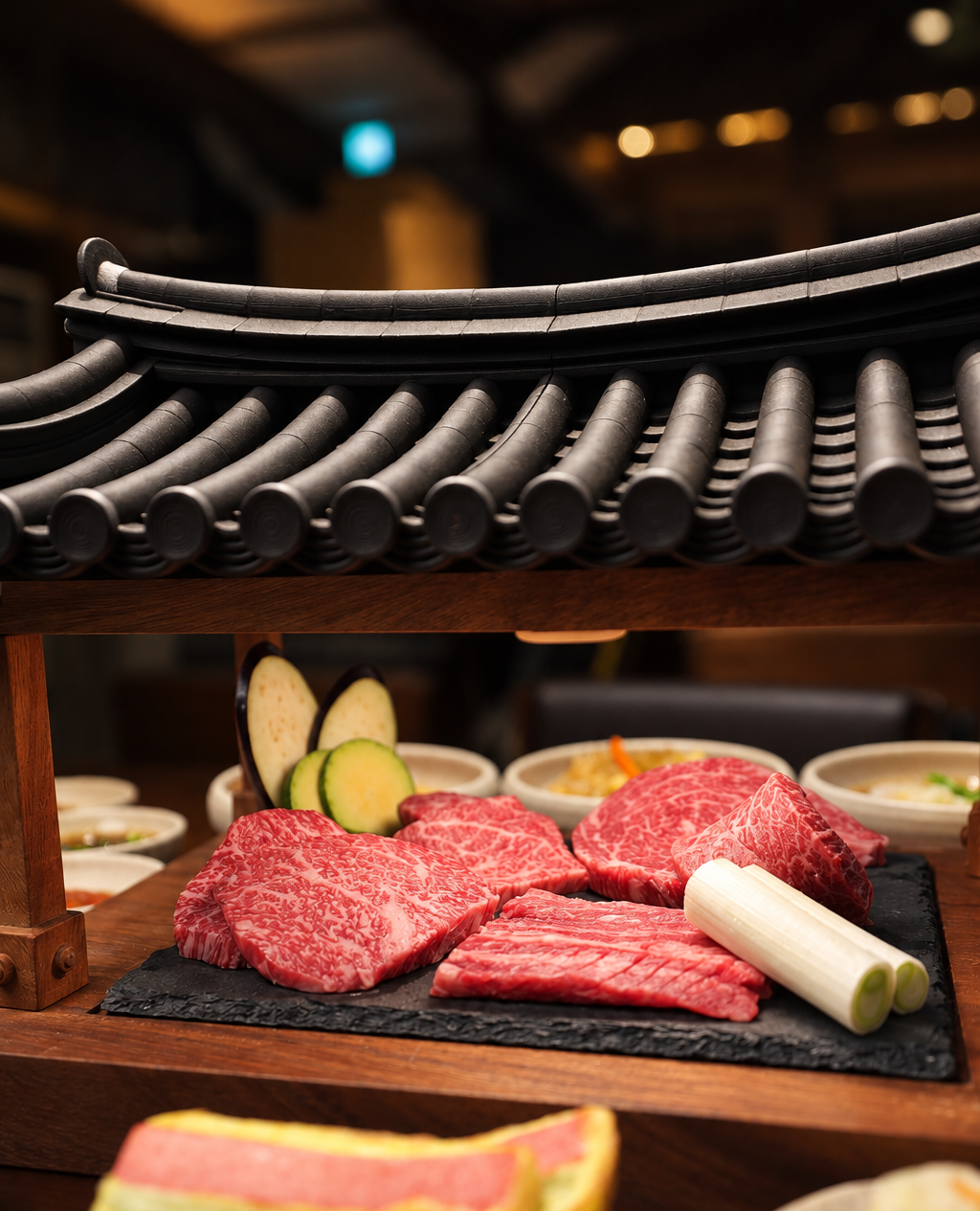
For many international travelers, experiencing authentic Korean BBQ is one of the highlights of visiting Seoul. The appeal extends far beyond the food itself, bringing together the aroma of meat grilling over charcoal, the pleasure of sharing dishes around the table, and the distinctive hospitality that makes Korean dining so memorable. Yet for visitors who do not speak Korean, choosing the right restaurant can sometimes feel more complicated than expected.
Menus may feature unfamiliar cuts of beef, traditional Korean terminology, and different serving sizes, while the cooking process itself can vary considerably between restaurants. Some establishments expect guests to prepare their own meat, whereas others provide attentive tableside grilling service. Understanding what to order, how much to order, and how the meal is traditionally enjoyed can make a significant difference to the overall experience.
For travelers searching for English-friendly Korean BBQ in Myeongdong, choosing a restaurant with accessible menu information, clear pricing, and helpful service can make an unfamiliar dining tradition feel entirely approachable.
Located in the heart of Seoul, Myeongdong is particularly convenient for international visitors. Known for its shopping streets, department stores, hotels, and vibrant food culture, the neighborhood offers an introduction to Korea's culinary traditions without requiring travelers to venture far from the city's major attractions.
Among the many Korean BBQ experiences available in Seoul, premium Korean Hanwoo beef offers a distinctive opportunity to explore one of the country's most celebrated ingredients.
At HANWOOJEONG, a premium Korean BBQ restaurant in Myeongdong, we welcome international guests to discover the richness of 1++ Korean Hanwoo through carefully selected beef cuts, traditional charcoal grilling, multilingual assistance, and attentive tableside service.
With English-language menu information, a refined dining environment inspired by Korean heritage, and staff-assisted grilling, Hanwoojeong offers a comfortable introduction to premium Korean beef while preserving the character and traditions that make Korean BBQ special.
This guide explains how to choose an English-friendly Korean BBQ restaurant in Seoul, what foreign visitors should know before ordering, how the Korean BBQ experience works, and where to enjoy premium Hanwoo in Myeongdong.
Why Choose an English-Friendly Korean BBQ Restaurant in Seoul?
Traveling to a foreign country often means discovering new customs, unfamiliar ingredients, and dining traditions that differ from those at home. These experiences are part of what makes international travel rewarding, but they can also create uncertainty, particularly when language becomes a barrier.
Korean BBQ is a perfect example.
Unlike a conventional restaurant where guests simply select a main course and wait for it to arrive fully prepared, Korean barbecue is an interactive dining experience. Meat is grilled at the table, different cuts may be cooked in a particular sequence, and an assortment of Korean side dishes accompanies the meal.
For travelers unfamiliar with this style of dining, even simple questions can feel difficult to communicate.
How much meat should two people order? Does the restaurant serve pork, beef, or both? Are the listed prices per person or per portion? Will the staff cook the meat, or are guests expected to grill it themselves?
An English-friendly Korean BBQ restaurant helps make these details easier to understand.
Clear menu descriptions, transparent prices, and the ability to ask questions about ingredients or preparation methods allow visitors to make confident decisions without feeling rushed.
However, an English-friendly dining experience should not mean sacrificing authenticity.
The purpose is not to transform Korean cuisine into something unfamiliar to local diners, but to make the traditions, ingredients, and hospitality of Korean dining more accessible to people experiencing them for the first time.
At Hanwoojeong, our approach combines premium Korean ingredients with attentive service, allowing international visitors to appreciate the distinctive character of Korean BBQ while feeling comfortable throughout the meal.
Why Myeongdong Is a Convenient Location for Foreign Tourists
Myeongdong is one of Seoul's most recognizable destinations for international travelers, offering a lively combination of shopping, dining, sightseeing, and convenient transportation.
The neighborhood is particularly appealing to first-time visitors because many of Seoul's well-known attractions can be incorporated into a single day without complicated travel arrangements.
Visitors can spend the afternoon browsing Korean beauty stores, exploring Myeongdong Shopping Street, visiting nearby cultural landmarks, or shopping at Lotte Department Store before settling into dinner.
For those staying in central Seoul, Myeongdong is also conveniently connected to nearby areas such as Euljiro, City Hall, Jongno, and Seoul Station.
The concentration of international hotels and tourist-oriented businesses means that English-language information is relatively accessible throughout the neighborhood. Nevertheless, individual restaurant menus and service arrangements can still vary considerably.
This is why researching restaurants before arriving can be worthwhile, especially if you are planning a special meal or wish to experience premium Korean beef.
For visitors looking to explore the area's broader culinary scene, our Myeongdong Food Guide 2026: What to Eat, Where to Go & Dinner Recommendations introduces traditional Korean dishes, local food experiences, and convenient dining areas throughout the neighborhood.
What Makes a Korean BBQ Restaurant English-Friendly?
Not every restaurant that welcomes international guests provides the same level of language support.
An English-friendly Korean BBQ restaurant should ideally offer more than an English sign outside the entrance. The experience should allow guests to understand what they are ordering, communicate important preferences, and enjoy the meal without unnecessary confusion.
Clear English Menus With Accurate Descriptions
An English-language menu is one of the most practical features for international visitors.
Korean BBQ restaurants often list beef cuts using Korean names that do not translate directly into the terminology used by Western butchers.
For example, salchisal is commonly translated as chuck flap tail, while saewoo-sal refers to ribeye cap. These cuts may be unfamiliar even to visitors who regularly eat steak.
A well-presented English menu should identify the cut, serving size, and price clearly, allowing guests to compare their options without relying entirely on photographs.
At Hanwoojeong, our official English-language Korean BBQ menu includes descriptions of our premium 1++ Hanwoo selections, curated tasting sets, specialty dishes, traditional Korean sides, and beverages.
Assistance With Ordering and Portion Sizes
One of the most common sources of uncertainty for foreign visitors is understanding how much Korean BBQ to order.
Some restaurants price meat per 100 grams, while others list larger portions or tasting sets intended for sharing.
Without clear explanations, travelers may find it difficult to estimate the quantity of food required for their group.
An English-friendly restaurant should make it possible to clarify serving sizes, understand the difference between individual cuts and sets, and select dishes according to appetite and preference.
For those interested in premium Korean beef, choosing a curated tasting set can be an approachable way to experience several cuts without deciding on every individual portion.
Helpful Explanations of the Dining Experience
For international visitors, the best service often comes from helping guests understand the experience without overwhelming them with unnecessary instructions.
A brief explanation of the beef selections, the grilling process, and the accompanying dishes can make a premium Korean BBQ meal considerably more enjoyable.
Guests should feel comfortable asking questions about unfamiliar ingredients and communicating their cooking preferences.
The ability to receive assistance in English can be especially valuable when exploring premium Korean cuisine for the first time.
Staff-Assisted Korean BBQ Grilling
Another important consideration is whether guests are expected to cook their own meat.
Many Korean BBQ restaurants use a self-grilling format, where diners cook the meat directly over a grill built into the table. Others provide staff-assisted grilling, which can be particularly appealing to travelers unfamiliar with Korean beef cuts or cooking techniques.
At Hanwoojeong, our staff assist with grilling premium 1++ Hanwoo over real charcoal, allowing guests to focus on the meal rather than managing the cooking process themselves.
This approach is especially valuable for highly marbled beef, where careful preparation helps preserve the tenderness and flavor of each cut.
English-Friendly Korean BBQ in Myeongdong at Hanwoojeong
For travelers seeking a more considered Korean BBQ experience in central Seoul, Hanwoojeong brings together premium Korean beef, traditional grilling, and an atmosphere inspired by Korean heritage.
Located at 3F, 44 Myeongdong 3-gil, Jung-gu, Seoul, the restaurant specializes in premium 1++ Hanwoo, Korea's highest official beef quality-grade category.
Our dining philosophy is centered on appreciating the individual qualities of Korean beef.
Rather than treating every cut as identical, the menu introduces guests to different levels of marbling, tenderness, richness, and texture. Carefully selected cuts are prepared over real charcoal, allowing diners to explore their distinctive flavors as part of a shared dining experience.
For international visitors, the experience is made more approachable through English-language menu information and multilingual assistance.
Guests who are unfamiliar with Korean beef can explore the menu at their own pace, ask questions about the available selections, and enjoy tableside grilling without needing prior experience.
The restaurant's interior takes inspiration from traditional Korean hanok architecture, incorporating warm wood tones and understated details to create a dining environment that feels distinctly Korean without becoming overly formal.
Whether visiting Seoul for the first time, enjoying dinner after an afternoon of shopping, or celebrating a special occasion, Hanwoojeong offers an introduction to premium Korean BBQ that remains connected to Korean culinary tradition.
What Is Hanwoo Beef? A Guide for International Visitors
One of the most important terms to understand when ordering premium Korean BBQ is Hanwoo, written 한우 in Korean.
Hanwoo refers to Korea's native cattle breed, which is particularly valued for its ability to produce beef with distinctive marbling, tenderness, and rich flavor.
Although Korean BBQ restaurants may serve pork, imported beef, or other varieties of meat, Hanwoo occupies a special position within Korean cuisine.
It is often enjoyed during celebrations, family gatherings, and meaningful dining occasions, reflecting the cultural appreciation associated with premium domestic Korean beef.
For international visitors who are already familiar with Japanese Wagyu, the comparison may seem natural. Both can feature abundant marbling and delicate textures, but Hanwoo and Wagyu are distinct cattle traditions with different breeding histories, grading systems, and culinary characteristics.
In Korea, premium Hanwoo is frequently enjoyed through charcoal grilling, where the natural flavor of the beef can be appreciated with relatively simple seasonings.
At Hanwoojeong, the menu focuses on 1++ Korean Hanwoo, allowing guests to experience several carefully selected cuts within the highest official beef quality-grade category.
For a more detailed introduction, explore our What Is Hanwoo? Complete Guide to Korean Beef, Marbling, Grades & Cuts.
How to Order Korean BBQ in English at Hanwoojeong
Ordering premium Korean BBQ becomes much easier when guests understand the different menu categories.
At Hanwoojeong, diners can choose between individual Hanwoo cuts and curated tasting sets.
For visitors trying Korean beef for the first time, our tasting sets provide a convenient opportunity to compare several distinctive cuts during one meal.
1++ Hanwoo 400 Set — ₩165,000
The Hanwoo 400 Set includes four carefully selected beef cuts, each served in a 100 g portion.
The selection consists of ribeye, short rib, chuck flap tail, and ribeye cap, providing an introduction to different levels of marbling, tenderness, and richness.
The set includes one side dish.
For two guests, the 400 g selection provides approximately 200 g of raw beef per person before cooking, making it a practical starting point for a meal that may also include additional Korean dishes.
1++ Hanwoo 500 Set — ₩195,000
The Hanwoo 500 Set expands the selection to five distinctive cuts.
Alongside ribeye, short rib, chuck flap tail, and ribeye cap, guests can enjoy top blade, offering another opportunity to explore the differences between Korean beef cuts.
The set includes one side dish.
For two people, the 500 g selection provides approximately 250 g of raw beef per guest before cooking, making it suitable for diners who prefer a more extensive tasting experience.
1++ Hanwoo 600 Set — ₩220,000
For guests interested in a broader introduction to premium Korean beef, the Hanwoo 600 Set includes six distinctive cuts.
The selection features ribeye, short rib, chuck flap tail, ribeye cap, top blade, and short plate, allowing diners to compare a wider range of textures and flavors.
The set includes one side dish and offers a generous shared Korean BBQ experience.
All three sets are designed to highlight the character of premium 1++ Hanwoo rather than simply provide a large quantity of meat.
For travelers comparing restaurant prices or planning a dining budget, our 2026 Hanwoo Price Guide in Seoul explains individual beef prices, portion sizes, and tasting set options in more detail.
Understanding Korean BBQ Menu Terms in English
For many foreign visitors, the most challenging part of ordering Korean BBQ is interpreting the Korean terminology used to describe different cuts and dishes.
Learning a few essential terms can make the experience considerably easier, particularly when comparing individual beef selections.
Deungsim (등심) — Korean Beef Ribeye
Ribeye is one of the most recognizable premium beef cuts, appreciated for its balance of marbling, tenderness, and savory flavor.
For travelers who enjoy traditional steak, Hanwoo ribeye offers a familiar starting point while introducing the character of premium Korean beef.
Ans im (안심) — Korean Beef Tenderloin
Tenderloin is prized for its exceptionally soft texture and relatively delicate flavor.
It is particularly suitable for diners who prefer tenderness without the pronounced richness associated with more heavily marbled beef cuts.
Salchisal (살치살) — Chuck Flap Tail
Salchisal is one of the cuts associated with premium Korean beef, distinguished by its abundant marbling and rich flavor.
When carefully grilled, the intramuscular fat softens to create a particularly tender and flavorful experience.
Saewoo-sal (새우살) — Ribeye Cap
Ribeye cap is another highly regarded selection, appreciated for its fine marbling and delicate texture.
Although it comes from the ribeye area, its characteristics differ from those of the main ribeye, making it particularly interesting when enjoyed as part of a tasting set.
Galbisal (갈비살) — Short Rib
Short rib offers pronounced beef flavor and a satisfying texture that responds especially well to charcoal grilling.
It is an excellent choice for guests who appreciate beef with depth and character.
Understanding these terms can help visitors choose according to their preferences rather than relying exclusively on photographs or price.
Our Hanwoo Cuts Guide: Ribeye, Ribeye Cap, Chuck Flap Tail & Short Rib explores the differences between these selections in greater detail.
Korean BBQ Where Staff Grill for You: Why It Matters
One of the questions frequently raised by travelers researching Korean BBQ in Seoul is whether the restaurant will cook the meat for them.
The answer depends on the establishment.
At many casual Korean BBQ restaurants, self-grilling is an essential part of the experience. Guests are expected to cook the meat using the grill positioned in the center of the table, adjusting the pieces as needed until they reach their preferred doneness.
This format can be enjoyable, particularly for groups familiar with Korean BBQ.
However, it can also feel unfamiliar to first-time visitors, especially when the menu features premium cuts that may require careful attention.
At Hanwoojeong, the grilling process is handled with assistance from our staff.
Our premium 1++ Hanwoo is prepared over real charcoal, allowing each cut to develop its characteristic aroma, texture, and flavor.
For richly marbled beef, careful grilling is especially important because the fat begins to render as the meat is exposed to heat. Cooking the meat too aggressively or leaving it on the grill for too long can diminish the tenderness that makes premium Hanwoo distinctive.
Tableside service also allows guests to enjoy the experience at a comfortable pace.
Rather than concentrating on turning individual pieces of meat, visitors can appreciate the progression of the meal, explore accompanying dishes, and enjoy conversation around the table.
For international travelers seeking Korean BBQ in Seoul where staff grill for you, this service style offers an accessible introduction to premium Korean beef without removing the atmosphere and shared experience that define Korean barbecue.
What to Eat With Korean BBQ: Understanding Banchan and Side Dishes
Korean BBQ is rarely enjoyed with meat alone.
A traditional Korean dining table features a selection of small accompanying dishes known as banchan, which provide contrasting flavors, textures, and temperatures throughout the meal.
Depending on the restaurant, these may include kimchi, seasoned vegetables, pickles, Korean pancakes, and other preparations.
For premium Hanwoo, these accompaniments can be particularly valuable because they provide freshness and balance alongside richly marbled beef.
Sauces and seasonings also play an important role.
Ssamjang, a savory Korean condiment commonly prepared with fermented soybean paste and chili paste, is among the most recognizable Korean BBQ accompaniments.
However, premium beef can often be appreciated most clearly when enjoyed with minimal seasoning.
At Hanwoojeong, guests can explore different flavor combinations through a selection of accompaniments that includes salt, wasabi with ginger, ssamjang, chimichurri, and other complementary sauces.
We generally recommend beginning with a small amount of salt when trying a premium cut for the first time, allowing its natural flavor to remain prominent before exploring stronger seasonings.
The meal can then continue with Korean dishes such as brisket soybean stew, cold noodles, steamed egg, or rice, according to individual preference.
For visitors unfamiliar with these accompaniments, our Korean BBQ Sauces & Banchan Guide provides a more detailed explanation of Korean side dishes and how to enjoy them with Hanwoo.
Can Foreign Visitors Request Different Cooking Preferences?
One advantage of dining at a Korean BBQ restaurant with tableside grilling is the opportunity to communicate how you prefer your meat prepared.
Although premium Hanwoo is often enjoyed without excessive cooking, individual preferences naturally vary.
Some guests prefer their beef lightly grilled, while others feel more comfortable with a thoroughly cooked portion.
There is no need to feel that enjoying Korean BBQ requires following one rigid set of rules.
If you have a particular preference, communicate it to the staff before the meat is cooked. Doing so early allows the grilling process to be adjusted where practical.
For visitors who do not speak Korean, simple English phrases such as "Could you cook the beef a little longer?" or "We prefer our meat well done" can help communicate your expectations.
The important thing is to feel comfortable enjoying the meal according to your preferences while remaining open to the traditional preparation styles that make Korean BBQ distinctive.
Dietary Restrictions and Food Allergies at Korean BBQ Restaurants
Travelers with dietary restrictions or food allergies should take particular care when dining at unfamiliar restaurants, regardless of the language used on the menu.
Korean cuisine frequently incorporates ingredients such as soybeans, sesame, wheat, seafood, garlic, and fermented sauces, some of which may not be immediately visible in the finished dish.
Korean BBQ restaurants may also use shared preparation areas and cooking equipment, making cross-contact a consideration for guests with serious allergies.
If you have a dietary requirement, the safest approach is to inform the restaurant before visiting and explain the restriction clearly when ordering.
At Hanwoojeong, guests are encouraged to communicate allergies and dietary requirements when submitting a reservation. While our team will do its best to assist, a completely allergen-free preparation environment cannot be guaranteed.
For travelers who prefer a vegetable-based meal, our menu also lists a Traditional Vegan Bibimbap. However, guests with strict dietary requirements should confirm the ingredients and preparation arrangements directly with the restaurant.
Clear communication is particularly important when a dietary restriction involves a medical allergy rather than simply a preference.
An English-language menu is useful, but it should never replace direct confirmation when an ingredient could cause a serious reaction.
Private Dining and Free Corkage for International Guests
For travelers arranging a special occasion, the restaurant's atmosphere and service options can be just as important as its menu.
Hanwoojeong offers private dining rooms, subject to availability, providing an additional option for families, couples, business guests, and groups seeking a more intimate dining experience in central Seoul.
Private dining is particularly suitable for occasions where conversation and atmosphere matter, such as anniversaries, celebrations, or business dinners.
Our restaurant also offers complimentary corkage for guests who wish to bring their own wine, subject to the applicable arrangements.
For international travelers who enjoy selecting wine personally, this provides the opportunity to pair a favorite bottle with premium Korean Hanwoo.
Whether choosing a structured red wine to accompany richly marbled ribeye or bringing a meaningful bottle for a special celebration, the flexibility can make dinner feel more personal.
Guests should confirm corkage conditions, including any bottle restrictions or service arrangements, before their visit.
For more information, read our Free Corkage in Myeongdong: Where to Enjoy Premium Korean BBQ & Bring Your Own Wine.
How to Make a Korean BBQ Reservation in English
For foreign visitors planning dinner in Seoul, reserving a table in advance can make the evening considerably more convenient.
Although walk-in dining is possible at many Korean BBQ restaurants, availability varies according to the restaurant, day, and time.
Weekend evenings, public holidays, and popular travel periods can be particularly busy, especially in central tourist areas such as Myeongdong.
At Hanwoojeong, guests can submit reservation requests through our English-language website.
The Hanwoojeong Reservations Page provides information about the booking process and restaurant policies.
All reservations are subject to availability and are confirmed only after guests receive a confirmation email.
The restaurant also provides a 10-minute grace period for late arrivals. Guests arriving more than 10 minutes after their scheduled reservation without prior notice may have their table released.
If you are planning a celebration, requesting a private room, or visiting with particular dietary requirements, include these details when making your reservation.
Specific seating arrangements and special requests are subject to availability, so advance communication is recommended.
For international travelers, reviewing the reservation policies before visiting can make the experience more straightforward and help avoid misunderstandings.
How to Get to Hanwoojeong From Myeongdong Station
One of the advantages of dining in Myeongdong is its accessibility by public transportation.
Hanwoojeong is located on the third floor of 44 Myeongdong 3-gil, Jung-gu, Seoul, within walking distance of both Myeongdong Station and Euljiro 1-ga Station.
From Euljiro 1-ga Station (Line 2)
Euljiro 1-ga Station is the closest subway station to Hanwoojeong.
Take Exit 5 and turn left near Starbucks. Continue along the street, where the restaurant is located a short distance ahead.
The walk takes approximately one minute, making the restaurant particularly convenient for guests arriving from areas served by Seoul Subway Line 2.
From Myeongdong Station (Line 4)
Visitors arriving through Myeongdong Station can use Exit 6 and walk through the shopping district toward the northern side of the neighborhood.
The journey takes approximately ten minutes on foot, depending on walking pace and pedestrian traffic.
This route is convenient for travelers who want to explore Myeongdong Shopping Street before dinner.
Hanwoojeong's location also makes it accessible for guests visiting Lotte Department Store, nearby hotels, and attractions in central Seoul.
For detailed walking directions and transportation information, visit our Hanwoojeong Myeongdong Location & Directions Guide.
Korean BBQ Etiquette for Foreign Visitors
Korean dining traditions may differ from those familiar to visitors from other countries, but enjoying Korean BBQ does not require memorizing an extensive set of rules.
The meal is fundamentally built around sharing food and spending time together.
At restaurants with shared grills, diners generally enjoy meat in small portions as it is prepared, rather than waiting for every item to be cooked before beginning the meal.
Traditional side dishes are shared around the table, while rice, noodles, and other accompaniments may be enjoyed throughout or toward the end of the meal.
If you are unfamiliar with a particular dish, asking a staff member for guidance is entirely reasonable.
One useful custom to understand is that tipping is not generally expected in Korean restaurants. Guests are not normally required to calculate an additional service gratuity in the way they might in some other countries.
It is also good practice to keep uncooked meat separate from food that is ready to eat, particularly at self-grilling restaurants. When staff handle the grilling, guests can simply follow their guidance.
Most importantly, approach Korean BBQ with curiosity rather than concern about doing everything perfectly.
The pleasure of the experience lies in discovering new flavors, sharing food, and appreciating a style of dining that places conversation and hospitality at the center of the table.
Useful Korean Phrases for Ordering Korean BBQ
Although English-language menus and multilingual assistance can make Korean BBQ more approachable, learning a few basic Korean expressions can still be helpful while traveling.
The following phrases are useful at Korean restaurants throughout Seoul.
안녕하세요 (Annyeonghaseyo) means "Hello" and is a polite way to greet restaurant staff.
영어 메뉴 있나요? (Yeongeo menyu innayo?) means "Do you have an English menu?" and is useful when entering a restaurant where the menu language is not immediately clear.
추천 메뉴가 뭐예요? (Chucheon menyuga mwoyeyo?) means "What do you recommend?" and can help you discover specialties that may not be familiar to international visitors.
안 맵게 해주세요 (An maepge haejuseyo) means "Please make it not spicy," although not every dish can be adjusted because some sauces and ingredients are prepared in advance.
잘 익혀 주세요 (Jal ikhyeo juseyo) means "Please cook it thoroughly," which can be helpful when communicating a preference for more fully cooked meat.
감사합니다 (Gamsahamnida) means "Thank you" and is a polite expression appreciated throughout Korea.
Learning these phrases is not essential for enjoying an English-friendly Korean BBQ restaurant, but they can make everyday interactions feel more natural and enjoyable.
Enjoy English-Friendly Premium Korean BBQ at Hanwoojeong Myeongdong
A memorable Korean BBQ experience should bring together more than beautifully marbled beef.
It should provide an opportunity to discover Korean ingredients, appreciate traditional cooking methods, and enjoy a style of dining where the food and the people gathered around the table are equally important.
For international travelers, language should not prevent them from experiencing this side of Korean cuisine.
At Hanwoojeong, we aim to make premium Korean BBQ accessible to foreign visitors through clear English-language menu information, multilingual assistance, attentive tableside grilling, and an approach to hospitality rooted in Korean tradition.
Our selection of premium 1++ Hanwoo allows guests to discover the differences between individual beef cuts, while charcoal grilling brings forward the distinctive flavors and textures that make Korean beef so highly regarded.
The restaurant's warm, hanok-inspired interior offers a comfortable setting for travelers who want a memorable meal without unnecessary formality.
Whether you are visiting Seoul for the first time, celebrating a special occasion, or simply searching for an English-friendly Korean BBQ restaurant in Myeongdong, we invite you to discover premium Hanwoo at Hanwoojeong.
Frequently Asked Questions About English-Friendly Korean BBQ in Myeongdong
-
Yes. Myeongdong is one of Seoul's most international visitor-oriented neighborhoods, and a number of Korean BBQ restaurants provide English-language information or assistance. Hanwoojeong offers an English-language menu, multilingual assistance, and staff-assisted charcoal grilling, allowing foreign visitors to experience premium Korean Hanwoo without needing extensive knowledge of Korean restaurant terminology.
-
Yes. Hanwoojeong provides an English-language menu describing its premium 1++ Hanwoo tasting sets, individual beef cuts, Korean specialties, side dishes, and beverages. Guests can review the menu online before visiting the restaurant.
-
Hanwoojeong welcomes international guests and offers multilingual assistance, including English-language support. Guests with specific language requirements are encouraged to contact the restaurant in advance, as staff availability may vary.
-
Foreign visitors can find Korean BBQ restaurants throughout Seoul, including popular areas such as Myeongdong, Hongdae, Gangnam, and Jongno. Myeongdong is particularly convenient for first-time visitors because of its central location, transportation connections, and concentration of hotels and shopping destinations.
-
No. Hanwoojeong provides staff-assisted grilling over real charcoal, allowing guests to enjoy premium Korean beef without needing to cook the individual cuts themselves. This service is particularly convenient for first-time visitors unfamiliar with Korean BBQ.
-
1++ is the highest official quality-grade category within Korea's beef grading system. Hanwoo refers to Korea's native cattle breed, while the quality grade evaluates characteristics including marbling and other meat-quality factors. Premium 1++ Hanwoo is especially valued for its tenderness, richness, and distinctive flavor.
-
Yes. Visitors can submit reservation requests through Hanwoojeong's English-language website. Bookings are subject to availability and are confirmed once guests receive a confirmation email from the restaurant.
Discover Premium Korean BBQ in Myeongdong Without the Language Barrier
One of the pleasures of traveling is experiencing traditions that are different from those we know at home. Korean BBQ offers precisely this opportunity, introducing visitors to a dining culture built around shared food, carefully prepared ingredients, and conversation around the grill.
Choosing an English-friendly restaurant allows international guests to appreciate these traditions without feeling uncertain about the menu, ordering process, or preparation of unfamiliar ingredients.
At Hanwoojeong, premium 1++ Hanwoo, traditional charcoal grilling, English-language menu information, and attentive hospitality come together to create an experience that feels both authentically Korean and welcoming to international visitors.
Whether you are discovering Korean BBQ for the first time or returning to Seoul with a deeper appreciation of Korean cuisine, we look forward to welcoming you to Myeongdong.
HANWOOJEONG — Where Hanwoo Meets Tradition
Premium 1++ Hanwoo Korean BBQ in Myeongdong, Seoul
Address: 3F, 44 Myeongdong 3-gil, Jung-gu, Seoul, South Korea
Korean Address: 서울특별시 중구 명동3길 44, 3층
Nearest Subway: Euljiro 1-ga Station, Line 2, Exit 5
Opening Hours: Daily, 11:30 AM – 2:00 AM
Contact: +82-2-318-2990
➞ Explore Our Premium Hanwoo Korean BBQ Menu
