
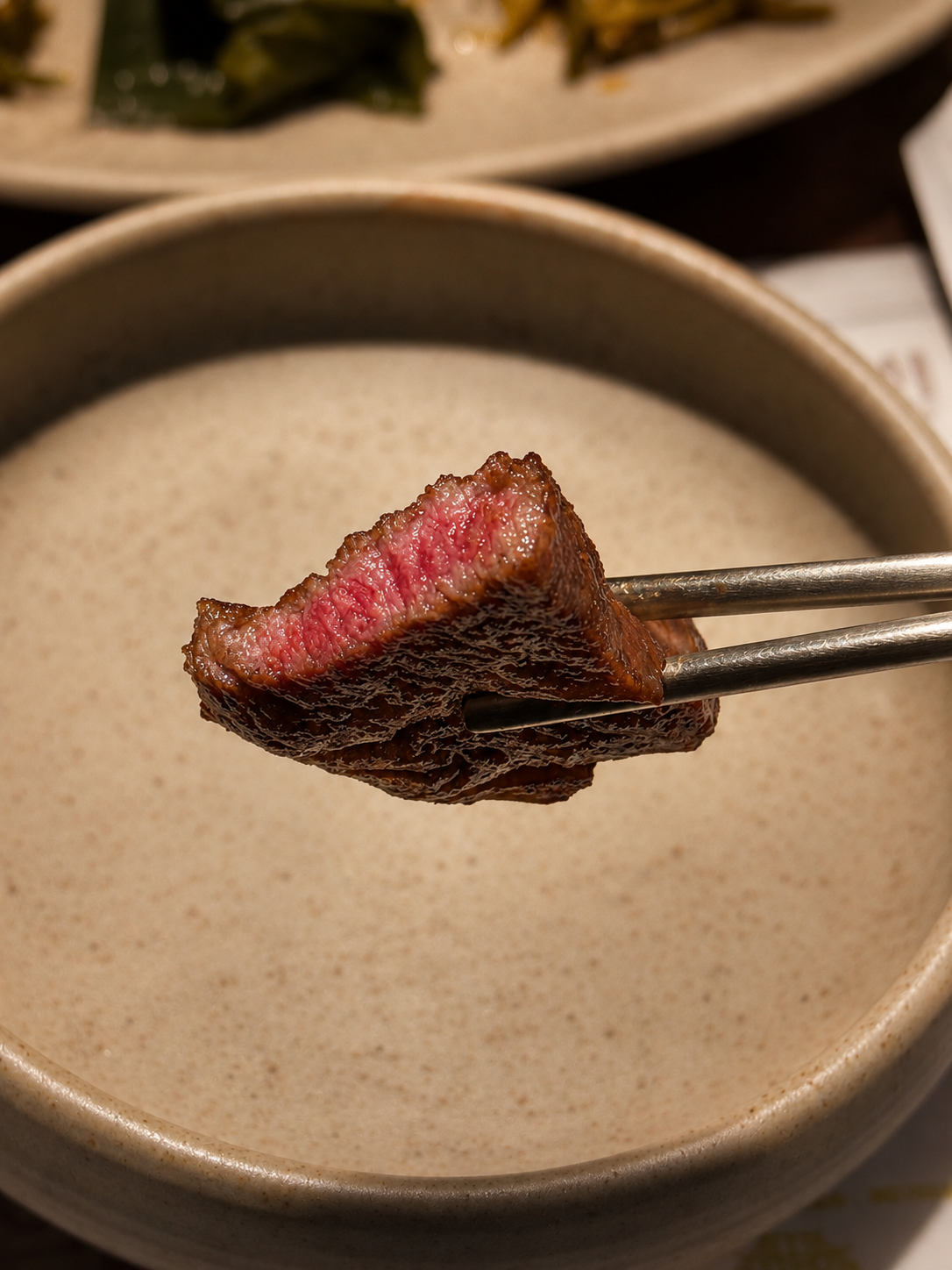
Korean BBQ is one of the most memorable dining experiences you can have in South Korea, combining beautifully grilled meat, traditional Korean side dishes, and the unmistakable atmosphere of sharing a meal around a sizzling tabletop grill. Whether you're visiting Seoul for the first time or returning to explore the city's food culture in greater depth, enjoying authentic Korean BBQ deserves a place on your itinerary.
However, finding the best Korean BBQ in Seoul isn't always straightforward. With thousands of restaurants across the city serving everything from traditional samgyeopsal and marinated galbi to premium 1++ Hanwoo beef, choosing where to eat can feel overwhelming, particularly for international visitors unfamiliar with Korean meat cuts, restaurant pricing, and local dining customs.
Some Korean BBQ restaurants specialize in affordable pork belly, while others focus on unlimited servings of beef and pork. At the premium end of the market, dedicated Hanwoo restaurants offer carefully selected Korean beef, professional grilling service, and a more refined approach to traditional Korean dining. Understanding these differences is essential because the quality of the meat, the grilling method, and the overall dining experience can vary significantly between establishments.
For travelers searching for Korean BBQ in Myeongdong, the neighborhood offers a particularly convenient introduction to Seoul's restaurant scene. Located in the heart of the city, Myeongdong combines famous shopping streets, cultural attractions, international hotels, and a diverse selection of Korean dining experiences.
At HANWOOJEONG Korean BBQ, we specialize in premium 1++ Korean Hanwoo beef, bringing together traditional charcoal grilling, professional tableside service, and a dining atmosphere inspired by Korea's architectural heritage. Located in central Myeongdong, our restaurant offers visitors an opportunity to experience the distinctive character of premium Korean beef while exploring one of Seoul's most popular neighborhoods.
In this comprehensive Korean BBQ Seoul guide, we'll explain what makes Korean BBQ special, how to choose the right restaurant, which meats are worth trying, what Hanwoo beef actually is, how much Korean BBQ costs, and where to enjoy a memorable Korean BBQ experience in Seoul.
What Is Korean BBQ? Understanding Korea's Most Famous Dining Tradition
Korean BBQ, commonly known as gogi-gui (고기구이), refers to a variety of Korean grilled meat dishes traditionally enjoyed as part of a shared meal. Although grilling meat is common in many countries, Korean BBQ has developed its own distinctive dining culture, characterized by tabletop cooking, a wide selection of side dishes, and the practice of combining grilled meat with different sauces and accompaniments.
At a typical Korean BBQ restaurant in Seoul, diners gather around a table equipped with a grill positioned over charcoal, gas, or another heat source. Depending on the establishment, guests may cook the meat themselves or have it grilled by restaurant staff. Rather than receiving a complete plated meal prepared in the kitchen, diners often enjoy different cuts of meat progressively, allowing each selection to be eaten freshly cooked.
The experience extends far beyond the grill itself. Korean BBQ is usually accompanied by banchan (반찬), a collection of small side dishes that may include kimchi, pickled vegetables, seasoned greens, japchae, and Korean pancakes. These accompaniments provide different textures and flavors that balance the richness of the grilled meat, while traditional condiments such as ssamjang, salt, and sesame oil allow diners to customize each bite.
Another defining feature of Korean BBQ is the social nature of the meal. Meat is commonly ordered for the table rather than for individual diners, encouraging everyone to share different cuts and experience the meal together. This is why Korean BBQ remains popular for family gatherings, celebrations, business dinners, and casual evenings with friends.
For international visitors, eating Korean BBQ in Seoul provides an opportunity to experience not only Korean cuisine but also the dining traditions that surround it. From the way meat is ordered and cooked to the combination of sauces and side dishes, each element contributes to an experience that differs considerably from a conventional steak dinner.
Best Korean BBQ in Seoul: What Type of Restaurant Should You Choose?
When searching online for the best Korean BBQ restaurants in Seoul, it's important to understand that Korean BBQ encompasses several distinct restaurant concepts. Although they share the tradition of grilling meat, the ingredients, service styles, prices, and dining atmosphere can differ substantially.
A casual pork BBQ restaurant, for example, may specialize in thick slices of samgyeopsal grilled until the fat becomes beautifully crisp. An all-you-can-eat Korean BBQ restaurant may offer multiple beef and pork selections for a fixed price, allowing diners to experience a variety of meats within a designated dining period. Meanwhile, a premium Hanwoo restaurant places greater emphasis on the origin, grading, preparation, and individual characteristics of high-quality Korean beef.
None of these approaches is inherently better than the others because each serves a different dining preference. The best choice depends on whether you're looking for a casual meal, an affordable introduction to Korean grilling, or a premium beef experience.
Traditional Korean Pork BBQ Restaurants
Pork BBQ occupies an important place in everyday Korean dining culture, with samgyeopsal (pork belly) and moksal (pork neck) among the most recognizable cuts. These restaurants are particularly popular for informal gatherings because the meat is flavorful, easy to share, and pairs naturally with traditional Korean accompaniments.
Samgyeopsal is valued for its alternating layers of fat and lean meat, which develop a rich flavor and satisfying texture when grilled. Moksal generally offers a different balance of lean meat and fat, making it appealing to diners who prefer a meatier bite.
For visitors who want to experience the lively atmosphere associated with traditional Korean BBQ, a dedicated pork restaurant can be an excellent choice.
All-You-Can-Eat Korean BBQ in Seoul
All-you-can-eat Korean BBQ restaurants are popular among travelers who want to try several types of meat without ordering individual portions at separate prices. These establishments typically operate through fixed-price menus, although the range of available meats, side dishes, drinks, and time limits varies between restaurants.
This format can be particularly convenient for groups with different preferences because some diners may prefer pork belly while others enjoy beef brisket, marinated ribs, or bulgogi.
However, unlimited servings should not automatically be confused with premium meat quality. When comparing restaurants, it's worth examining which cuts are included, whether the meat is domestic or imported, and whether additional charges apply.
Premium Hanwoo Korean BBQ Restaurants
Premium Hanwoo restaurants represent another side of Korean BBQ culture, focusing on the quality and distinctive characteristics of Korean beef rather than the quantity served.
At these establishments, guests may encounter specific Hanwoo cuts such as ribeye, tenderloin, short rib, chuck flap tail, and ribeye cap, often accompanied by information about the beef's quality grade.
Because premium Hanwoo can be richly marbled, careful grilling plays an important role in the final dining experience. Some specialized restaurants provide professional tableside service to help ensure the meat is cooked appropriately and served at its best.
For visitors interested in experiencing Korea's premium beef traditions, a dedicated Hanwoo restaurant offers an opportunity to appreciate differences in marbling, tenderness, texture, and flavor that may be less apparent in a more casual dining setting.
What Is Hanwoo Beef? Korea's Premium Korean BBQ Experience
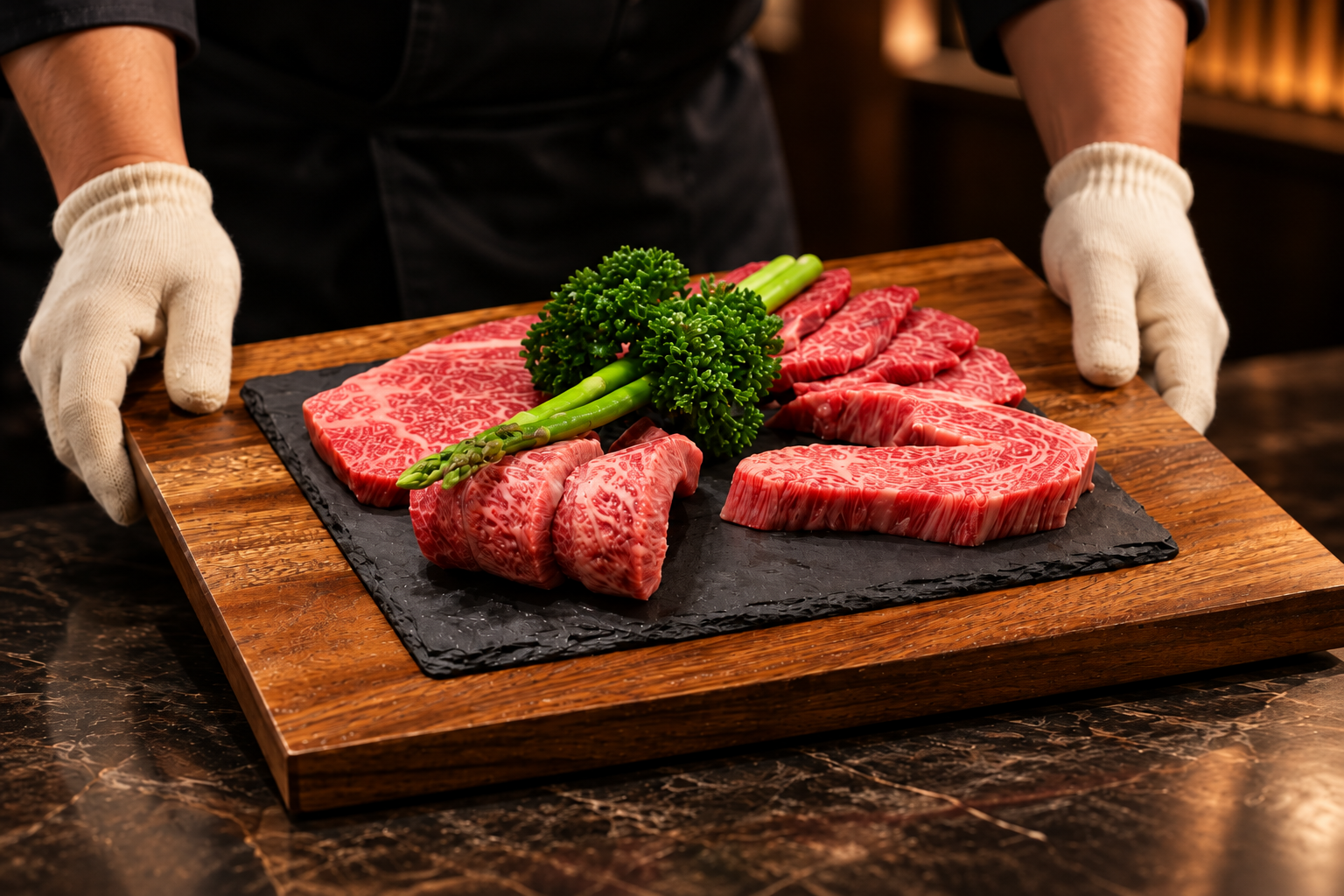
Hanwoo (한우) refers to Korea's native cattle breed, which has become one of the country's most highly regarded sources of beef. Deeply connected to Korea's agricultural history and culinary traditions, Hanwoo has developed a reputation for its marbling, tenderness, rich flavor, and distinctive eating quality.
Historically, Hanwoo cattle were primarily valued for their role in agriculture, where they were used for farming and transportation. As South Korea industrialized and agricultural machinery became more widespread, cattle breeding gradually shifted toward beef production. Over time, selective breeding and improvements in livestock management contributed to the development of the modern Hanwoo industry.
Today, Hanwoo occupies an important position in Korea's premium dining culture. High-quality Hanwoo is frequently enjoyed during celebrations, family gatherings, business dinners, and other occasions when the quality of the meal is particularly important.
One of the defining characteristics of premium Hanwoo is its intramuscular fat, commonly known as marbling. Unlike fat that surrounds the exterior of a cut, intramuscular fat is distributed throughout the muscle in fine streaks and patterns. During cooking, this fat contributes to the tenderness, juiciness, and rich mouthfeel associated with highly marbled beef.
However, exceptional Hanwoo is not defined by marbling alone. The meat's texture, natural flavor, fat distribution, and individual cut all contribute to the overall eating experience. Some diners prefer richly marbled selections that develop a luxurious mouthfeel, while others appreciate cuts with a slightly firmer texture and more pronounced beef flavor.
This variation is one reason premium Korean BBQ restaurants often offer tasting sets featuring several different cuts rather than concentrating exclusively on one selection.
At HANWOOJEONG in Myeongdong, our menu focuses on premium 1++ Hanwoo beef, allowing guests to explore how different cuts reveal distinct characteristics of Korea's native cattle.
For a detailed explanation of Hanwoo's origins, breeding history, marbling, and cultural significance, explore our Complete Guide to Korean Hanwoo Beef.
What Does 1++ Hanwoo Mean? Understanding Korean Beef Grades
When researching premium Korean BBQ in Seoul, visitors frequently encounter labels such as 1++, 1+, and 1. These markings refer to Korea's official beef quality grading system, which evaluates several characteristics associated with meat quality.
The highest Korean beef quality grade is 1++, followed by 1+, 1, 2, and 3. Although marbling plays a significant role in grading, it is not the only factor considered. The official assessment also evaluates characteristics such as meat color, fat color, texture, and maturity.
An important distinction is that Hanwoo refers to the cattle breed, while 1++ refers to a quality grade. Not every piece of Hanwoo receives the highest classification, and beef produced domestically in Korea does not necessarily come from Hanwoo cattle.
Within the 1++ category, Korea's grading system also recognizes different marbling scores. Beef receiving a 1++ classification may have a marbling score of 7, 8, or 9, which explains why two cuts carrying the same overall quality grade can display different amounts of visible intramuscular fat.
For diners, understanding these classifications provides useful context when comparing premium Korean beef restaurants. However, the highest grade does not mean that every cut will taste identical or that every diner will prefer the richest available selection.
A tenderloin, for example, is naturally valued for its exceptionally soft texture, while ribeye is often appreciated for its balance of marbling and beef flavor. Even within the same quality grade, these cuts can create noticeably different experiences.
At HANWOOJEONG, we serve premium 1++ Hanwoo, the highest quality category within Korea's beef grading system, and present it through carefully selected cuts that showcase different expressions of Korean beef.
To understand how Korea evaluates beef quality in greater detail, read our Guide to Understanding 1++ Hanwoo.
Hanwoo vs Wagyu: What Is the Difference?
International visitors who are familiar with Japanese Wagyu often wonder whether Korean Hanwoo offers a similar experience. Both types of beef are associated with premium dining, careful cattle breeding, and the ability to develop substantial intramuscular marbling, but they are distinct products with different histories and grading systems.
Hanwoo refers to Korea's native cattle breed, while Wagyu refers to recognized Japanese cattle breeds and qualifying crosses. Although both countries have developed sophisticated premium beef industries, their approaches to breeding, grading, and culinary presentation are not identical.
In Japan, premium Wagyu is often associated with grades such as A5, while Korea uses classifications such as 1++ Hanwoo. These labels should not be treated as directly equivalent because the two countries evaluate carcass yield and meat quality according to separate standards.
The dining experience also differs. Japanese Wagyu is frequently enjoyed through preparations such as yakiniku, sukiyaki, shabu-shabu, and steak, while premium Hanwoo is strongly associated with Korean BBQ, where multiple cuts may be grilled at the table and accompanied by traditional Korean side dishes.
For travelers who have previously enjoyed premium Japanese beef, trying Hanwoo in Seoul offers an opportunity to experience another important East Asian beef tradition rather than simply repeating a familiar Wagyu meal.
The most rewarding approach is to appreciate Hanwoo for its own characteristics, paying attention to the natural beef flavor, tenderness, marbling, and differences between individual cuts.
For a more comprehensive comparison, visit our Hanwoo vs Wagyu Guide.
Best Korean BBQ Meat Cuts to Try in Seoul
Choosing the right cut is an essential part of the Korean BBQ experience, particularly when dining at a restaurant specializing in premium beef. Although grading and marbling can indicate important characteristics, the location of the cut on the animal has a major influence on its texture, tenderness, and flavor.
For visitors unfamiliar with Korean BBQ menus, learning a few of the most common names can make ordering considerably easier.
Samgyeopsal (삼겹살) — Korean Pork Belly
Samgyeopsal is one of Korea's most recognizable grilled meats and remains a popular choice for casual Korean BBQ meals. Made from pork belly, it contains alternating layers of fat and lean meat that develop a rich, savory flavor as they cook.
The fat gradually renders on the grill, helping the exterior become golden and slightly crisp while the interior remains juicy. Samgyeopsal is commonly enjoyed with lettuce, ssamjang, garlic, and kimchi, creating a combination of rich meat, fresh vegetables, and fermented flavors.
Although samgyeopsal is distinct from premium Hanwoo beef, it remains an important part of Korea's broader BBQ culture.
Galbi (갈비) — Korean Beef Ribs
Galbi refers to ribs and may describe beef or pork preparations. Beef galbi is particularly well known internationally, especially when marinated in a sweet-savory sauce containing ingredients such as soy sauce, garlic, sugar, and Korean pear.
However, premium Korean BBQ restaurants may also serve unseasoned rib meat, allowing the natural flavor of the beef to remain the focus.
At HANWOOJEONG, short rib is included among our premium Hanwoo selections, providing a flavorful contrast to softer loin cuts.
Bulgogi (불고기) — Marinated Korean Beef
Bulgogi is another widely recognized Korean dish, typically prepared using thinly sliced beef marinated in a mixture of soy sauce, garlic, sesame oil, and sweetening ingredients.
Its mild, sweet-savory flavor makes it particularly approachable for first-time visitors to Korean cuisine. However, the preparation differs from premium unmarinated Hanwoo, where the emphasis is placed on appreciating the meat's natural qualities.
For tourists exploring Seoul's diverse BBQ culture, trying both bulgogi and premium grilled Hanwoo provides an interesting comparison between marinated and minimally seasoned beef.
Deungsim (등심) — Hanwoo Ribeye
Ribeye is one of the most popular cuts for premium Hanwoo Korean BBQ because it offers a satisfying balance between rich marbling, tenderness, and recognizable beef flavor.
As the meat cooks, the intramuscular fat contributes to a juicy texture and rich aroma. When prepared carefully, ribeye provides an approachable introduction to the qualities that make premium Korean beef distinctive.
For guests experiencing 1++ Hanwoo for the first time, ribeye is often an excellent starting point because it highlights both tenderness and the natural character of the beef.
Ansim (안심) — Hanwoo Tenderloin
Tenderloin is particularly valued for its naturally delicate texture. Because the muscle performs relatively little physical work, it is exceptionally tender, even when it contains less visible marbling than richer cuts.
For diners who appreciate softness but prefer a less intensely fatty eating experience, tenderloin can be an appealing alternative to heavily marbled beef.
This distinction also demonstrates why tenderness and marbling should not be treated as identical characteristics. A cut can be remarkably tender without containing the highest concentration of visible fat.
Salchisal (살치살) — Hanwoo Chuck Flap Tail
Chuck flap tail is appreciated for its rich marbling and distinctive eating quality. Its intramuscular fat contributes to a luxurious mouthfeel, while the underlying meat provides a satisfying beef flavor.
For diners who particularly enjoy well-marbled beef, salchisal offers an opportunity to experience one of the richer expressions of premium Hanwoo.
Saeusal (새우살) — Hanwoo Ribeye Cap
Ribeye cap is highly regarded for its tenderness, marbling, and rich flavor. Its delicate texture makes it an appealing choice for guests who want to experience premium Korean beef beyond familiar steakhouse cuts.
When grilled carefully, the combination of tenderness and intramuscular fat can create a particularly satisfying bite.
Buchaesal (부채살) — Hanwoo Top Blade
Top blade provides a different balance of marbling, tenderness, and meat texture. Compared with some heavily marbled loin cuts, it can offer a more pronounced bite while retaining the savory qualities expected from high-quality beef.
Including top blade in a tasting set allows guests to appreciate the diversity of premium Hanwoo rather than experiencing only the richest cuts.
At HANWOOJEONG, our curated Hanwoo sets include several of these selections, making it possible to explore their differences within one meal.
For more information on individual cuts and recommendations for first-time diners, visit our Complete Hanwoo Beef Cuts Guide.
Where to Eat Korean BBQ in Seoul: Myeongdong, Gangnam, Hongdae & Euljiro
Seoul's Korean BBQ scene is spread across numerous neighborhoods, each offering a different atmosphere and dining experience. While exceptional restaurants can be found throughout the city, choosing a neighborhood that fits your itinerary can make the experience more convenient and enjoyable.
For visitors traveling without a car, public transportation access is particularly important because Seoul's most popular dining districts can be separated by considerable distances.
Myeongdong Korean BBQ — Convenient for Shopping and Sightseeing
Myeongdong is one of Seoul's most recognizable tourist districts, known for its shopping streets, K-beauty stores, department stores, cafés, and international restaurants. Its central location makes it particularly convenient for visitors staying near major attractions or exploring Seoul through its extensive subway network.
The neighborhood is accessible through Myeongdong Station on Line 4 and Euljiro-1-ga Station on Line 2, providing connections to other parts of the city.
For tourists planning to spend the day shopping, visiting Myeongdong Cathedral, exploring nearby department stores, or sightseeing around Namsan, enjoying Korean BBQ in Myeongdong can fit naturally into the itinerary.
Myeongdong also offers a range of restaurant concepts, from casual Korean dining to establishments specializing in premium beef.
Visitors specifically interested in premium Hanwoo Korean BBQ in Myeongdong can visit HANWOOJEONG, where 1++ Korean beef is served through carefully selected tasting sets and individual cuts in a traditional hanok-inspired dining environment.
Gangnam Korean BBQ — Modern Seoul and Upscale Dining
Gangnam is associated with Seoul's modern business districts, upscale shopping, and contemporary dining culture. The wider Gangnam area includes neighborhoods such as Apgujeong and Cheongdam, where visitors can find a range of restaurants serving premium beef and other Korean specialties.
For travelers staying in southern Seoul or planning to explore the area's shopping and entertainment districts, Gangnam can be a suitable location for a Korean BBQ meal.
However, visitors based in central Seoul should consider the additional travel time before choosing a restaurant, especially during busy evening hours.
Hongdae Korean BBQ — Casual Dining and Nightlife
Hongdae is known for its youthful atmosphere, independent fashion stores, cafés, live music, and nightlife. The neighborhood attracts university students, younger travelers, and groups of friends looking for casual dining experiences.
Korean BBQ restaurants in and around Hongdae cater to different budgets, making the area appealing to visitors seeking a lively atmosphere before exploring nearby bars, shopping streets, or entertainment venues.
For travelers who enjoy combining dinner with nightlife, Hongdae is an attractive option, although restaurant styles and prices vary widely.
Jongno and Euljiro — Traditional Seoul Meets Contemporary Dining
Jongno and Euljiro offer another perspective on Seoul's dining culture, combining older commercial streets, traditional restaurants, and increasingly popular contemporary establishments.
These neighborhoods are particularly interesting for visitors who want to explore central Seoul beyond its main tourist shopping districts.
Euljiro also sits close to Myeongdong, making it convenient for travelers who want to move between different parts of the city without extensive transportation.
HANWOOJEONG is located near Euljiro-1-ga Station, allowing visitors to enjoy premium Hanwoo Korean BBQ while remaining within walking distance of Myeongdong's shopping streets.
Ultimately, the best neighborhood for Korean BBQ in Seoul depends on where you're staying, the style of restaurant you prefer, and the type of experience you're hoping to have.
For travelers exploring central Seoul, Myeongdong offers a particularly practical combination of dining, shopping, attractions, and transportation connections.
How Much Does Korean BBQ Cost in Seoul?
The price of Korean BBQ in Seoul varies considerably depending on the type of meat, restaurant concept, portion size, and level of service. A casual pork BBQ restaurant may offer a very different price structure from an all-you-can-eat establishment, while a dedicated premium Hanwoo restaurant typically occupies a higher price category.
When comparing restaurant menus, it's important to consider exactly what is included in the advertised price. Some establishments charge separately for each portion of meat, while others offer set menus designed for sharing. Additional dishes, beverages, and specialty accompaniments may also affect the total bill.
The origin and grade of the beef are particularly important when comparing premium Korean BBQ prices. Imported beef, ordinary domestic beef, and highly graded Hanwoo represent different product categories, so their prices should not be interpreted as directly equivalent.
At premium Hanwoo restaurants, pricing also reflects differences between individual cuts. Tenderloin, ribeye, short rib, and heavily marbled specialty cuts may have different prices because of factors such as availability, demand, and the characteristics of the meat.
For travelers interested in trying premium Korean beef, understanding these distinctions makes budgeting easier and helps avoid comparing restaurants solely by their lowest advertised price.
How Much Does Premium 1++ Hanwoo Cost in Myeongdong?
At HANWOOJEONG, individual premium 1++ Hanwoo cuts are priced from approximately ₩39,000 to ₩49,000 per 100g, depending on the selection.
Guests who want to experience several cuts during one meal can choose from our curated Hanwoo tasting sets, which are designed to introduce different levels of marbling, tenderness, and flavor.
Our Hanwoo 400 Set is priced at ₩165,000 and includes 400g of premium 1++ Hanwoo, consisting of 100g each of ribeye, short rib, chuck flap tail, and ribeye cap. The selection provides a balanced introduction to four distinctive Korean beef cuts, making it suitable for guests who want to compare different textures without ordering each selection individually.
For a more extensive experience, our Hanwoo 500 Set is priced at ₩195,000 and includes 500g of premium beef. Alongside the four cuts featured in the 400g selection, this set introduces top blade, creating a broader tasting experience with five different cuts.
Guests who would like to explore the widest selection can choose our Hanwoo 600 Set, priced at ₩220,000. This set includes 600g of premium 1++ Hanwoo across six cuts: ribeye, short rib, chuck flap tail, ribeye cap, top blade, and short plate.
Each Hanwoo set includes one side dish, allowing guests to complement the grilled beef with an additional Korean specialty.
For two diners, the 400g set provides approximately 200g of raw beef per person before cooking, while the 500g selection provides approximately 250g per person. The appropriate portion depends on appetite, the richness of the selected cuts, and whether additional dishes are ordered.
Because premium Hanwoo can be especially rich, many visitors find that enjoying several cuts alongside banchan, rice, or noodles creates a more balanced dining experience than concentrating exclusively on the quantity of meat.
For the latest selections and individual cut prices, explore our HANWOOJEONG Premium Korean BBQ Menu.
You can also read our Complete Guide to Hanwoo Prices in Seoul for a more detailed explanation of premium Korean beef pricing and recommended dining budgets.
What Makes Premium Korean BBQ Different From an Ordinary Steak Dinner?
Although premium Hanwoo and high-quality steak both emphasize the characteristics of excellent beef, the Korean BBQ dining experience approaches the meal differently.
At a conventional steakhouse, guests often choose one cut of beef, specify their preferred cooking level, and receive the finished steak with selected accompaniments. Korean BBQ, by contrast, frequently involves tasting several cuts progressively, with the meat cooked and served directly at the table.
This creates an opportunity to appreciate subtle differences in texture, marbling, and flavor while the beef is freshly grilled.
Rather than eating one large portion of a single cut, diners can experience how ribeye differs from short rib or how the tenderness of ribeye cap compares with the firmer texture of top blade.
The presence of Korean banchan also changes the experience considerably. Kimchi, pickled vegetables, traditional sauces, and rice dishes provide contrast between different cuts, helping balance the richness of premium beef.
At HANWOOJEONG, our approach combines these traditional Korean BBQ elements with professional charcoal grilling. The meat is prepared at the table by our staff, allowing guests to enjoy each selection without having to manage the grilling process themselves.
This is particularly beneficial for international visitors unfamiliar with Korean BBQ because different cuts can require different levels of attention during cooking.
To understand more about how grilling influences the experience, explore our Charcoal-Grilled Korean BBQ Guide.
Korean BBQ Side Dishes: What Should You Eat With Hanwoo?
Korean BBQ is rarely enjoyed as grilled meat alone. The accompanying side dishes, known as banchan, are an essential part of the meal because they create contrast through acidity, freshness, fermentation, and texture.
Richly marbled beef can be particularly enjoyable when paired with lighter accompaniments, which provide a refreshing balance between bites.
Kimchi is one of the most recognizable Korean side dishes, known for its fermented flavor and distinctive combination of acidity, spice, and savory depth. White kimchi offers a milder alternative and can be especially appealing to diners who want a refreshing accompaniment without pronounced chili heat.
Japchae, a traditional Korean dish made using glass noodles and vegetables, introduces another texture to the table, while jeon, or Korean savory pancakes, provides a satisfying contrast to grilled beef.
Pickled vegetables also play an important role because their acidity can help refresh the palate after richly marbled cuts.
At HANWOOJEONG, our banchan selection includes traditional Korean accompaniments such as japchae, freshly prepared jeon, kimchi, and assorted pickled vegetables. The banchan served with the meal is available with unlimited refills, allowing guests to enjoy the accompaniments throughout their Korean BBQ experience.
What Are the Best Sauces for Premium Hanwoo?
Although traditional Korean BBQ often features ssamjang and sesame oil with salt, premium Hanwoo can also be enjoyed with a wider range of accompaniments.
At HANWOOJEONG, our sauce and seasoning selection includes salt, wasabi with ginger, cumin, truffle mayo, ssamjang, mustard, and chimichurri.
Each accompaniment changes the flavor of the beef in a different way. Salt allows the natural qualities of the meat to remain prominent, while wasabi and ginger introduce sharpness and freshness that can balance richer cuts. Chimichurri contributes herbal acidity, cumin offers warm aromatic spice, and truffle mayo creates a more indulgent combination.
For first-time Hanwoo diners, we generally recommend tasting the beef simply before experimenting with sauces. Beginning with a small amount of salt makes it easier to appreciate the meat's natural texture and flavor, while stronger accompaniments can be introduced later in the meal.
For more detailed pairing suggestions, read our Korean BBQ Sauces and Banchan Guide.
How to Eat Korean BBQ in Seoul for the First Time
If you've never visited a Korean BBQ restaurant before, the experience may seem unfamiliar at first, particularly when the grill is located directly in the center of the table.
Fortunately, Korean BBQ is relatively easy to enjoy once you understand how the meal is structured.
At many restaurants, guests begin by selecting one or more types of meat, which are served alongside banchan and sauces. The meat is then cooked progressively, either by the diners themselves or by restaurant staff.
If you're visiting a self-grill restaurant, it's important to follow the restaurant's instructions and avoid overcrowding the cooking surface. Using separate utensils for raw and cooked meat is also essential for food safety.
At restaurants offering professional tableside grilling, the process is more straightforward because the staff handle the meat preparation. This allows diners to concentrate on the flavor and texture of each cut while enjoying the accompanying dishes.
Should You Eat Korean BBQ Meat With or Without Sauce?
There is no single correct way to enjoy Korean BBQ, although the type of meat often influences the most suitable accompaniment.
Marinated meats such as bulgogi and yangnyeom galbi already contain substantial seasoning, so additional strong sauces may not be necessary.
Premium unmarinated Hanwoo, however, is often best appreciated by tasting the meat without heavy seasoning first. This allows you to recognize the natural qualities of the beef before exploring different flavor combinations.
For richly marbled cuts, salt or a small amount of wasabi can be particularly effective because these accompaniments complement the meat without overwhelming it.
Do You Need to Make Lettuce Wraps?
Lettuce wraps, known as ssam, are a familiar part of Korean BBQ culture, particularly when eating pork belly.
However, they are not mandatory for every type of meat.
Premium Hanwoo is frequently enjoyed on its own or with relatively simple seasonings so that its natural flavor remains the focus.
If you prefer lettuce wraps, you can still enjoy them where the restaurant provides the appropriate vegetables and condiments, but there is no requirement to eat every piece of Korean BBQ in the same way.
Should You Order Rice or Noodles With Korean BBQ?
Rice, noodles, and stews are commonly enjoyed alongside or after grilled meat, depending on the restaurant and personal preference.
Some diners enjoy rice throughout the meal, particularly when eating marinated beef, while others prefer to finish with a bowl of cold noodles or a traditional Korean stew.
At HANWOOJEONG, our side menu includes dishes such as beef brisket soybean paste stew, soft tofu stew, truffle jjapagetti, Hanwoo brisket ramen, and Korean cold noodles.
These dishes provide different ways to complete the meal and can be particularly enjoyable when shared after tasting several cuts of premium beef.
For visitors seeking a more comfortable first Korean BBQ experience, our Guide to Staff-Grilled Korean BBQ in Myeongdong explains how professional tableside service works.
Where to Try Premium Hanwoo Korean BBQ in Myeongdong
For travelers looking to experience premium Korean beef while visiting central Seoul, HANWOOJEONG offers a dedicated 1++ Hanwoo Korean BBQ experience in the heart of Myeongdong.
Our restaurant is located on the third floor of 44 Myeongdong 3-gil, Jung-gu, Seoul, within walking distance of Myeongdong's main shopping streets and major public transportation connections.
The restaurant's interior draws inspiration from traditional Korean hanok architecture, incorporating wooden structural details, lattice-inspired partitions, and a warm atmosphere designed to complement the Korean dining experience.
Rather than presenting Korean BBQ solely as a casual grilling activity, we focus on the relationship between premium beef, traditional preparation methods, and attentive hospitality.
Our Hanwoo is grilled over charcoal by restaurant staff, allowing guests to experience different cuts as they are prepared at the table. This approach makes the restaurant suitable for both first-time visitors to Korean BBQ and guests already familiar with premium Korean beef.
More Than Grilled Beef: Korean Specialties at HANWOOJEONG
Although premium 1++ Hanwoo is the centerpiece of our menu, Korean beef can also be enjoyed through other traditional preparations.
Our specialty menu includes Hanwoo yukhoe, a Korean beef tartare dish that highlights the texture and flavor of carefully prepared raw beef, as well as beef sashimi and beef tongue.
These dishes offer a different perspective on Korean beef culture beyond charcoal grilling.
For guests who prefer cooked dishes, our menu also includes Hanwoo brisket ramen, beef brisket soybean paste stew, and short rib kimchi fried rice with cheese.
Combining grilled Hanwoo with a traditional Korean side dish allows visitors to experience a broader range of flavors within one meal.
Private Dining and Free Corkage in Myeongdong
HANWOOJEONG also offers private dining rooms, subject to availability, making the restaurant a potential option for anniversaries, celebrations, business dinners, and more intimate gatherings.
Guests who enjoy pairing wine with premium beef can also take advantage of our complimentary corkage policy.
Because the flavor and richness of Hanwoo vary between cuts, wine pairing can add another dimension to the meal. Guests who prefer bringing their own wine can enjoy it alongside our premium Korean beef without a separate corkage charge under the restaurant's current policy.
For more information about this service, explore our Free Corkage and Private Korean BBQ Dining Guide.
Celebrating a Special Occasion With Hanwoo Beef Cake
For birthdays and other celebrations, HANWOOJEONG also offers a Hanwoo Beef Cake, featuring premium Korean beef arranged into a decorative cake-inspired presentation.
Unlike a conventional dessert cake, the Hanwoo Beef Cake is made from beef and provides a distinctive way to celebrate with premium Korean BBQ.
Our beef cakes are available in 400g and 500g options and require advance ordering at least one day before the visit.
Guests planning a celebration can learn more through our Hanwoo Beef Cake in Seoul Guide.
How to Get to HANWOOJEONG Korean BBQ in Myeongdong
HANWOOJEONG is located at 3F, 44 Myeongdong 3-gil, Jung-gu, Seoul, South Korea, with the Korean address 서울특별시 중구 명동3길 44, 3층.
For visitors using Seoul's subway system, the closest station is Euljiro-1-ga Station on Line 2. From Exit 5, the restaurant is approximately one minute away on foot. After leaving the station, look for Starbucks near the exit and follow the nearby street toward the restaurant.
Visitors arriving through Myeongdong Station on Line 4 can use Exit 6 and walk through the main shopping district, reaching the restaurant in approximately ten minutes.
The restaurant is also conveniently positioned for visitors exploring nearby attractions such as Lotte Department Store, Myeongdong Cathedral, and the surrounding shopping streets.
HANWOOJEONG is open daily from 11:30 AM until 2:00 AM, making it possible to enjoy premium Korean BBQ during lunch, dinner, or later in the evening.
Advance reservations are currently accepted for dining between 11:30 AM and 5:00 PM, subject to confirmation, while dinner operates on a walk-in basis. Guests seeking private rooms or special arrangements are encouraged to contact the restaurant before visiting because availability may vary.
For directions and updated restaurant information, visit our HANWOOJEONG Myeongdong Location Guide or contact us at +82-2-318-2990.
Frequently Asked Questions About Korean BBQ in Seoul
What Is the Best Korean BBQ in Seoul?
The best Korean BBQ in Seoul depends on the type of dining experience you're looking for, as the city offers everything from traditional pork belly restaurants to specialized establishments serving premium Korean beef. Travelers who enjoy casual dining may prefer samgyeopsal restaurants, while visitors interested in experiencing Korea's premium beef culture should consider restaurants specializing in Hanwoo. For those seeking high-quality Korean BBQ in Myeongdong, HANWOOJEONG offers premium 1++ Hanwoo beef, traditional charcoal grilling, and professional tableside service in a dining environment inspired by Korean hanok architecture.
Where Is the Best Place to Eat Korean BBQ in Seoul?
Seoul has several popular neighborhoods for Korean BBQ, including Myeongdong, Gangnam, Hongdae, Jongno, and Euljiro. Each area offers a different atmosphere, but Myeongdong is particularly convenient for international visitors because of its central location, extensive shopping opportunities, and accessibility by public transportation. Travelers exploring Myeongdong Shopping Street, Lotte Department Store, or nearby cultural attractions can enjoy Korean BBQ without traveling far from their sightseeing itinerary. Visitors interested in premium Korean beef can explore HANWOOJEONG Korean BBQ in Myeongdong, located near Euljiro-1-ga Station.
How Much Does Korean BBQ Cost in Seoul?
The cost of Korean BBQ in Seoul varies depending on the restaurant, the type of meat served, and whether guests order individual portions or set menus. Casual pork BBQ and all-you-can-eat restaurants generally offer different pricing structures from premium establishments specializing in highly graded Korean beef. At HANWOOJEONG, premium 1++ Hanwoo tasting sets begin at ₩165,000 for 400g, while the 500g and 600g selections cost ₩195,000 and ₩220,000, respectively. These sets are designed for sharing and include several different cuts of premium Hanwoo, allowing guests to experience a variety of textures and flavors during one meal. For detailed pricing and current selections, explore our Premium Hanwoo Korean BBQ Menu.
What Is Hanwoo Beef, and Why Is It Special?
Hanwoo is Korea's native cattle breed and one of the country's most highly regarded sources of premium beef. It is particularly appreciated for its potential to develop fine intramuscular marbling, which contributes to tenderness, juiciness, and a rich flavor when properly prepared. Hanwoo also holds considerable cultural significance in South Korea, where premium beef is often enjoyed during celebrations, family gatherings, and special occasions. Unlike heavily marinated Korean BBQ dishes, premium Hanwoo is frequently grilled with minimal seasoning so that diners can appreciate the meat's natural characteristics. To learn more about its origins and culinary significance, read our Complete Guide to Korean Hanwoo Beef.
What Does 1++ Hanwoo Mean in Korean BBQ?
The 1++ classification represents the highest quality grade in Korea's official beef grading system. The grading process evaluates several characteristics, including marbling, meat color, fat color, texture, and maturity. Although Hanwoo refers to a Korean cattle breed, not every Hanwoo animal produces beef that receives the highest quality grade. Premium 1++ Hanwoo is particularly sought after for its eating quality, making it a popular choice at specialized Korean BBQ restaurants. HANWOOJEONG focuses on 1++ Hanwoo, offering guests the opportunity to explore different cuts within Korea's highest official beef quality category.
Is Hanwoo Better Than Wagyu?
Hanwoo and Japanese Wagyu are both associated with premium beef, but they come from different cattle traditions and are evaluated using different grading systems. Japanese Wagyu is internationally recognized for its ability to develop extensive marbling, while Korean Hanwoo is appreciated for its combination of marbling, tenderness, and beef flavor. Neither can be considered universally superior because individual preferences, cattle breeding, feeding practices, and specific cuts all influence the eating experience. For travelers who have already tried Japanese Wagyu, enjoying Hanwoo during a visit to Seoul offers an opportunity to discover a distinct Korean beef tradition rather than simply experiencing another version of the same product.
What Korean BBQ Meat Should First-Time Visitors Try?
First-time visitors to Seoul may want to begin with familiar Korean BBQ dishes such as samgyeopsal, galbi, or bulgogi. Samgyeopsal features rich, grilled pork belly, while galbi commonly refers to beef ribs that may be served marinated or unseasoned. Bulgogi offers a sweeter flavor through its traditional soy-based marinade and thinly sliced beef. However, visitors interested in premium Korean beef should consider trying Hanwoo ribeye, short rib, or ribeye cap, which reveal different aspects of the meat's natural tenderness and marbling. Choosing a tasting set with several cuts is particularly useful for discovering personal preferences without committing to one selection.
Is Korean BBQ Spicy?
Korean BBQ is not necessarily spicy, despite the international popularity of spicy Korean dishes such as kimchi stew and tteokbokki. Many traditional grilled meats, including plain samgyeopsal, unseasoned galbi, and premium Hanwoo, are prepared without chili-based marinades. Sweet-savory dishes such as traditional beef bulgogi are also generally mild, although individual recipes may vary. Spiciness is more commonly introduced through dipping sauces, kimchi, and certain side dishes, which diners can often choose according to their preferences. At HANWOOJEONG, guests can enjoy premium Hanwoo with simple accompaniments such as salt or wasabi and ginger, allowing the natural flavor of the beef to remain the focus.
Is Korean BBQ Always Beef?
Korean BBQ includes several types of meat, with pork and beef among the most popular choices. Samgyeopsal and moksal are commonly served at pork-focused restaurants, while galbi, bulgogi, ribeye, and beef brisket are recognizable beef selections. Some restaurants specialize in a particular cut or preparation style, whereas others serve a broader range of meats. Premium Hanwoo establishments focus specifically on Korean beef, often highlighting individual cuts and official quality grades. HANWOOJEONG specializes in premium 1++ Hanwoo for guests who want to explore the characteristics of Korea's native beef.
How Much Korean BBQ Meat Should Two People Order?
The appropriate amount of Korean BBQ depends on individual appetites, the type of meat, and whether additional dishes are ordered. For premium Hanwoo, a 400g set shared between two guests provides approximately 200g of raw beef per person before cooking, which can be a reasonable starting point when accompanied by side dishes. Those who prefer larger portions or want to experience more cuts may find a 500g or 600g selection more suitable. Because highly marbled Hanwoo is particularly rich, pairing the meat with traditional Korean banchan, rice, or noodles can create a more balanced dining experience. For visitors planning a premium beef meal, HANWOOJEONG's tasting sets offer an opportunity to compare several cuts within a single order.
Do You Cook Korean BBQ Yourself in Seoul?
Many Korean BBQ restaurants in Seoul feature tabletop grills where guests cook their own meat, although the level of assistance varies between establishments. Casual restaurants may expect diners to handle most of the grilling, while premium Korean BBQ restaurants often provide professional tableside service. This can be particularly valuable when preparing highly marbled Hanwoo because different cuts respond differently to heat and cooking time. At HANWOOJEONG, staff grill the beef over charcoal at the table, allowing guests to concentrate on enjoying the meal. For first-time visitors unfamiliar with Korean grilling techniques, professional service can make the experience more relaxed and approachable.
What Side Dishes Are Served With Korean BBQ?
Korean BBQ is traditionally accompanied by banchan, a selection of small dishes that complement the flavor and richness of grilled meat. Common examples include kimchi, pickled vegetables, seasoned greens, and Korean savory pancakes. These dishes provide acidity, freshness, and texture, helping balance the richness of different meat cuts. At HANWOOJEONG, guests can enjoy traditional Korean accompaniments such as japchae, jeon, kimchi, and assorted pickled vegetables alongside premium grilled Hanwoo. Different sauces and seasonings also allow diners to experiment with flavors throughout the meal, from simple salt to more distinctive accompaniments such as truffle mayo and chimichurri.
Is Korean BBQ Expensive in Seoul?
Korean BBQ in Seoul is available across a wide range of price points, so it does not always have to be expensive. Casual pork BBQ and fixed-price restaurants can provide relatively accessible dining options, while premium Korean beef establishments generally charge more because of the origin, quality, and grading of the meat. In particular, 1++ Hanwoo occupies a premium category within Korea's beef market. Visitors deciding whether premium Korean BBQ is worth the additional cost should consider their priorities, including meat quality, the variety of cuts, professional grilling service, and the overall dining experience. For those interested in exploring Korea's finest beef traditions, a dedicated Hanwoo meal can be a memorable part of visiting Seoul.
Can You Eat Korean BBQ Alone in Seoul?
Solo dining is possible at some Korean BBQ restaurants in Seoul, although availability and ordering policies vary between establishments. Traditional Korean BBQ is often designed around shared meals, and certain restaurants may require customers to order at least two portions of meat or meet a minimum spending requirement. Travelers visiting Seoul alone should check the restaurant's policy before arriving, particularly during busy dining hours. Choosing a restaurant that clearly explains its minimum order requirements can help avoid confusion and make the experience more comfortable.
Do You Need a Reservation for Korean BBQ in Myeongdong?
Not all Korean BBQ restaurants in Myeongdong require advance reservations, although booking policies can vary depending on the restaurant, group size, and dining time. Popular restaurants may experience longer waiting times during evenings, weekends, and major travel seasons. At HANWOOJEONG, advance reservations are accepted for dining between 11:30 AM and 5:00 PM, subject to availability and confirmation, while dinner operates on a walk-in basis. Guests planning celebrations or requesting private dining rooms should contact the restaurant in advance because special arrangements are subject to availability. For additional details, visit our HANWOOJEONG Reservation Page.
What Time Do Korean BBQ Restaurants Close in Seoul?
Korean BBQ restaurant opening hours vary considerably throughout Seoul. Some establishments focus on lunch and dinner service, while others remain open late to accommodate customers seeking food after shopping, sightseeing, or evening activities. Myeongdong is particularly convenient for visitors looking for flexible dining options because several restaurants serve customers well beyond traditional dinner hours. HANWOOJEONG operates daily from 11:30 AM until 2:00 AM, allowing guests to enjoy premium Korean BBQ during lunch, dinner, or later in the evening. Visitors planning a late-night meal should always confirm the restaurant's current hours and last-order policy before arriving.
Where Can I Eat Premium 1++ Hanwoo Korean BBQ in Myeongdong?
Visitors looking for premium 1++ Hanwoo Korean BBQ in Myeongdong can visit HANWOOJEONG, located on the third floor of 44 Myeongdong 3-gil, Jung-gu, Seoul. The restaurant specializes in carefully selected Korean Hanwoo beef, traditional charcoal grilling, and professional tableside service, with a dining environment inspired by Korean hanok architecture. Guests can choose between individual cuts and curated Hanwoo tasting sets, while additional services include private dining rooms and complimentary corkage. The restaurant is conveniently located near Euljiro-1-ga Station on Subway Line 2, Exit 5, making it accessible for visitors exploring central Seoul. For directions and transportation information, visit our Myeongdong Korean BBQ Location Guide.
